Essential Oils for Sleep and Anxiety Guide
Discover how to use essential oils for sleep and anxiety relief. Learn top oils, methods, and safety tips for natural calm. A practical guide with clear,.
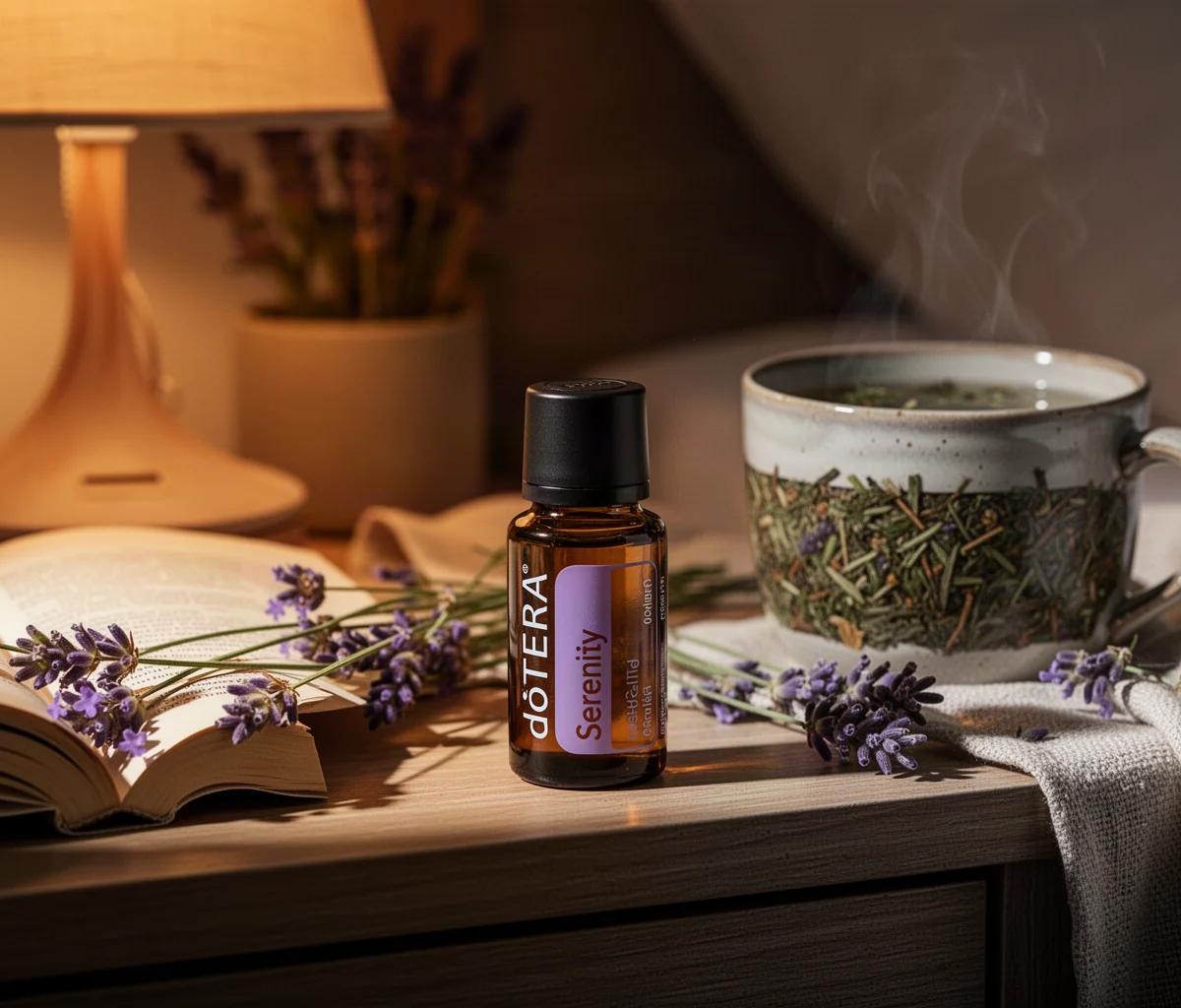
If you are lying awake at night with your mind racing, or feeling that familiar tightness in your chest during the day, you are not alone. Many of us are looking for gentle ways to unwind without relying on heavy medications. Essential oils have been used for centuries to support relaxation, and modern research is starting to catch up with what our grandparents always knew. This guide is your friendly roadmap to understanding how these potent plant extracts can help you find more calm and sleep more deeply. We will walk through everything from choosing the right oil for your specific needs to creating simple bedtime rituals that actually stick.
Understanding How Essential Oils Work for Sleep and Anxiety
Essential oils work primarily through your sense of smell, but it is more than just a pleasant scent. When you inhale aromatic molecules, they travel directly to the limbic system, the part of your brain that handles emotions, memories, and arousal. This is why a certain smell can instantly transport you back to a childhood memory or make you feel more grounded. For stress, compounds in oils like linalool and limonene interact with brain receptors that influence your nervous system, helping to reduce the production of stress hormones. Over time, the right oils can train your brain to associate certain scents with rest, creating a powerful conditioned response.
The key is consistency. Your brain learns through repetition, so using the same oil blend before bed each night signals to your body that it is time to power down. This is different from a quick fix; it is about building a calm ritual. For a deep dive into which specific oils are most effective, you can explore the science behind the best essential oils for sleep and relaxation. Understanding the mechanism helps you use them more effectively, because you realize you are working with your biology, not just covering up a smell.
Choosing Your Essential Oils for Stress Relief
Not all oils are created equal when it comes to unwinding. Some are sedating, while others are more balancing. The goal is to find what your body responds to best. Lavender is the rock star of this category, known for its versatility and gentle nature. It works wonders for both anxiety and sleep because it helps slow down the nervous system. If you want to understand why this purple flower is so special, read about lavender oil benefits for sleep and calm. It is a great starting point for beginners.
Beyond lavender, you have a few other heavy hitters. Cedarwood has a warm, woody scent that is deeply grounding and helps promote feelings of security. It is excellent for those who feel restless at night. You can learn more about its specific properties in this piece on cedarwood oil for sleep and relaxation. For daytime stress, you might look for oils like bergamot or frankincense. These are less about sedation and more about lifting your mood while calming your mind. For a broader look at your options, you might want to check the best essential oils for stress relief to see which profiles resonate with you.
Matching Oils to Your Specific Sleep Needs
There is no single "right" oil for sleep because insomnia has different flavors. Are you unable to fall asleep because your mind is spinning? Or do you fall asleep fine but wake up at 3 a.m. and can't get back to sleep? For falling asleep, you want oils that are quick-acting and calming, like lavender or sweet marjoram. For terminal wakefulness (waking up too early), you might benefit from heavier, more grounding oils like vetiver or sandalwood. Take a look at the best essential oils for sleep and anxiety relief for a comparison of how different oils target different symptoms.
If stress is the root cause of your poor sleep, you need to address that directly. Often, the same anxiety that keeps you wired during the day will keep you up at night. In this case, focus on oils that are both calming and anxiolytic. The list of the best essential oils for anxiety relief offers great insight. Also, consider that your environment matters. If you struggle to detach from work, using a diffuser with a bright, citrusy oil during the day and switching to a calming blend at night can help your brain create a stronger contrast between "alert" and "rest."
Building Your Evening Wind-Down Routine
Using oils randomly won't give you the best results. You need a routine. Start about 30 to 45 minutes before you want to be asleep. Turn off the bright screens, dim the lights, and start your diffuser. This is your body's cue that the day is over. A popular method is to add a few drops of your chosen sleep oil to a warm bath with Epsom salts. The heat helps relax muscles, and the steam carries the aroma right to your brain. Alternatively, you can apply a diluted oil blend to your pulse points like your wrists and neck. If you are following a specific brand, you might find guidance on application methods, like this resource on how to use doTERRA lavender oil for sleep.
Your routine should include a way to stop the mental chatter. Pair your aromatherapy with a simple breathing exercise. Inhale for four counts, hold for seven, and exhale for eight. This activates your parasympathetic nervous system, which is responsible for rest and digestion. Combining this breathing with a calming scent creates a powerful relaxation response. For more ideas on how to structure this part of your evening, the tips in natural sleep remedies using aromatherapy are a wonderful starting point.
Using Oils for Anxiety During the Day
You don't have to wait until night to use these tools. For midday anxiety, you want something you can carry with you. A personal inhaler or a rollerball blend is perfect for this. When you feel that wave of panic, simply inhale the aroma deeply. Oils like bergamot, Roman chamomile, and ylang-ylang are excellent for reducing the feelings of panic and overwhelm. They help lower your heart rate and bring you back to the present moment. You can find a great list of options for in-the-moment support in best essential oils for anxiety, natural support for calm and balance.
Creating a calming environment at home is also crucial, especially if you work from home. Instead of using an energizing candle, diffuse a grounding blend while you work to keep your stress levels from spiking. If your home feels like a high-stress zone, you might benefit from the strategies outlined in essential oils for stress relief at home. Making a small change to your surroundings can have a big impact on your emotional state.
How to Use Essential Oils Safely and Effectively
Safety is your number one priority. Essential oils are highly concentrated and must be treated with respect. Never apply undiluted oil directly to your skin. Always mix them with a carrier oil, like jojoba, coconut, or sweet almond oil. A typical dilution is 3 to 5 drops of essential oil per 1 tablespoon of carrier oil. For sensitive skin, start with even less. Also, keep oils away from your eyes, ears, and any open wounds. If you are pregnant, nursing, or have a medical condition, check with your doctor before using them. Cats and some dog breeds are also very sensitive to certain oils, so always diffuse in a well-ventilated area that your pets can leave freely.
Patience is also key. Aromatherapy is not typically an instant cure. You may need to use your chosen oil for a week or two before you see significant changes. Keep a journal to note which scents work best for you. If you are using a specific brand, it is helpful to understand their product lines. For instance, if you are looking at a specific system, you might want to check the best doTERRA oils for sleep and anxiety to see which ones are recommended for your needs.
Diffusing, Bathing, and Blending for Better Sleep
The most popular way to use oils is a diffuser. This device disperses a fine mist of oil into the air, letting you breathe it in easily. Add 5-7 drops of oil to your diffuser about 20 minutes before bed. Turn it off when you get into bed, or keep it running on a timer if you prefer. You should not leave it on all night as this can overstimulate your senses. You can also make a linen spray by mixing water and a few drops of oil. Mist your pillows and sheets before you get in. This is very effective because you are literally breathing in the calming scent as you sleep. For more targeted ideas, this guide on essential oils for better sleep quality naturally offers great advice.
Blending oils can create a more complex and effective aromatherapy experience. Start with a base note (like cedarwood or sandalwood), a middle note (like lavender), and a top note (like bergamot). This gives you a balanced scent that lingers. A simple recipe is 3 drops of lavender, 2 drops of cedarwood, and 1 drop of chamomile. Experiment with the ratios to find what you love. For a comprehensive list of recipes and oils, check out the best essential oils for sleep and restful nights for more inspiration.
Key Oils You Should Always Have on Hand
If you are new to this, building your collection can feel overwhelming. Start with a few versatile staples. Lavender is non-negotiable; it handles both stress and sleep beautifully. A specific guide on lavender oil for anxiety and calm support will show you why it is the best first purchase. Next, get a grounding oil like Cedarwood or Vetiver. Finally, consider a citrus oil for daytime stress like Bergamot or Sweet Orange. Having these three types means you can cover most scenarios you will face.
Quality matters. Look for oils that are 100% pure and have been tested by third-party labs. The "therapeutic grade" label is mostly marketing jargon, so rely on reputation and transparency. You can also buy sets, which are often a good value. If you are curious about a premium brand, you might want to review the options for doTERRA essential oils for sleep & restful nights to see what is included in their sleep kits.
Bringing It All Together for Restful Nights and Calmer Days
Your journey with essential oils is personal. What works for your friend might not work for you. The beauty of this practice is that it encourages you to slow down, listen to your body, and pay attention to your senses. Start small. Pick one oil, one method (like a diffuser or a rollerball), and one time of day to practice. Commit to that for two weeks. You will likely notice subtle shifts in your sleep latency and your mood. To get started, you can look at the best essential oils for sleep and deep rest list to pick your first bottle.
Remember that essential oils are a supportive tool, not a replacement for professional medical advice. If you are suffering from chronic insomnia or severe anxiety, please speak with a healthcare provider. But for the everyday stress of life, these natural aromas can be a truly wonderful ally. They help you create a safe, calming space for yourself. For a final overview on how to pair your top choices, the best essential oils for sleep resource is a great place to bookmark.
FAQ
Which essential oil is the absolute best for sleep? Lavender is the most well-studied and widely recommended for sleep. It helps reduce heart rate and promote relaxation. However, individual responses vary, so oils like cedarwood or chamomile may work better for you. It is worth trying a few to see which one your body responds to best.
Can I put essential oils directly on my skin? No, you should never apply undiluted essential oils directly to your skin. They are highly concentrated and can cause irritation or burns. Always mix them with a carrier oil like coconut, jojoba, or sweet almond oil before applying. A general rule of thumb is 3-5 drops per tablespoon of carrier oil.
How long does it take for aromatherapy to work? It is not instant. You may feel a quick mood boost from the scent, but for significant sleep and anxiety support, consistency is key. Use your chosen oil nightly for at least two weeks to build a conditioned response in your brain. Journaling your sleep quality can help you track progress.
Are essential oils safe for pets? Many essential oils are toxic to cats and dogs, so you must be careful. Cats lack the enzymes to metabolize many oils, especially citrus and tea tree. Always diffuse in a well-ventilated room your pet can choose to leave, and never apply oils to your pet's skin. Consult your veterinarian for specific advice.