Best Essential Oils for Deep, Restful Sleep
Discover the best essential oils for sleep and relaxation. Learn how Lavender, Serenity, and Vetiver can transform your bedtime routine into a calming nightly ritual.
By Essential Synergy Team — Wellness Advocates & doTERRA enthusiasts
It's 11 p.m., you're physically tired, but your mind is still scrolling through tomorrow's to-do list. You finally drift off only to wake up at 3 a.m. staring at the ceiling. If this sounds familiar, you're not alone, and it's precisely why so many people are turning to aromatherapy to gently signal the body that it's time to wind down.
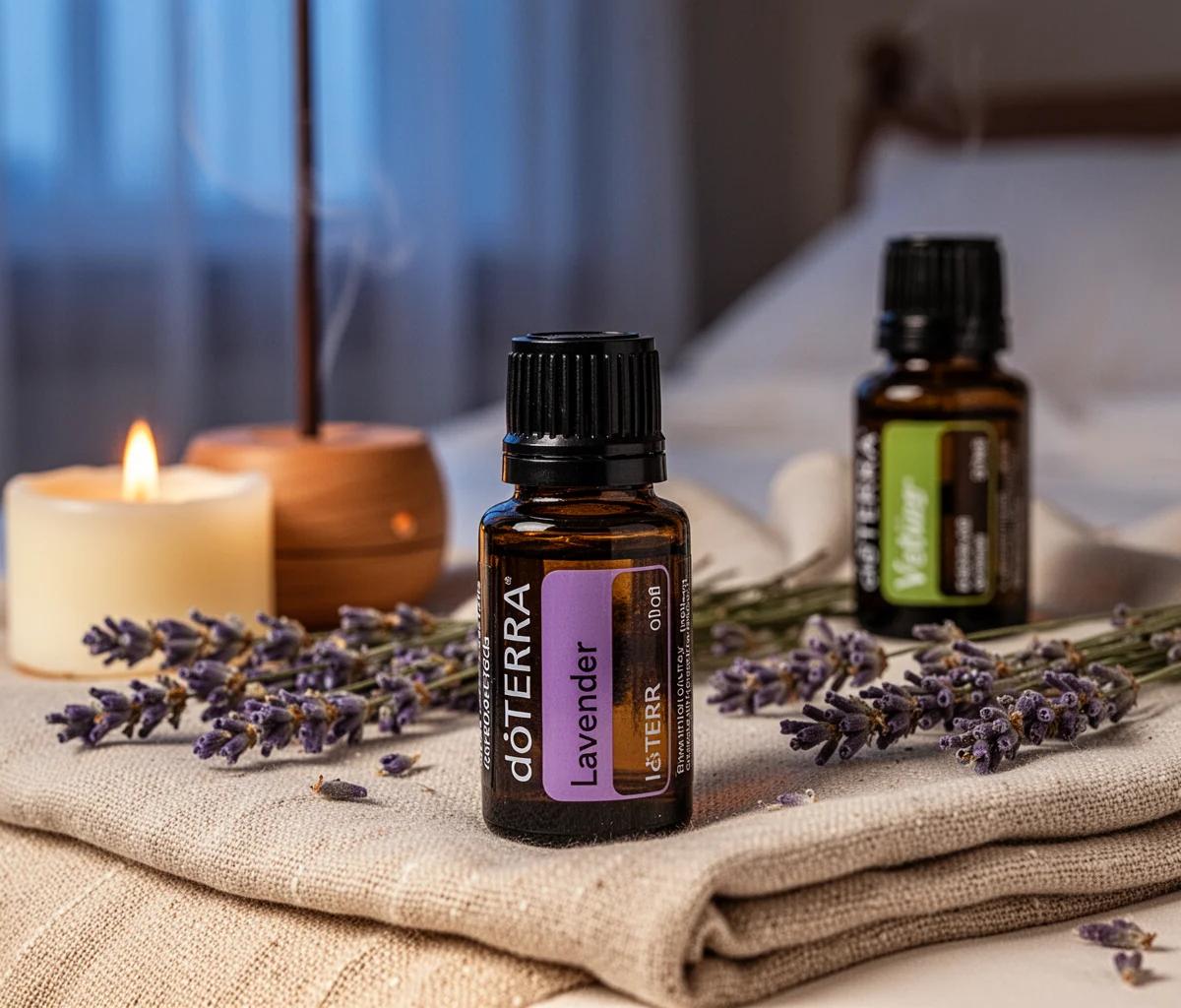
The best essential oils for sleep and relaxation work by creating a sensory environment that supports the body's natural wind-down process. Instead of forcing rest, oils like Lavender, Vetiver, and doTERRA's Serenity blend help quiet mental chatter and ease physical tension. You can use them aromatically in a diffuser, apply them topically (diluted) to pulse points, or add them to a warm evening bath. In our experience, the most reliable approach combines a consistent nightly ritual with oils selected for their specific calming properties, creating a powerful cue that tells your nervous system it's safe to let go.
Why Aromatherapy Works for Bedtime
Our sense of smell is uniquely wired to the brain's emotional and memory centers. Research published by the National Institutes of Health suggests that inhaled aromatic compounds can influence mood and relaxation pathways through the limbic system. When you inhale a familiar, calming scent each night, your brain begins to associate that aroma with sleep, making it easier to transition from the day's activity into restful stillness. Unlike screens or stimulants that disrupt your natural rhythm, pure essential oils offer a tactile, grounding experience that prepares your environment for deep rest.
Top Essential Oils for Sleep: A Comparison
Choosing the right oil often depends on the specific reason you're struggling to settle down. The table below breaks down five of the most effective options, their primary benefits, and the best ways to use them.
| Essential Oil | Best For | Key Aromatic Note | Ideal Application Method |
|---|---|---|---|
| Lavender | General restlessness, mild tension | Floral, herbaceous | Diffusion or pillow mist |
| Vetiver | Overthinking, feeling ungrounded | Earthy, woody, deep | Foot massage (diluted) |
| Serenity Blend | Restless sleep, creating a calm atmosphere | Warm, floral, comforting | Diffusion or roll-on application |
| Roman Chamomile | Physical tightness, feeling wound-up | Sweet, apple-like, soothing | Massage or aromatic bath |
| Balance | Stress that spills into nighttime | Woody, fresh, centering | Soles of feet or pulse points |
What we recommend most often for those new to sleep aromatherapy is starting with a single oil like Lavender before moving to a complex blend. Lavender is widely considered the classic starting point because of its gentle, universally liked scent. If you find your mind is still racing, Vetiver can be a profound addition due to its deeply centering aroma.
Building a 3-Step Relaxing Bedtime Routine
Consistency is the secret ingredient that makes essential oils effective for sleep. It's not just what you use, but how and when you use it. Here is a simple, replicable routine that takes less than 10 minutes:
Prepare Your Space (30 Minutes Before Bed): Add 3-4 drops of the doTERRA Serenity blend to your diffuser and run it for 30 minutes in your bedroom before you intend to sleep. This preps the atmosphere so the room smells calm when you walk in, rather than diffusing it right at lights-out.
Apply a Topical "Sleep Balm": Dilute 1-2 drops of Vetiver or Roman Chamomile with a teaspoon of fractionated coconut oil. Massage it into the soles of your feet or the back of your neck. The physical act of massage combined with the slow-evaporating oil creates a grounding sensation that pulls attention away from a busy mind.
Practice Passive Inhalation: If you wake up in the middle of the night, resist reaching for your phone. Instead, keep a personal inhaler or an open bottle of doTERRA Peace on your nightstand. Take three slow, deep breaths while focusing on the rising and falling of your chest. The familiar scent helps signal that it is still time for rest, not problem-solving.
Other Powerful Oils to Consider
While floral and woody oils are the most popular choices, we shouldn't overlook citrus oils for calming the mind. Although Wild Orange is often associated with energy, its ability to lift a heavy mood can be instrumental in reducing emotional tension before bed. Similarly, Bergamot is a unique citrus fruit that many find simultaneously uplifting and calming. It's a favorite for diffusing during the early evening to transition from work mode to relaxation mode.
For those who prefer pre-diluted application, the doTERRA Touch line offers roll-ons that make topical use effortless. The Serenity Touch blend, for instance, is perfectly diluted in a base of fractionated coconut oil and can be rolled directly onto wrists and temples without any mixing required. You can also explore Cedarwood, which is known for promoting a serene environment and can help create a sense of security and grounding. The key is to rotate or combine oils until you find a signature scent that your brain strictly associates with "lights out."
Related reading
- How to Use doTERRA Lavender Oil for Sleep
- doTERRA Essential Oils for Sleep & Restful Nights
- Best Essential Oils for Sleep and Restful Nights
Frequently Asked Questions
Can I diffuse essential oils for sleep all night long? While tempting, it's generally better to run your diffuser for 30-60 minutes before sleep and then let it turn off. The olfactory system can become fatigued if a strong scent is present continuously, which makes the relaxation signal less distinct. Setting the diffuser on a timer to stop once you're asleep is the healthiest balance.
Is it safe to apply essential oils directly to my skin before bed? You should always dilute essential oils with a carrier oil like fractionated coconut or jojoba oil before topical application, especially on sensitive areas like the neck and face. The soles of the feet are less sensitive and a great place to apply diluted oils, as the skin is thicker there and the aroma rises as you sleep.
What if Lavender doesn't work for me? Scent preference is deeply personal. If Lavender isn't a match for your senses, you might prefer the crisp, woody notes of Vetiver or the sweet, earthy scent of Roman Chamomile. Blends like doTERRA Serenity offer a complex aroma that often pleases those who don't enjoy single-floral oils.
Can I use these oils for my child's bedtime routine? Aromatic use through diffusion is generally a gentle entry point for children, but it requires careful adjustment. Use only 1-2 drops of a very gentle oil like Lavender in a well-ventilated room, and diffuse for a shorter period. Always consult your pediatrician and refer to specific age-related dilution guidelines before topical application.
How do I choose between a single oil and a blend? Single oils give you a pure, isolated aromatic experience, which is great for learning what you like. Blends, on the other hand, combine multiple notes to create a symphony of scents that often feels more complete and nuanced. If you're feeling mentally scattered, a blend like doTERRA Balance might address multiple layers of stress more effectively than a single note.
Creating Your Sleep Sanctuary
The journey to better rest isn't about finding a "magic" sedative, it's about crafting a nightly ritual that your senses learn to trust. By integrating pure essential oils into a consistent practice, you're not just masking stress; you're actively coaching your body back to a state of ease where natural, restorative sleep can take over again.
This content is for general information only and is not medical advice. Essential oils are not intended to diagnose, treat, cure, or prevent any disease; consult a qualified healthcare professional before use.
Explore doTERRA essential oils