Best Essential Oils for Sleep and Calm: A Bedtime Routine
Struggling to unwind at night? Discover the best essential oils for sleep and anxiety, how to use them safely, and which doTERRA blends work fastest.
By Essential Synergy Team — Wellness Advocates & doTERRA enthusiasts
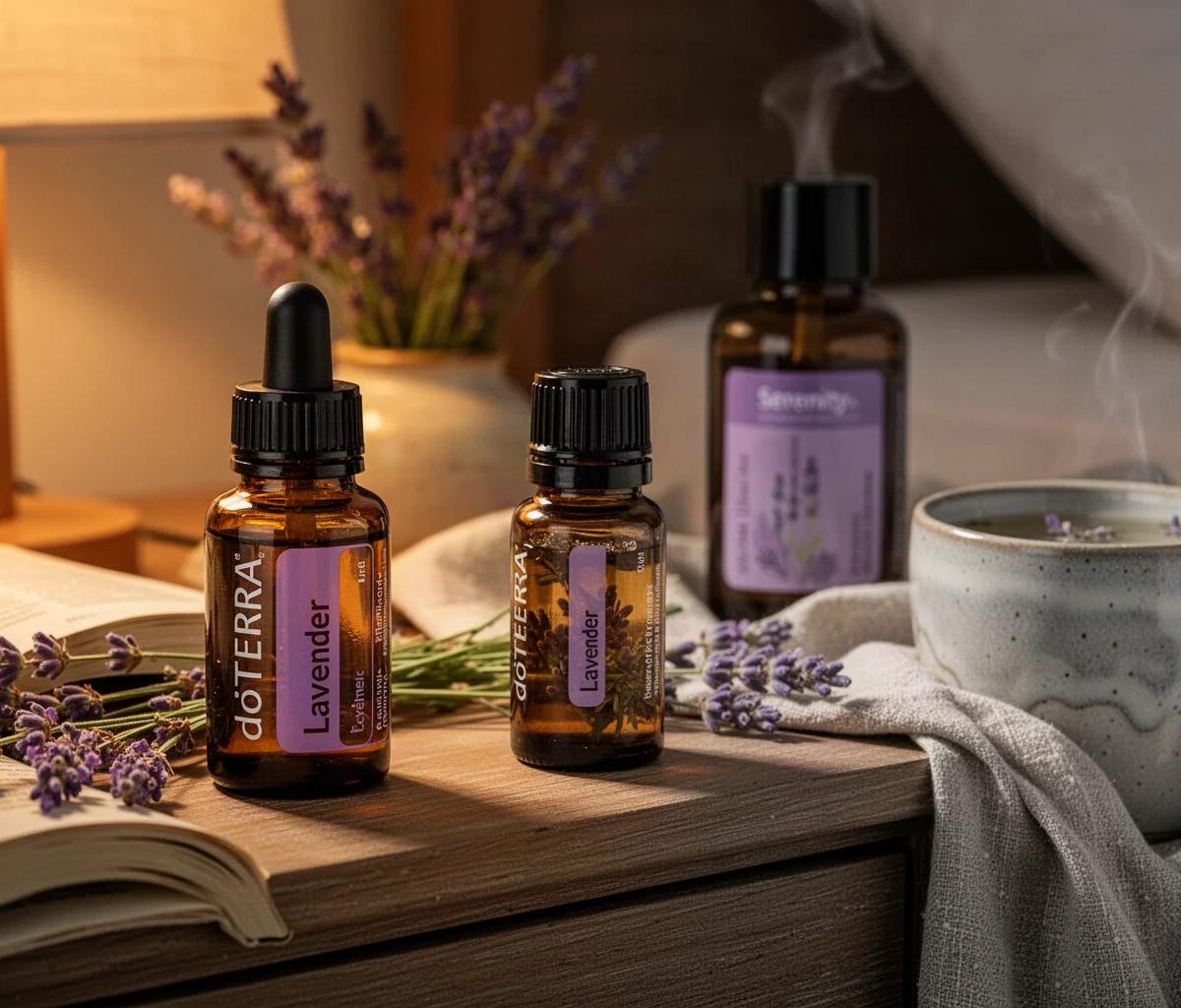
Your alarm goes off in six hours and you are still staring at the ceiling, replaying tomorrow's meeting in your head. If that sounds familiar, a small bottle on your nightstand might help more than you expect. The best essential oils for sleep and anxiety work by engaging your sense of smell, which connects directly to the parts of the brain that regulate mood and relaxation. Oils like Lavender, Serenity, and Balance are popular for evening use because their aromas create an environment that feels calm and safe. You can diffuse them, apply them diluted to your wrists or the back of your neck, or add a few drops to a warm foot bath before bed. The goal is not to sedate you but to help your nervous system settle so natural sleepiness can take over. For daytime anxiety, the approach shifts slightly: you want oils that feel steadying without making you drowsy. The key is matching the right oil to the right moment and building a simple routine you will actually repeat.
Top Oils for Deep, Restful Sleep
Some oils are better suited to winding down at night, either because their aroma feels heavy and floral or because they are blended specifically with restful oils.
- Lavender: The first oil most people try for sleep, and for good reason. Its floral, herbaceous scent is soft and familiar. A drop on the pillow or inside the collar of a pajama shirt is an easy starting point.
- Vetiver: Earthy, smoky, and deeply grounding. Vetiver is a favorite for people whose minds race at night. It blends beautifully with lavender.
- Roman Chamomile: Gentle and apple-sweet, this oil is a classic choice for children's bedtime routines and for adults who prefer a lighter aroma.
- Cedarwood: Warm and woodsy, Cedarwood promotes a cozy atmosphere that feels secure. It pairs well with citrus oils if you want to soften its heaviness.
Oils for Calming a Busy Mind During the Day
Daytime anxiety support looks different. You need something that helps you feel composed in the moment, whether you are about to give a presentation or dealing with a tense conversation.
- Balance: This blend of spruce, frankincense, and blue tansy has an earthy, sweet aroma that feels like a deep breath. Roll a diluted drop onto your wrists and inhale slowly.
- Adaptiv: Designed for moments that feel overwhelming, Adaptiv combines floral and citrus notes to help you feel more centered. It is a good office-drawer oil.
- Wild Orange: Bright and cheerful without being sharp, Wild Orange is an uplifting oil that can shift the tone of a stressful afternoon.
- Bergamot: Citrus with a soft floral edge, Bergamot is the oil many people reach for when they want calm energy rather than stimulation.
Here is a quick comparison to help you choose:
| Situation | Best Single Oil | Best Blend |
|---|---|---|
| Struggling to fall asleep | Lavender | Serenity |
| Waking up at 3 a.m. | Vetiver | Balance |
| Daytime tension | Bergamot | Adaptiv |
| Restless evening energy | Cedarwood | Serenity |
How to Build a Simple Nightly Wind-Down Routine
In our experience, the people who get the most benefit from essential oils are the ones who attach them to an existing habit rather than creating an elaborate ritual. A routine you can do in three minutes beats a 20-minute one you skip.
Related reading
- Best doTERRA Oils for Sleep and Anxiety
- Top Sleep Oils for Deep and Calm Nights
- DoTERRA Essential Oils for Sleep & Restful Nights
Frequently Asked Questions
What are the most commonly used essential oils for relaxation? Lavender, cedarwood, and vetiver are popular choices, but individual preferences vary—always choose scents you personally find calming.
How should I use essential oils to wind down at night? Try diffusing them in your bedroom 30 minutes before bed, or place a drop on a tissue and inhale gently, keeping aromatics away from eyes and skin.
Are there any safety precautions for using essential oils at night? Yes—dilute oils with a carrier oil for direct skin contact, start with a low amount, and stop if irritation or sleep disruption occurs.
This content is for general information only and is not medical advice. Essential oils are not intended to diagnose, treat, cure, or prevent any disease; consult a qualified healthcare professional before use.