Natural Sleep Remedies Using Aromatherapy
Discover natural sleep remedies with aromatherapy. Learn which essential oils promote restful nights and how to create a calming bedtime routine with doTERRA oils.
By Essential Synergy Team — Wellness Advocates & doTERRA enthusiasts
You finally climb into bed after a long day, but your mind keeps replaying every conversation and tomorrow's to-do list. You know sleep is what you need most, yet it feels impossible to reach. If that scene sounds familiar, you are not alone. What we recommend most often in these moments is a simple, gentle aromatherapy routine that signals to your body it is time to wind down. Natural sleep remedies with aromatherapy work by engaging your sense of smell, which connects directly to the brain's limbic system, the area responsible for emotions and relaxation responses. Instead of forcing sleep, the right essential oils create an environment where rest can arrive on its own. This guide walks you through which doTERRA essential oils support restful nights, how to use them safely, and how to build a bedtime ritual that truly helps you drift off.
Why Aromatherapy Supports Natural Sleep
The connection between scent and sleep is not new. For centuries, people have turned to aromatic plants like lavender and chamomile to encourage relaxation before bed. Modern research published by the National Institutes of Health suggests that inhaling certain essential oils may promote feelings of calm and improve overall sleep quality, though individual experiences vary.
Aromatherapy works through olfactory pathways that bypass the thinking brain and reach emotional centers directly. When you inhale a calming oil like Lavender, your body receives sensory cues that it is safe to let go of the day's tension. This makes aromatherapy a practical, non-habit-forming addition to any bedtime routine.
The Best doTERRA Essential Oils for Sleep
Each essential oil offers a slightly different character. Some are floral and soft, others earthy and grounding. Below is a comparison of the doTERRA oils we reach for most often when sleep needs support.
| Essential Oil | Aroma Profile | Best For |
|---|---|---|
| Lavender | Floral, herbaceous, light | General relaxation; winding down after a busy day |
| Roman Chamomile | Sweet, apple-like, warm | Restlessness; creating a peaceful atmosphere |
| Vetiver | Deep, earthy, smoky | Grounding; quieting a racing or busy mind |
| Cedarwood | Warm, woody, balsamic | Promoting a sense of safety and stillness |
| Bergamot | Citrusy, floral, slightly spicy | Easing tension while keeping the mood uplifted |
| Sandalwood | Rich, creamy, soft wood | Deep calm; long evening wind-down rituals |
| Serenity Restful Blend | Soft floral and warm herbal blend | Pre-formulated sleep support in one bottle |
| Balance Grounding Blend | Spruce, frankincense, blue tansy | Feeling centered and steady before sleep |
Serenity deserves special mention because it was designed specifically for restful evenings. Its blend includes Lavender, Cedarwood, and Roman Chamomile oils, making it a convenient choice when you do not want to mix your own combination.
Balance is another favorite. While it is not exclusively a sleep blend, its grounding spruce and frankincense notes help settle a scattered mind, which is often the biggest barrier to falling asleep.
How to Create a Bedtime Aromatherapy Routine
Consistency matters more than complexity. A simple routine done nightly trains your brain to associate those scents with sleep. Here is a step-by-step approach we have found effective.
- Start 30 minutes before bed. Dim the lights in your bedroom and put away screens. This is your transition window.
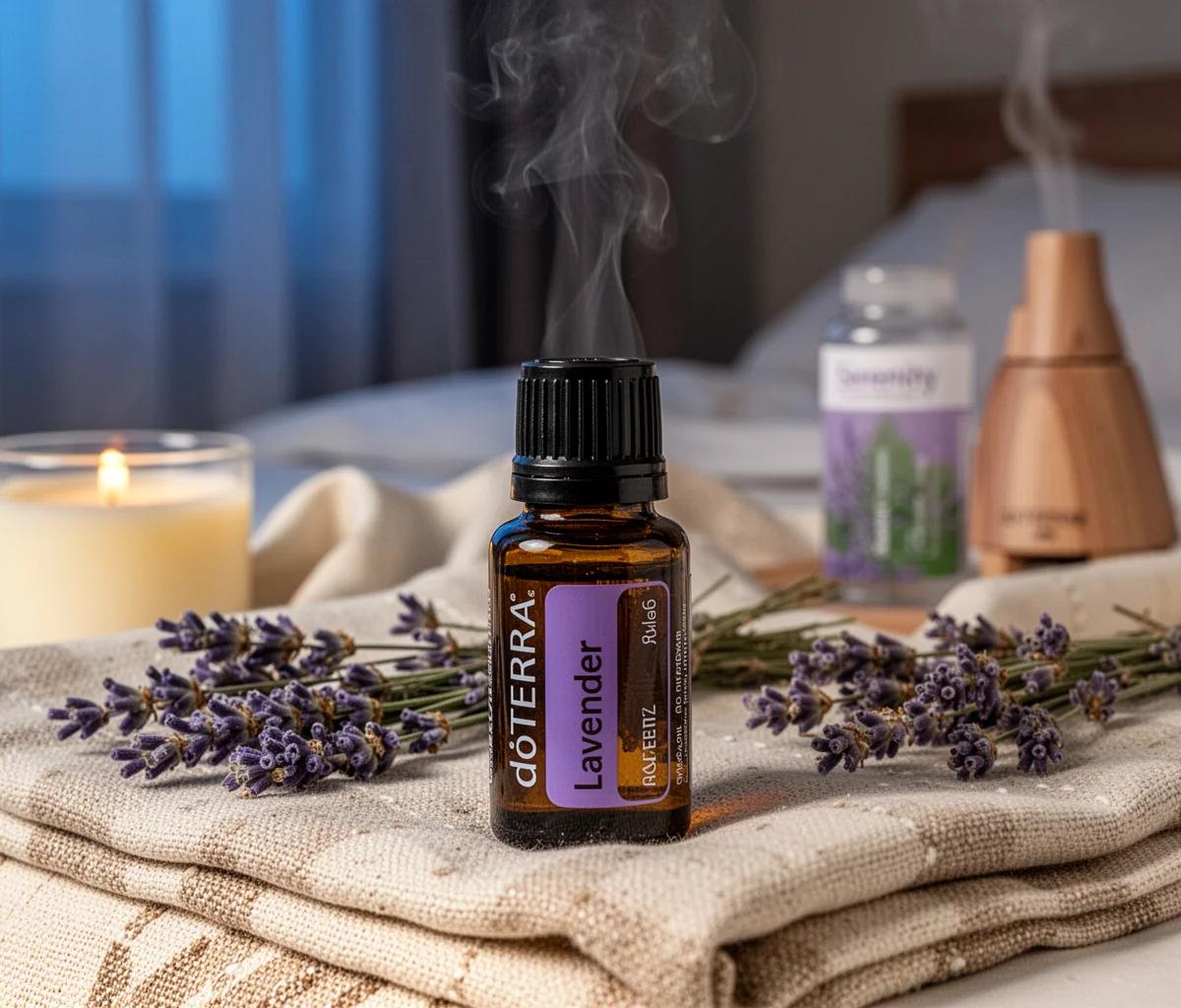
- Diffuse your chosen oil or blend. Add 3 to 5 drops of Lavender or Serenity to a diffuser and let it run for the first hour of sleep. In our experience, a diffuser with an automatic shut-off works best so it does not run all night.
- Apply diluted oils topically. Mix one drop of Vetiver or Cedarwood with a teaspoon of carrier oil, then massage it onto the soles of your feet. The feet absorb oils well and the act of massage is calming on its own.
- Try a pillow mist. Combine 10 drops of Roman Chamomile with two tablespoons of water in a small spray bottle. Lightly mist your pillow before lying down.
- Practice slow breathing. As you settle in, inhale deeply through your nose. Hold for a count of four, then exhale slowly. The oil's aroma reinforces the relaxation your breathwork creates.
For those who prefer a no-diffuser option, Serenity Touch comes pre-diluted in a roller bottle and applies easily to pulse points. (Note: Use the specific Touch version if available; the link above goes to the Serenity oil blend.)
Combining Oils for Deeper Relaxation
Some people respond better to floral oils, while others find woody scents more comforting. Do not hesitate to experiment. A popular combination is one drop of Bergamot with two drops of Cedarwood in the diffuser. The citrus-wood pairing feels both soothing and anchored.
If you find your mind simply will not slow down, Balance applied to the back of the neck before bed can make a noticeable difference. The spruce and frankincense notes are steadying without being sedating.
For more guidance on building a sleep-focused collection, you might explore our article on the best essential oils for sleep and restful nights.
Lifestyle Habits That Enhance Aromatherapy for Sleep
Essential oils work best as part of a broader wind-down routine. Keep your bedroom cool and dark. Avoid caffeine after midday. Try to go to bed and wake up at consistent times, even on weekends. When you pair aromatherapy with these habits, the oils act as a gentle cue that reinforces what your body already knows how to do: sleep.
Related reading
- How to Use doTERRA Lavender Oil for Sleep
- DoTERRA Essential Oils for Sleep & Restful Nights
- Natural Sleep Remedies With Aromatherapy
FAQ
How quickly do essential oils work for sleep? The aromatic effect begins within seconds of inhalation, though the full relaxing sensation builds over 15 to 30 minutes. Consistency across multiple nights tends to produce the most noticeable results.
Can I apply essential oils directly to my skin before bed? Most essential oils should be diluted with a carrier oil like fractionated coconut oil before topical use. A common ratio is one drop of essential oil per teaspoon of carrier oil.
Which doTERRA oil is best for someone who dislikes floral scents? Vetiver, Cedarwood, and Sandalwood offer earthy, woody aromas that many people find grounding. Balance blend is another non-floral option worth trying.
Is it safe to diffuse essential oils all night? We recommend diffusing for the first hour of sleep using a diffuser with an automatic shut-off. Prolonged exposure is unnecessary and may lead to olfactory fatigue.
How many drops should I put in my diffuser? Start with three to five drops total. You can adjust upward if you have a large room or downward if the aroma feels too strong.
Conclusion
Natural sleep remedies with aromatherapy offer a gentle, sensory-based way to support rest without complicated protocols. By choosing calming oils like Lavender, Vetiver, and Serenity, and using them consistently in a simple bedtime routine, you create an environment where sleep comes more easily. The key is patience and personal exploration: find the scents and rituals that feel most comforting to you, and let them become a cherished part of your evening.
Explore doTERRA essential oils
This content is for general information only and is not medical advice. Essential oils are not intended to diagnose, treat, cure, or prevent any disease; consult a qualified healthcare professional before use.