Essential Oils for Stress Relief at Home
Discover the best essential oils for stress relief and learn simple aromatherapy techniques to create calm at home. Practical tips and doTERRA recommendations.
By Essential Synergy Team — Wellness Advocates & doTERRA enthusiasts
You know that moment when your shoulders are up by your ears, your jaw is tight, and a deadline is looming. The question is, can something as simple as a scent actually help melt that tension away? The direct answer is yes. Essential oils, distilled from plants, offer a practical and immediate way to ease daily stress. Their aromatic molecules interact directly with your limbic system, the emotional center of the brain, influencing your mood and creating a sense of calm within seconds. In our experience, combining high-quality oils like Lavender with simple routines like deep breathing or a warm bath creates a powerful signal to your body that it is time to relax. While they won't eliminate the source of your stress, they are an invaluable tool for managing your response to it, helping you navigate a chaotic afternoon feeling more centered and in control.
Why Aromatherapy Works for a Calm Mind
The science behind aromatherapy is wonderfully straightforward. When you inhale an essential oil, microscopic particles travel through your nasal passages and trigger sensory receptors connected to the limbic system. This part of your brain is responsible for processing emotions, memories, and regulating the autonomic nervous system. Research published on the National Institutes of Health website suggests that certain volatile compounds in oils can influence mood by promoting feelings of relaxation and well-being. This isn't about masking a problem; it’s about giving your brain a direct, soothing sensory input that can gently shift you from a stressed state to a more balanced one. This connection is why a single drop of oil on your palms, cupped over your nose, can seem to change the entire atmosphere of a room in seconds.
Top 5 Essential Oils for Stress Relief
Choosing the right oil is a personal journey, but some are renowned for their calming abilities. Here are the five we turn to most often when life feels overwhelming.
| Oil | Key Strength | Best Used For |
|---|---|---|
| Lavender | Ultimate all-purpose calmer | Quieting a racing mind, preparing for sleep, general relaxation |
| Frankincense | Grounding and centering | Deepening meditation, finding emotional balance, feeling rooted |
| Bergamot | Uplifting yet soothing | Releasing nervous tension while staying positive and alert |
| Clary Sage | Soothing for women | Creating calm during moments of hormonal emotional ups and downs |
| Roman Chamomile | Calming restlessness | Diffusing irritability, promoting a sense of patience and inner peace |
A Closer Look at Each Oil
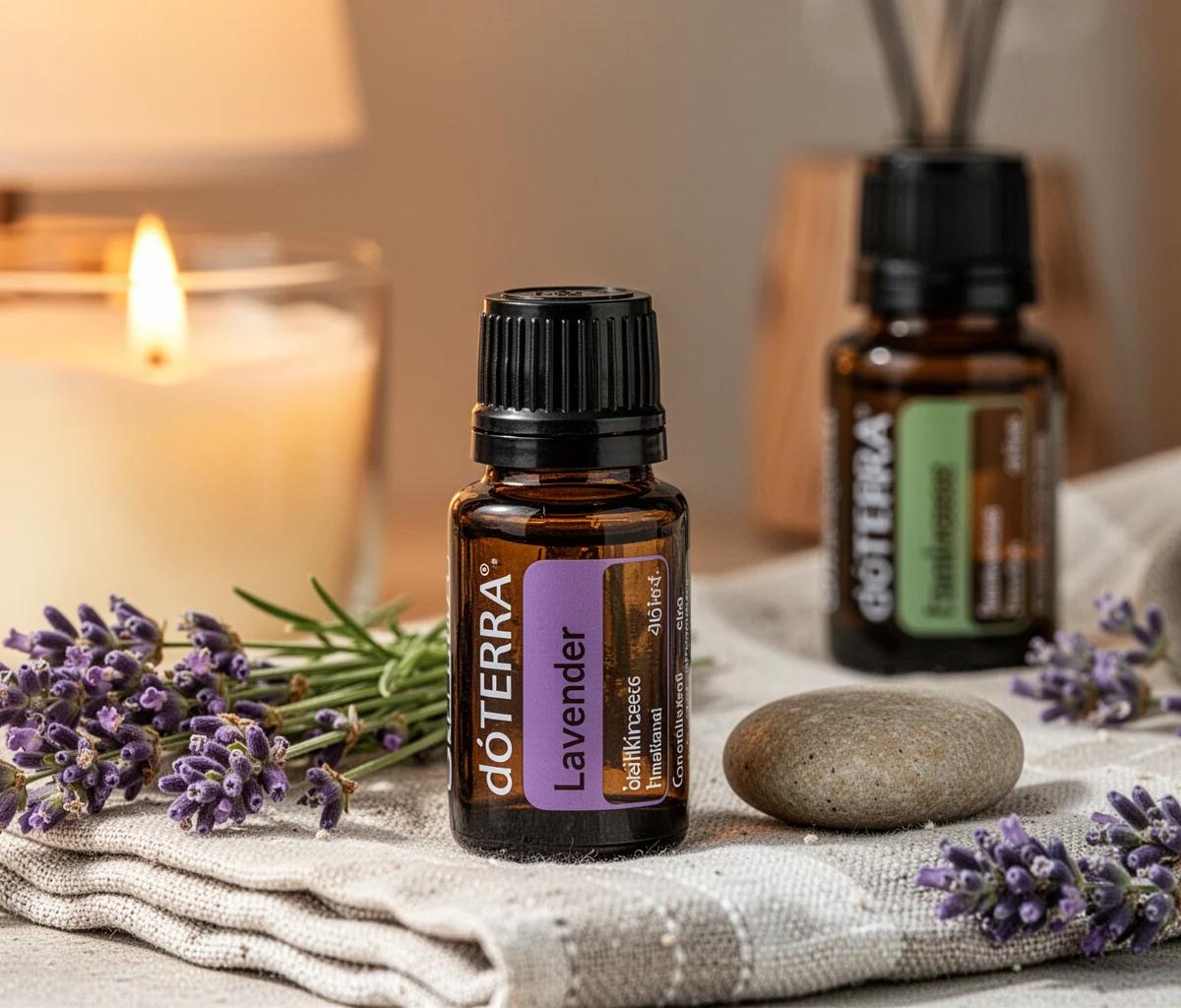
Lavender: This is the cornerstone of stress relief. Its light, floral, herbaceous aroma is universally recognized for its soothing properties. It's gentle enough for a child's bedtime routine and powerful enough for a tense workday.
Frankincense: When stress makes you feel scattered and ungrounded, Frankincense is the anchor. Its rich, warm, spicy-woody scent has been used for centuries to deepen meditation and spiritual connection. It's the oil we choose for quiet moments of reflection.
Bergamot: If your stress is accompanied by a low mood, reach for Bergamot. This citrus oil is unique. It is simultaneously uplifting and calming, making it perfect for when you need to feel less anxious but still focused and positive.
Clary Sage: Known for its ability to create a calming, euphoric atmosphere, Clary Sage is especially supportive during times of emotional sensitivity and stress linked to hormonal cycles. Its warm, herbaceous scent is profoundly relaxing.
Roman Chamomile: With a sweet, apple-like aroma, Roman Chamomile is the oil for restless, irritable stress. It excels at promoting patience, easing tension that manifests as a short temper, and creating a peaceful environment, especially in the evening.
How to Use Oils for Stress: A Simple Daily Routine
Integrating these oils doesn't require grand gestures. You can build a short sequence of small, potent moments of calm throughout your day. What we recommend most often is this 4-step approach:
- Morning Mindset (5 min): Place a drop of Adaptiv touch blend on your wrists and back of the neck before leaving the house to promote a sense of readiness and calm adaptability.
- Midday Reset (3 min): When deadlines mount, pause. Place a single drop of Bergamot in your palms, rub them together gently, cup them over your nose, and take six slow, diaphragmatic breaths. The citrus notes cut through mental fog and lift your mood instantly.
- Evening Wind-Down (10 min): Take a warm Epsom salt bath mixed with 2 drops of Lavender and 2 drops of Frankincense. The warm water relaxes your muscles while the aroma steadies your mind.
- Bedtime Sanctuary (30 min before sleep): Add 3 drops of Serenity blend to your bedside diffuser and let it run for an hour. Its calming floral and vanilla scent is designed to create a restful atmosphere, helping you transition into deep, uninterrupted rest.
Blending Oils for a Custom Calm
Once you are comfortable with single oils, creating a blend can be more powerful than any one oil alone because you can target multiple facets of your stress at once. A great blend often contains a note for calm, a note for grounding, and a note for uplifted mood.
- The Meditation Blend: 2 drops Frankincense, 2 drops Cedarwood, 1 drop Patchouli. This combination is deeply earthy and anchoring, perfect for a seated meditation practice or quiet journaling. It settles a wandering mind and brings you into the present.
- The Sunny Calm Blend: 3 drops Wild Orange, 2 drops Ylang Ylang, 1 drop Vetiver. This is a favorite for quiet weekends at home. The bright, cheerful citrus of Wild Orange is softened by the heavy, floral Ylang Ylang, while a subtle hint of smoky-sweet Vetiver keeps the whole scent profile from feeling too buoyant, creating a calm, contented atmosphere.
Related reading
- Best Essential Oils for Stress Relief
- Best Essential Oils for Anxiety, Natural Support for Calm and Balance
- Best Essential Oils for Anxiety Relief
Frequently Asked Questions
What is the best way to use essential oils for acute stress? For immediate stress relief, direct inhalation is the most effective method. Place a drop of Lavender or Bergamot oil on a tissue or in your palms, cup them loosely over your mouth and nose, and inhale slowly and deeply for 15-30 seconds.
Can I apply essential oils directly to my skin for stress relief? It is always safest to dilute essential oils with a carrier oil, like fractionated coconut oil, before applying to the skin. A 1-2% dilution (1-2 drops of essential oil per teaspoon of carrier oil) is perfect for pulse points like the wrists, behind the ears, and the back of the neck. Balance touch and Serenity touch are pre-diluted for convenient roll-on application.
How do I use a diffuser for a stressful home environment? Add 3-5 drops total of your chosen calming single oil or blend to your diffuser's water reservoir and run it for 30-60 minutes in a common area. For a tense living room, a blend of Citrus Bliss and Balance can transform the emotional energy of the space.
Are essential oils safe to use for stress around children? Yes, but with great care. Many oils are too potent for young children. Gentle, well-researched options like Lavender and Roman Chamomile are generally considered safe when heavily diluted and diffused in open, well-ventilated areas. Always consult a pediatrician before topical use and never diffuse oils like Peppermint or Eucalyptus around infants.
How do I know if my essential oil is high quality enough for aromatherapy? Look for a brand that is transparent about its testing and provides a batch-specific report, like doTERRA’s Certified Pure Tested Grade standard. A pure, unadulterated oil will have a clean, complex scent and will provide a more reliable aromatherapy experience than a synthetic fragrance oil.
Conclusion
Bringing essential oils into your daily life for stress relief is a practice of self-kindness. It’s not about escaping life’s pressures but about equipping yourself with gentle, natural tools to navigate them with more grace and less tension. Choosing a high-quality oil, taking a deep, intentional breath, and giving yourself permission to pause can be the most powerful act of calm in your entire day.
This content is for general information only and is not medical advice. Essential oils are not intended to diagnose, treat, cure, or prevent any disease; consult a qualified healthcare professional before use.