Why Frankincense Oil Works Wonders on Aging Skin
Discover practical ways to use frankincense oil in your skincare routine. Learn about dilution, facial applications, and what makes quality matter.
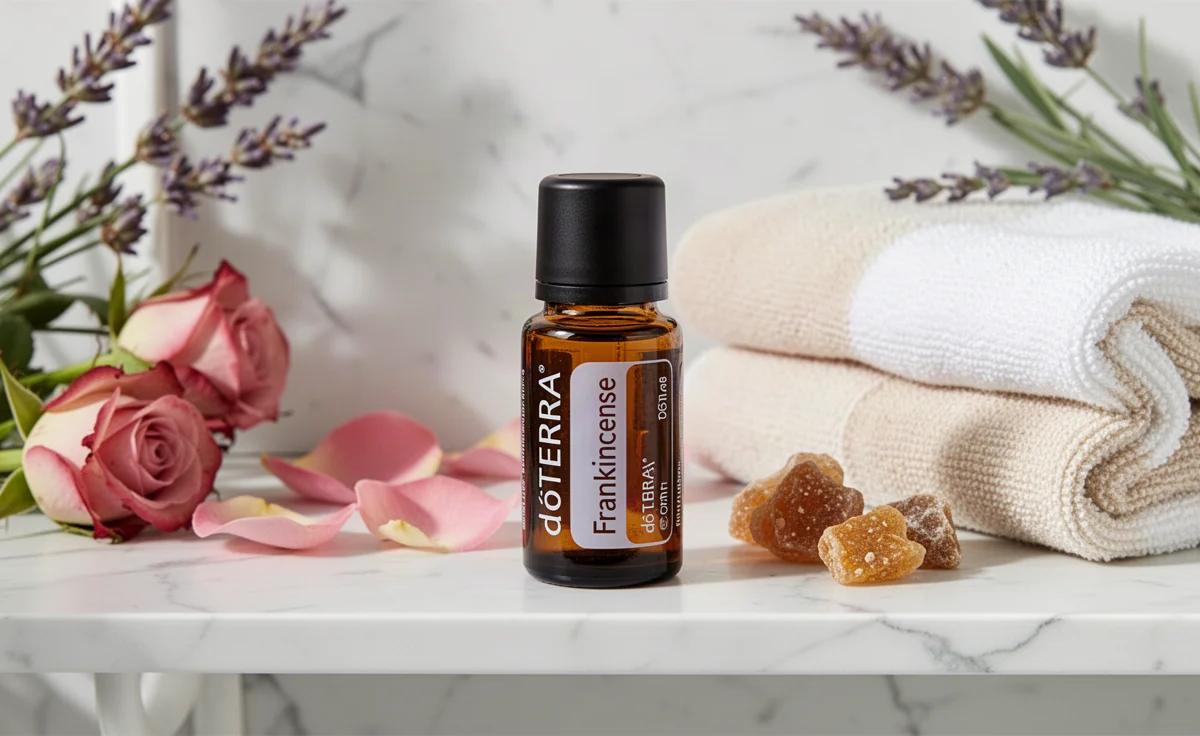
By Essential Synergy Team — Wellness Advocates & doTERRA enthusiasts
You have probably heard someone call frankincense a "miracle" for skin, and maybe you have wondered what that actually means in your daily routine. The honest answer is simpler: frankincense oil brings a grounding, rich botanical profile to skincare, and many people reach for it to keep mature or dry skin looking balanced and comfortable. Its resinous, slightly sweet aroma is beloved, but what makes it useful is how it interacts with a good carrier routine.
The most practical benefit you will notice is how well frankincense pairs with moisturizers and facial oils. It does not replace your moisturizer, since essential oils are not vegetable oils and do not hydrate on their own. Instead, a 1% facial dilution (roughly 1 drop per 5 ml of jojoba or sweet almond oil) can add a calming ritual and a subtle glow. We recommend most often keeping it simple: a drop mixed into an unscented cream, applied at night, never before sun exposure. This approach suits normal, mature, and dry skin types. For reactive skin, always patch test first.
Why Quality Determines Your Results
The most important variable in your experience is the quality of the oil itself. doTERRA's Frankincense oil is one we use regularly because their CPTG testing standard gives us a clear picture of what is in the bottle. Botanical species matters too: Boswellia carterii is the gentle, classic variety for facial use, while Boswellia serrata has a different profile and is often preferred in body blends. Knowing the species prevents a lot of confusion.
Frankincense is a resin oil, which means it is relatively stable compared to citrus oils. It can last for years in dark glass, away from heat and direct light, with the cap closed tightly. That long shelf life makes it a good investment if you plan to use it two or three times per week. In our experience, a 15 ml bottle goes a long way at facial dilution.
How to Add Frankincense to Your Routine
A step-by-step approach removes the guesswork. This is the routine we suggest for a first-time user:
- Choose a carrier that matches your skin. Jojoba on the face (it is a liquid wax, does not clog pores, and resists rancidity), or fractionated coconut oil for body use.
- Prepare a 1% facial dilution: 1 drop of Frankincense per 5 ml of carrier. For body massage in adults, 2% is fine: 2 drops per 5 ml.
- Patch test before the first full application. One diluted drop in the crease of your elbow, wait 24 hours, and check for redness or itching.
- Apply to clean, slightly damp skin at night. Press gently rather than rubbing, and wait a few minutes before adding makeup or going to bed.
- Keep the bottle in a cool, dark place and close the cap immediately after each use.
You can also add 1 drop to a teaspoon of plain unscented cream instead of a liquid carrier. The habit sticks when it feels effortless, and many people enjoy this method most.
Comparing Frankincense to Other Facial Oils
If you already use a couple of essential oils, this comparison helps you decide when to reach for frankincense. These are the ones we find ourselves recommending in different situations:
| Oil | Best For | Facial Dilution | Caution |
|---|---|---|---|
| Frankincense | Mature, balanced and dry skin | 1% | None specific, patch test |
| Lavender | Soothing and calming skin | 1% | None specific, patch test |
| Tea Tree | Localized imperfections | 1%, spot only | Never apply all over the face |
| Geranium | Skin that feels unbalanced | 1% | Patch test, slightly stronger aroma |
| Roman Chamomile | Reactive and sensitive skin | 1% | Rare sensitivity, patch test |
Frankincense stands out among these because it is neither too sharp like Tea Tree, nor too sweet like Geranium. It sits in a comfortable middle: grounding, warm, and easy to blend. That versatility is why it appears in our daily facial routines as often as Lavender does.
For a deeper look at how frankincense works beyond skincare, our article on Frankincense Oil Benefits for Skin and Health covers the broader wellness picture without repeating what is here.
Common Questions About Frankincense and Skin
Can I apply frankincense oil directly to my face?
No. Essential oils are concentrated botanical extracts and should always be diluted before skin contact. For facial use, a 1% dilution (1 drop per 5 ml of carrier) is the standard safe starting point, followed by a patch test.
Does frankincense oil moisturize dry skin?
Not on its own. Essential oils do not contain the fatty acids that hydrate skin. Frankincense works alongside a moisturizer or carrier oil, but the actual hydration comes from your cream, jojoba, or almond oil.
Is frankincense safe for sensitive skin?
At a 1% dilution it is generally well tolerated, but sensitive skin always requires a 24-hour patch test first. Roman Chamomile is another gentle option if frankincense feels too heavy for you.
How often should I use frankincense on my face?
Two to three times per week is enough for most people. Daily use at 1% is acceptable if your skin responds well, but consistency matters more than frequency.
Frankincense earns its reputation through a thoughtful, consistent routine, not through dramatic overnight changes. When you pair it with the right carrier, respect the dilution rules, and choose a quality oil like doTERRA's Frankincense, you get a simple, grounding ritual that feels good and keeps your routine balanced.
*This content is for general information only and is not medical advice.
Explore doTERRA essential oils · Start your doTERRA wellness routine · See the full doTERRA range
Related articles
- Best Essential Oils for Sleep: A Complete Guide
- Essential Oils for Hair Growth Support
- doTERRA Frankincense Oil Review for Aging Skin