doTERRA Frankincense Oil Review for Aging Skin
An honest look at doTERRA Frankincense for mature skin. What it does well, where it falls short, proper dilution, and who should consider it.
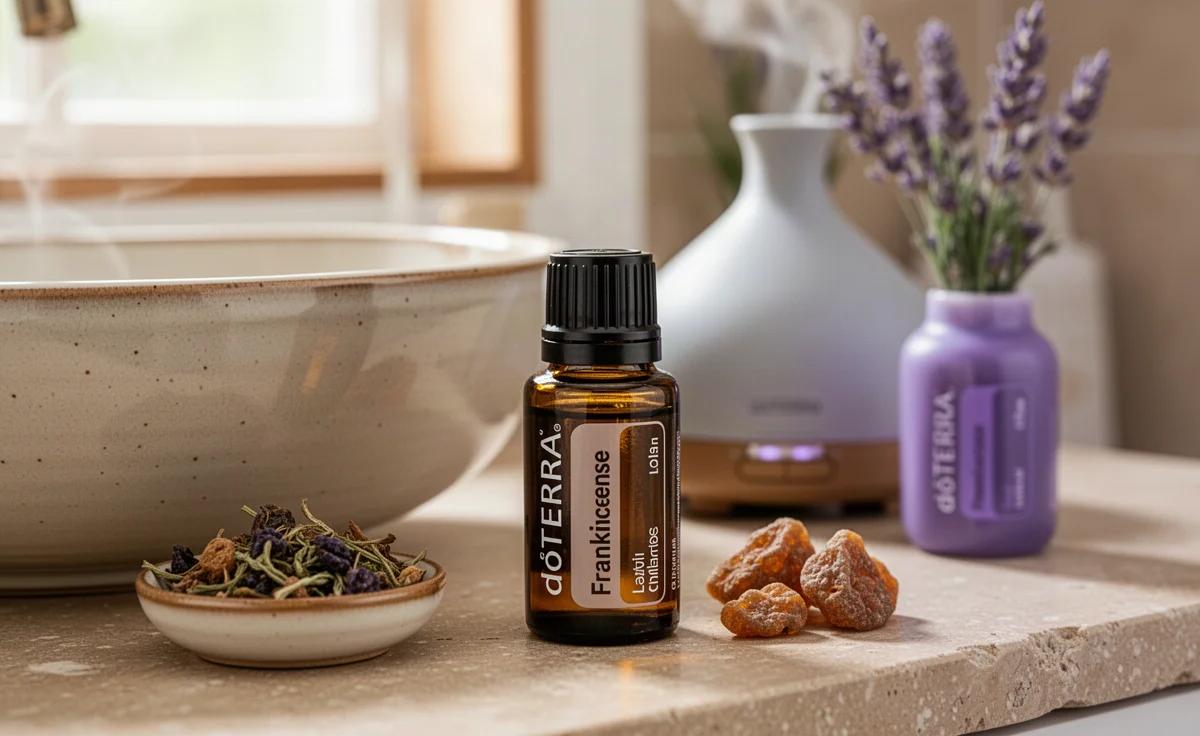
By Essential Synergy Team — Wellness Advocates & doTERRA enthusiasts
You have probably seen frankincense described as the gold standard for mature skin. After looking closely at the composition, how it behaves in a facial routine, and what users consistently report, here is our verdict: yes, it earns a place in a well-formulated skincare rotation, but it is not a standalone moisturizer and it will not replace retinol, SPF, or basic hydration. If you expect a single drop to erase wrinkles, you will be disappointed. If you want a small-batch-quality oil that supports a calm, balanced-looking complexion when diluted correctly, this is one of the few worth the member price.
Our Verdict on doTERRA Frankincense
The resin profile matters more than most people realize, and doTERRA sources Boswellia carterii, the variety most commonly associated with traditional skincare use. The Frankincense oil has a warm, woody, slightly balsamic character that blends well without overwhelming a routine. For skin specifically, the appeal is in its astringent, smoothing qualities, which can help the look of tired or uneven texture.
What we recommend most often is not using it neat. A 1% dilution, roughly one drop per 5 ml of jojoba or another facial carrier, is the right starting point. Jojoba is our preferred carrier on the face because it is technically a liquid wax: it does not oxidize quickly, it feels light, and it will not clog pores the way heavier plant oils can.
Pros
- High purity standard. doTERRA's CPTG process includes batch testing for common adulterants, which matters for a resin oil often cut with cheaper fractions.
- Pleasant, complex aroma. Less sharp than some frankincense oils, which makes it easier to wear during the day.
- Versatile. Works in facial serums, body blends, and even a slow evening diffusion routine.
- A little lasts. A 15 ml bottle at 1% dilution produces a large amount of serum.
Cons
- Not a moisturizer. Essential oils deliver aroma compounds, not fatty acids or humectants. You still need a proper cream or oil-based moisturizer underneath or mixed in.
- Price per ml is high compared with generic frankincense, though member pricing narrows the gap.
- Results are subtle and gradual. Photographs will not change in two weeks; this is about skin that looks calmer and more even over months.
- Resin oils are potent. Undiluted use can irritate, especially around the eyes.
How to Use It in a Routine
- Patch test first. One drop diluted in a teaspoon of carrier oil, placed in the inner elbow, left for 24 hours.
- Build a 1% facial blend. One drop of Frankincense per 5 ml of jojoba. For mature or dry skin, sweet almond oil works and gives a slightly richer finish.
- Apply to damp skin. After cleansing, while the face is still slightly wet, press the blend in rather than rubbing. This helps the carrier lock in surface moisture.
- Layer with your moisturizer. The oil blend goes first, then a small amount of cream on top if your skin needs more.
- Use once daily, ideally at night. No strong reason to apply it twice: the skin does not benefit from double exposure, and less is genuinely more with resin oils.
| Oil | Skin Role | Dilution on Face | Note |
|---|---|---|---|
| Frankincense | Smoothing, astringent | 1% | Best for mature or uneven-looking skin |
| Lavender | Calming, well tolerated | 1% | Good first oil for beginners |
| Tea Tree | Localized on imperfections | Spot only, 1% | Never across the whole face |
| Geranium | Balancing, floral | 1% | Often paired with frankincense |
| Roman Chamomile | Soothing for reactive skin | 1% | Expensive but very gentle |
Frankincense pairs particularly well with geranium in a facial serum, but keep total essential oil concentration at 1% for the whole blend, not per oil. One drop of each in 10 ml of carrier gives you that.
What It Cannot Do
A review that skips the limitations is advertising. Frankincense does not exfoliate, does not stimulate collagen production in any way you should rely on, and does not protect against UV damage. Research published by the National Institutes of Health on botanical extracts suggests certain plant compounds may support skin health, but that is not the same as clinical proof for a specific product outcome. If sun protection and consistent moisturizing are missing from your routine, no essential oil compensates.
Storage also deserves a mention. Resin oils like frankincense are more stable than citrus oils, but they still belong in dark glass away from heat and light. A bottle left on a sunny bathroom shelf will degrade faster.
See Frankincense in the doTERRA shop
Frequently Asked Questions
Is doTERRA frankincense oil suitable for all skin types? Many people choose to dilute it with a carrier oil before applying it to the skin. As with any new product, a patch test on a small area is recommended first.
How do people typically use frankincense oil in a skincare routine? It is often added to a carrier oil or an existing moisturizer and applied to the face. Some also include it in a diffuser as part of a daily routine.
Where can I find more information about doTERRA frankincense oil? Details about sourcing, ingredients, and usage guidelines are available on the official doTERRA website or from a local affiliate.
This content is for general information only and is not medical advice. Essential oils are not intended to diagnose, treat, cure, or prevent any disease; consult a qualified healthcare professional before use.