Using doTERRA Peppermint Oil for Headache Relief
Learn how to use doTERRA Peppermint oil for headaches with safe, effective application methods, DIY blends, and practical tips for natural relief when tension strikes.
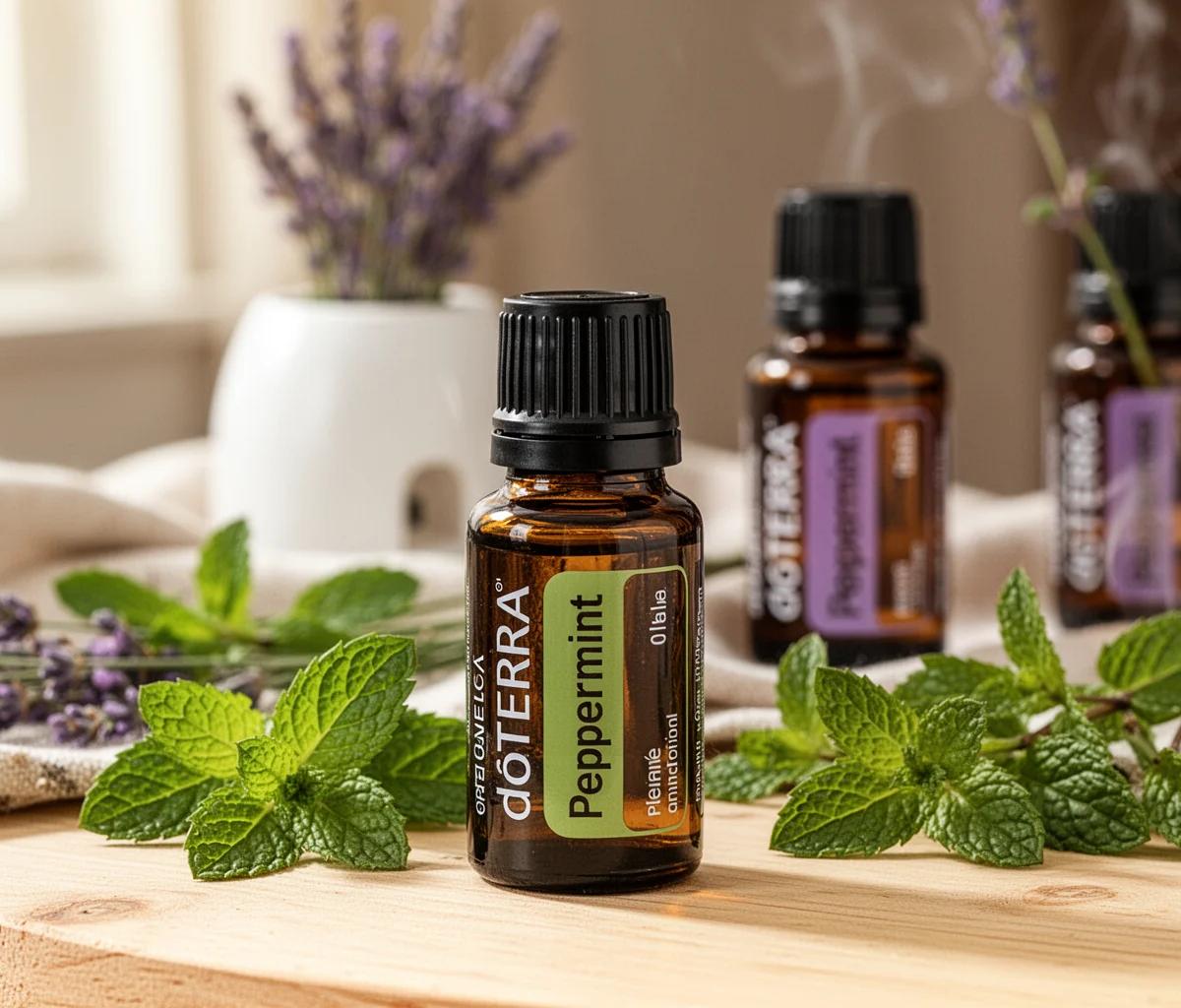
By Essential Synergy Team — Wellness Advocates & doTERRA enthusiasts
You feel that familiar tightness creeping across your forehead after hours staring at a screen, or maybe the dull throb behind your eyes has been building all afternoon. Before reaching for the usual over-the-counter option, you remember a friend mentioning she always keeps a small brown bottle in her desk drawer for moments exactly like this. Here is the practical answer: doTERRA Peppermint oil is widely used as a topical aromatic aid when occasional head tension arises. The cooling sensation from a single drop, properly diluted and applied to the temples, back of the neck, and shoulders, helps create a soothing, refreshing feeling that many people describe as comforting and clearing. You apply it externally and breathe deeply. That is the core method. Below, we walk through the step-by-step process, the best blends, safety precautions, and answers to questions you likely have.
For a broader look at how essential oils can support you during head discomfort, our guide on doTERRA essential oils for headache relief covers several effective options beyond peppermint alone.
How to Apply Peppermint Oil for Tension
Proper application makes all the difference. Peppermint oil is potent, and a little goes a very long way. Follow these steps when you first notice head tension building:
- Dilute one drop of doTERRA Peppermint with one to two drops of a carrier oil. Fractionated coconut oil works beautifully, though jojoba or sweet almond oil are excellent alternatives.
- Perform a small patch test on your inner forearm if you have never used peppermint topically before. Wait a few minutes to confirm no sensitivity appears.
- Apply to targeted areas using your fingertip. The temples are the most common spot, but the back of the neck, behind the earlobes, and across the top of the shoulders are just as effective, especially when tension originates from poor posture or muscle fatigue.
- Avoid the eye area. Peppermint vapors can be intense. Wash your hands immediately after applying and resist touching your face.
- Cup your hands over your nose and mouth and inhale slowly for three to four deep breaths. The aroma itself is part of the experience, adding a crisp, awakening sensation.
In our experience, the people we work with get the best results when they apply peppermint at the very first sign of head tension rather than waiting for it to build. The cooling sensation acts as a pleasant counterpoint to the warmth many people feel when a headache sets in.
Blending Peppermint with Complementary Oils
Peppermint works well on its own, but it pairs beautifully with other oils that target tension from different angles. Here is a quick comparison of three oils that blend particularly well with peppermint for head and neck comfort:
| Oil | Key Quality | Best Paired With Peppermint When... |
|---|---|---|
| Lavender | Calming, soothing aroma | You feel frazzled or overstimulated and want a softer overall scent |
| Frankincense | Grounding, centering | Tension makes you feel scattered and you want a sense of steadiness |
| Deep Blue | Cooling comfort blend | Discomfort extends deep into the neck and shoulders |
A simple blend we recommend often is one drop of Peppermint plus one drop of Lavender in a teaspoon of carrier oil, massaged across the shoulders and the base of the skull. For a more targeted cooling sensation, swap Lavender for Deep Blue and apply only to the neck and upper back, keeping it well away from the face.
The doTERRA Peppermint essential oil guide covers additional daily uses for this versatile oil beyond head tension, from digestive comfort to a mid-afternoon pick-me-up.
Making a Portable Tension Blend
Having a pre-diluted roll-on ready in your bag or car means you can respond quickly wherever you are. Here is a simple recipe for a 10 mL roller bottle:
- Add 5 drops of Peppermint.
- Add 5 drops of Lavender.
- Add 3 drops of Copaiba for additional soothing properties.
- Top off with fractionated coconut oil, leaving a small space at the neck of the bottle.
- Cap, shake gently, and label.
Roll this blend onto the temples and back of the neck, then inhale the scent from your palms. The menthol content in peppermint provides the immediate cooling sensation, while lavender and copaiba round out the experience.
Safety and Precautions
Always dilute peppermint before topical use. The menthol that gives peppermint its cooling character can cause skin sensitivity when applied neat. Keep peppermint away from the eyes, inner ears, and mucous membranes. If you experience any redness or irritation, apply additional carrier oil to the area; water alone will not help.
For those who enjoy peppermint's benefits from the inside, doTERRA offers peppermint beadlets and the option to add a single drop to a vegetable capsule, but that is a separate conversation from topical headache support. DigestZen is the blend specifically formulated for occasional digestive complaints, and it is worth knowing about if stomach unease accompanies your head tension.
If you are pregnant, nursing, or under medical supervision, consult your healthcare provider before using essential oils.
Other Oils That Support Comfort
Peppermint is the star, but a few other oils deserve a mention for occasional head tension. PastTense is doTERRA's proprietary blend formulated specifically for tension. It contains Wintergreen, Lavender, Peppermint, Frankincense, Cilantro, Marjoram, Roman Chamomile, Basil, and Rosemary in a pre-diluted roll-on, making it exceptionally convenient. Breathe helps when sinus pressure contributes to forehead discomfort, and Balance offers a grounding aroma that some find stabilizing during a stressful day.
Research published by the National Institutes of Health suggests that aromatherapy involving peppermint oil is a topic of ongoing interest for those studying natural approaches to tension and comfort, though as always, essential oils are not substitutes for medical treatment.
Related reading
- Peppermint Oil Concentration Guide
- Peppermint Oil for Headaches, Natural Relief Guide
- doTERRA Essential Oils for Headache Relief
Frequently Asked Questions
Can I use peppermint oil undiluted on my temples?
It is not recommended. Peppermint is a potent oil, and applying it neat can cause skin sensitivity, especially on delicate facial areas. Always dilute with a carrier oil first.
How quickly does peppermint oil work for head tension?
Many people notice a cooling, soothing sensation within minutes of applying diluted peppermint and inhaling the aroma, though individual experiences vary. Using it at the earliest sign of tension tends to produce the most noticeable difference.
Is peppermint safe to diffuse during a headache?
Yes, diffusing peppermint is a gentle way to experience its crisp aroma. Add two to three drops to your diffuser and run it for 30 to 45 minutes in a well-ventilated space.
What is the best carrier oil for the temples?
Fractionated coconut oil is a popular choice because it is lightweight, non-greasy, and absorbs quickly, but jojoba and sweet almond oil both work well.
Can peppermint make a headache worse for some people?
While uncommon, some individuals find strong aromatic oils too stimulating when a headache is already severe. If the scent feels overpowering, step away and choose a milder oil such as Lavender or Copaiba instead.
Peppermint oil is a practical, fast-acting tool for the moments when head tension interrupts your day. Dilute it properly, apply it to pulse points and tight muscles, and combine it with other soothing oils to suit the situation. The goal is comfort and clarity, and with a thoughtful approach, peppermint can play a supporting role in helping you get back to feeling like yourself.
This content is for general information only and is not medical advice. Essential oils are not intended to diagnose, treat, cure, or prevent any disease; consult a qualified healthcare professional before use.