Peppermint Oil for Headaches: How to Use It Safely
Discover how peppermint essential oil can ease tension headaches naturally. Learn application techniques, safety tips, and which doTERRA oils work best.
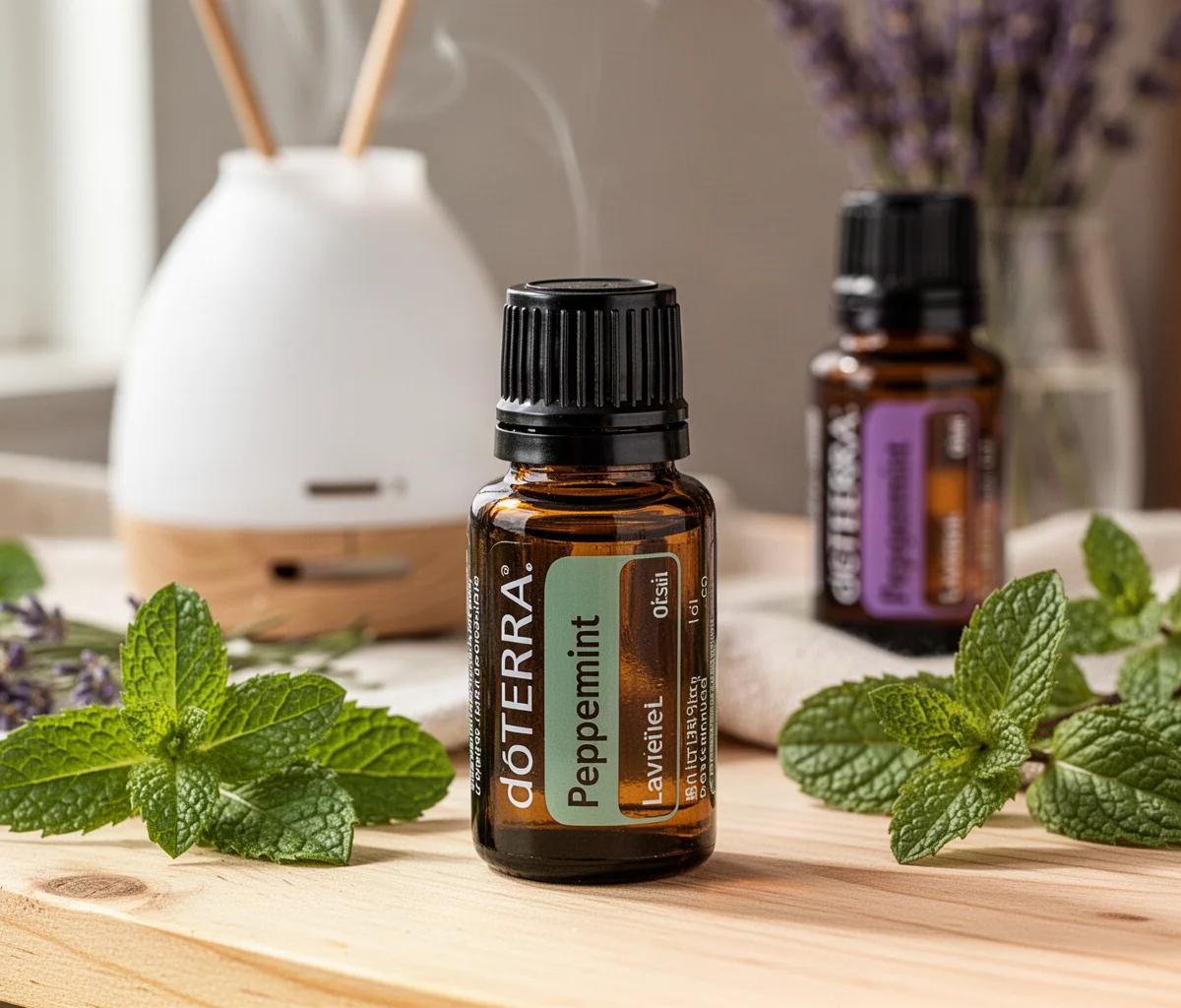
By Essential Synergy Team — Wellness Advocates & doTERRA enthusiasts
You feel that familiar pressure building behind your temples and reach for the medicine cabinet before remembering you wanted something gentler. Peppermint essential oil has become one of the most popular natural options for tension headaches, and for good reason. Applied to the temples and neck, Peppermint delivers a cooling sensation that many people describe as soothing within ten to fifteen minutes. The menthol in peppermint creates a mild numbing effect on the skin while the aroma helps you breathe more deeply, which can ease the muscle tightness often linked to tension-type discomfort. This article covers practical application methods, safety precautions, and complementary oils worth keeping in your wellness cabinet.
Why Peppermint Works for Tension Headaches
Peppermint oil contains naturally occurring menthol and menthone, compounds that produce a cooling sensation when applied to the skin. This sensation can distract your nervous system from the dull ache of a tension headache and encourage the muscles in your forehead and neck to relax. Research published in the National Institutes of Health database has explored topical peppermint application for tension-type headaches, with several small studies reporting favorable participant feedback.
What we recommend most often is pairing peppermint with a slow, intentional breathing routine. The aromatic component matters as much as the topical one. When you inhale peppermint, the sharp, clean scent can help clear mental fog that often accompanies a headache.
How to Apply Peppermint Oil for Headache Support
Follow this step-by-step method for best results:
- Dilute one drop of Peppermint with three to four drops of a carrier oil like fractionated coconut oil or jojoba.
- Dab the mixture onto your index and middle fingertips.
- Massage gently into both temples using small circular motions, avoiding the eye area completely.
- Apply a small amount to the base of your skull where the neck muscles attach.
- Cup your hands over your nose and inhale slowly for thirty seconds.
- Rest in a dim, quiet space for ten to fifteen minutes and notice how the sensation shifts.
Never apply undiluted peppermint oil near your eyes, and wash your hands thoroughly after use. The cooling effect is strong, and accidental contact with mucous membranes can be intensely uncomfortable.
Peppermint vs. Other Oils for Headaches
Different oils serve different aspects of headache support. Here is how they compare:
| Oil | Primary Sensation | Best For | Application |
|---|---|---|---|
| Peppermint | Cooling, sharp | Tension headaches, mental fatigue | Temples, neck, inhalation |
| Lavender | Calming, floral | Stress-related tightness, evening wind-down | Temples, pillow, bath |
| Deep Blue | Warming, soothing | Neck and shoulder tension | Massage blend target areas |
| PastTense | Balanced, aromatic | General head tension, travel stress | Roll on, temples, nape |
In our experience, keeping two oils on hand covers most situations: Peppermint for daytime use and Lavender for evening or stress-driven tension. The PastTense roll-on blend is also convenient for a desk drawer or travel bag because it requires no dilution step.
For a more detailed walkthrough of peppermint-specific techniques, see our guide on using doTERRA peppermint oil for headache relief.
Creating a Headache Support Routine
Consistency matters more than any single application. A simple routine looks like this:
Each morning, take five deep breaths with your chosen oil before checking your phone. If your work involves long screen hours, set a reminder to roll PastTense on your neck after lunch. Keep a diluted Peppermint blend in a labelled glass roller bottle within easy reach. In the evening, switch to Lavender or Serenity to unwind the accumulated tension of the day.
Hydration and posture are essential partners here. Essential oils can offer meaningful comfort, but they work best alongside adequate water intake and regular movement breaks.
Related reading
- Peppermint Essential Oil Benefits and Uses
- doTERRA Essential Oils for Headache Relief
- Using doTERRA Peppermint Oil for Headache Relief
Frequently Asked Questions
Is peppermint oil a natural remedy for headaches?
Yes, peppermint oil is commonly used as a natural topical remedy for tension headaches, though individual results vary.
How should I apply peppermint oil for headache relief?
Dilute a few drops with a carrier oil and gently massage onto the temples, forehead, or back of the neck.
Are there any safety precautions when using peppermint oil for headaches?
Avoid contact with eyes and broken skin, and always patch-test first; consult a doctor if you are pregnant, nursing, or on medication.
This content is for general information only and is not medical advice. Essential oils are not intended to diagnose, treat, cure, or prevent any disease; consult a qualified healthcare professional before use.