Vetiver Oil for Sleep and Deeper Rest
Learn how vetiver oil supports a calming bedtime routine, which blends pair best with it, and safe ways to use it for more restful nights. A practical guide.
By Essential Synergy Team — Wellness Advocates & doTERRA enthusiasts
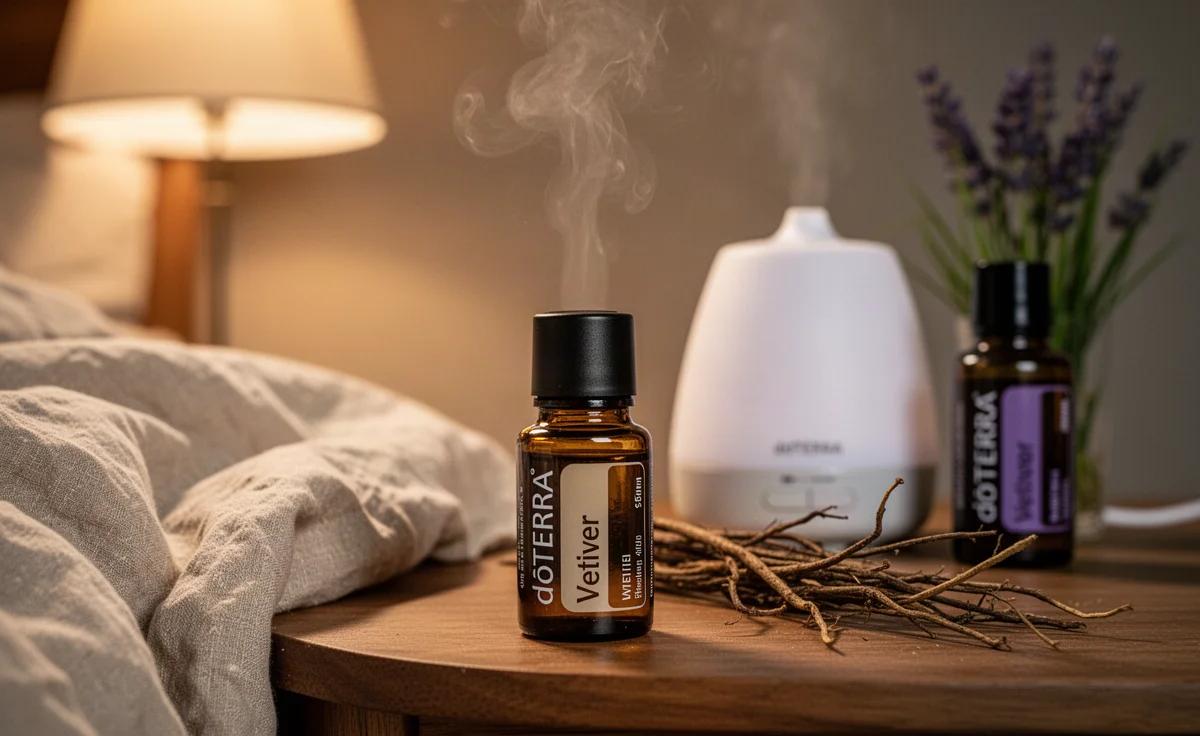
You have tried counting sheep, silenced your phone, and still lie awake replaying the day. The short answer is that vetiver oil is one of the most grounding essential oils for sleep, prized for its rich, earthy aroma that helps settle a busy mind. Many people find that a drop or two on the soles of the feet or in a diffuser before bed creates a noticeably calmer transition into rest. doTERRA's Vetiver is steam-distilled from the roots of a tropical grass, which gives it a deep, smoky, slightly sweet scent unlike lighter florals or citruses. It does not knock you out. Instead, it pulls your nervous system out of "go mode" and into a slower rhythm. If racing thoughts are what keep you up, vetiver is worth a spot on your nightstand.
What Makes Vetiver Different for Sleep
Most sleep-focused oils fall into two camps: bright and calming (like lavender or chamomile) or cool and clearing (like peppermint or eucalyptus). Vetiver belongs to a third group. It is warm, woodsy, and almost heavy, which is exactly why it works so well at night. The aroma does not ask for attention the way citrus does. It sits close to the skin and quietly changes the mood of the room.
In our experience, vetiver shines when a person's sleeplessness feels tied to mental overdrive rather than physical discomfort. If your body is tired but your brain refuses to stand down, a heavier, grounding oil is often the better match. Research from the National Institutes of Health explores how aromatic compounds interact with mood and relaxation, and vetiver's traditional use in Ayurvedic and Southeast Asian wellness practices supports this long-standing reputation for rest and focus.
Here is a quick comparison of how vetiver sits alongside other common bedtime oils:
| Oil | Aroma Profile | Best For |
|---|---|---|
| Vetiver | Earthy, smoky, deeply grounding | Racing thoughts, restless mind |
| Lavender | Floral, soft, classic | General relaxation, creating a calm environment |
| Cedarwood | Warm, woody, resinous | Comforting evening wind-down |
| Roman Chamomile | Sweet, apple-like, gentle | Sensitive noses, children's routines |
How to Use Vetiver for Sleep
There is no single correct method, but a consistent routine matters more than the technique itself. Here are the three approaches we suggest most often:
- Diffuse 3 to 4 drops before bed. Start the diffuser about 20 minutes before you plan to lie down. Combine vetiver with Bergamot or Wild Orange if the pure earthy scent feels too heavy on its own.
- Apply a drop to the soles of the feet. Dilute one drop of vetiver in a teaspoon of carrier oil and massage into the arches. This is a classic method for grounding oils and works well for people who do not want a diffuser running all night.
- Create a pillow mist. Mix 5 drops of vetiver, 5 drops of Lavender, and distilled water in a small spray bottle. Lightly mist your pillowcase, not your face, about five minutes before sleep.
Blending vetiver with a brighter note usually makes it more approachable. On its own, it can be polarizing. We hear two reactions: people either love the smell immediately or find it too intense. The fix is almost always the same: use less, and let it sit beside another oil rather than trying to run the show alone.
Vetiver Blends Worth Trying
A solid bedtime blend does not need to be complicated. Here are two pairings that have become staples in our evening routines:
Vetiver + Lavender. The most forgiving starting point. Lavender softens vetiver's edge, and vetiver gives lavender more depth. Two drops of each in a diffuser feels like a deep exhale.
Vetiver + Serenity. doTERRA's Serenity blend already includes lavandin, sweet marjoram, and roman chamomile. Adding one drop of vetiver extends its staying power and grounds the entire blend. For a ready-made alternative, the Restful Blend offers a similar profile in a softer format.
For a more robust comparison of sleep-promoting oils, see our guide to the best essential oils for deep, restful sleep, which pairs well with what we have covered here.
Common Mistakes That Cancel Out Vetiver’s Effect
The biggest mistake is using too much. Vetiver is dense, and a heavy hand turns its grounding quality into a cloying, headache-inducing cloud. Start with one or two drops, not five. Another common error is diffusing it too late. If you wait until you are already frustrated and wide awake, the scent becomes associated with that tension. Begin the routine earlier, while you are still calm. Finally, do not skip the carrier oil when applying topically. Undiluted vetiver can irritate sensitive skin, and the massage itself helps signal rest.
A Simple 10-Minute Vetiver Wind-Down Sequence
Pair the scent with a short, repeatable pattern to strengthen the sleep association. Try this sequence after brushing your teeth: dilute one drop of vetiver in a teaspoon of jojoba or fractionated coconut oil, massage it into the arches of both feet for ninety seconds each, then sit on the edge of your bed and take six slow breaths through your nose while cupping your hands near your face. Keep the lights low and avoid checking your phone during this window. Repeating the same order every night trains your brain to expect sleep, with vetiver as the anchor.
Related reading
Frequently Asked Questions
Can vetiver oil be used in a bedtime routine?
Yes, many people add vetiver oil to a diffuser or dilute it with a carrier oil for a calming evening ritual, but always follow product label instructions.
How should I apply vetiver oil before sleep?
Apply it topically to pulse points (like wrists or the back of the neck) after mixing with a carrier oil, or diffuse it in your bedroom for 30 minutes before lying down.
Is vetiver oil safe for nightly use?
It is generally considered safe for most adults when used as directed, but do a patch test first and consult a healthcare provider if you are pregnant, nursing, or have sensitive skin.
This content is for general information only and is not medical advice. Essential oils are not intended to diagnose, treat, cure, or prevent any disease; consult a qualified healthcare professional before use.