Peppermint Oil Concentration Explained
Learn how peppermint oil concentration affects potency, safety, and dilution. Practical ratios for diffusion, topical use, and daily wellness.
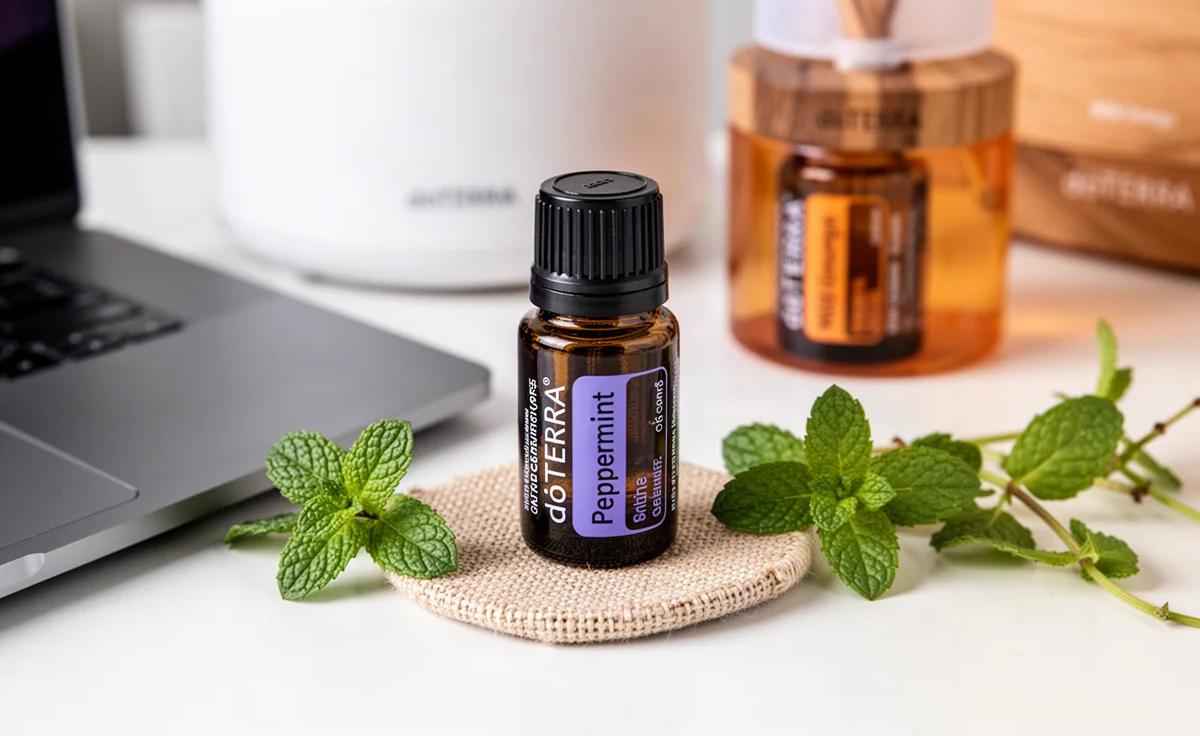
By Essential Synergy Team — Wellness Advocates & doTERRA enthusiasts
You open a bottle of peppermint oil, take one deep inhale, and your nose tingles instantly. That sharp, cooling sensation is concentration at work. But what does concentration actually mean for an essential oil, and how much should you use in different situations?
Peppermint oil concentration refers to how potent or undiluted the oil is. Pure essential oil is 100% concentrated, meaning a single drop contains the full aromatic and chemical profile of the peppermint plant. When you diffuse, apply topically, or blend it with a carrier oil, you are adjusting that concentration for safety and purpose. Getting the ratio right matters because too much can irritate skin or overwhelm the senses, while too little delivers no noticeable benefit. Below, we break down what concentration means, how to dilute peppermint oil properly, and which ratios suit common uses at home.
What Affects Peppermint Oil Potency
Several factors determine how strong a peppermint oil feels and works. The distillation method, the part of the plant used, and storage conditions all play a role. doTERRA's Peppermint oil comes from steam-distilled leaves and stems of Mentha piperita, which yields a consistently sharp, minty profile in every batch.
The menthol content is the main driver of that cooling sensation. Higher-quality oils retain a balanced menthol level without smelling harsh or synthetic. Storage also affects potency over time. Keep the bottle tightly sealed in dark glass, away from heat and direct light. A properly stored peppermint oil retains its strength for years, but a bottle left open or in sunlight can weaken and oxidize.
Safe Dilution Ratios for Topical Use
Applying undiluted peppermint oil directly to skin is one of the most common mistakes new users make. Pure oil is far too concentrated for direct contact and can cause redness or a burning sensation. The fix is simple: dilute it in a carrier oil.
Use these practical dilution rates:
- 1% dilution for sensitive skin, face, and children over 2 years: roughly 1 drop of peppermint oil per 5 ml of carrier oil.
- 2-3% dilution for adult body application: 2 to 3 drops per 5 ml of carrier oil. This suits massage blends, chest rubs, or foot applications.
- Spot application for adults: 1 drop diluted in 1 ml of carrier oil, applied to a small area only, never to broken skin.
Table: Choosing a Carrier Oil for Peppermint
| Carrier Oil | Best For | Texture |
|---|---|---|
| Fractionated coconut oil | Body massage, DIY blends | Light, non-greasy |
| Jojoba oil | Face, balancing blends | Absorbs quickly, stable |
| Sweet almond oil | Dry skin, chest rubs | Medium weight, nourishing |
| Avocado oil | Very dry skin | Rich, slow-absorbing |
In our experience, fractionated coconut oil is the most versatile choice for peppermint because it stays liquid and doesn't overpower the minty scent. Always perform a patch test on the inner elbow with a diluted drop, then wait 24 hours before broader use.
Diffusion Concentration and Timing
Diffusing peppermint changes the air concentration in a room, and the right amount depends on room size and who is present. The standard range is 3 to 5 drops per 100 ml of water in an ultrasonic diffuser.
Run the diffuser in 30 to 45 minute intervals rather than continuously. A saturated room loses its effect because your nose adapts quickly, and continuous diffusion can irritate airways in sensitive people. For small rooms or when children are present, stick to 3 drops and shorter sessions. Keep the room ventilated.
Peppermint pairs well with other oils for balanced diffusion. A simple focus blend uses 2 drops of Peppermint, 2 drops of Wild Orange, and 1 drop of Rosemary. For a cooling evening blend, combine 2 drops of Peppermint with 3 drops of Lavender.
Practical Ways to Adjust Concentration Daily
The same bottle of peppermint oil serves different purposes at different concentrations.
For a quick afternoon reset, keep the concentration low. Two drops in a personal inhaler or a cotton round placed near your desk gives a subtle lift without overwhelming the space. We explain more about how concentration affects practical use in our Peppermint Oil Concentration Guide.
For an after-activity massage, a 2% dilution works well across tired legs or shoulders. Mix 4 drops of Peppermint with 2 drops of Deep Blue in 10 ml of fractionated coconut oil. Massage gently, avoiding the face and eyes.
Common Mistakes When Mixing Peppermint Blends
One frequent error is adding peppermint last to an already-blended carrier oil and stirring briefly. Peppermint is lighter and more volatile than heavier oils like avocado, so it can sit on top rather than disperse. Add it drop by drop and roll or stir the bottle for at least 30 seconds to distribute it evenly.
Another misstep is reusing the same dropper across blends without rinsing. A trace of peppermint carries strong menthol notes that will dominate a delicate blend, so wipe the dropper with a clean cloth between oils.
Adjusting Concentration for Seasonal Shifts
Potency perception changes with the seasons. In cold months, skin tends to be drier and more reactive, so a 1% dilution often feels stronger than the same mix in summer. If your usual 2% blend suddenly tingles, drop to 1% before assuming the oil has changed.
Humidity matters too. In a damp room, peppermint's cooling sensation lingers longer on skin, so a lighter dilution stays comfortable. Keep a small bottle of plain carrier oil nearby to dilute an application that feels too intense.
Frequently Asked Questions
How concentrated is doTERRA Peppermint oil? It is a pure essential oil that is typically not diluted with carrier oils, so a little goes a long way.
Can I dilute Peppermint oil before using it? Yes, many people choose to dilute it with a carrier oil such as fractionated coconut oil to make the aroma or topical application more gentle.
Why does Peppermint oil seem so strong compared to other oils? Its intensity comes from naturally occurring constituents like menthol, which give it a bold, cooling aroma even in small amounts.