Natural Essential Oils for Hair Growth Support
Discover natural essential oils that support thicker, healthier-looking hair. Learn which oils to use, how to apply them safely, and practical routines for scalp wellness.
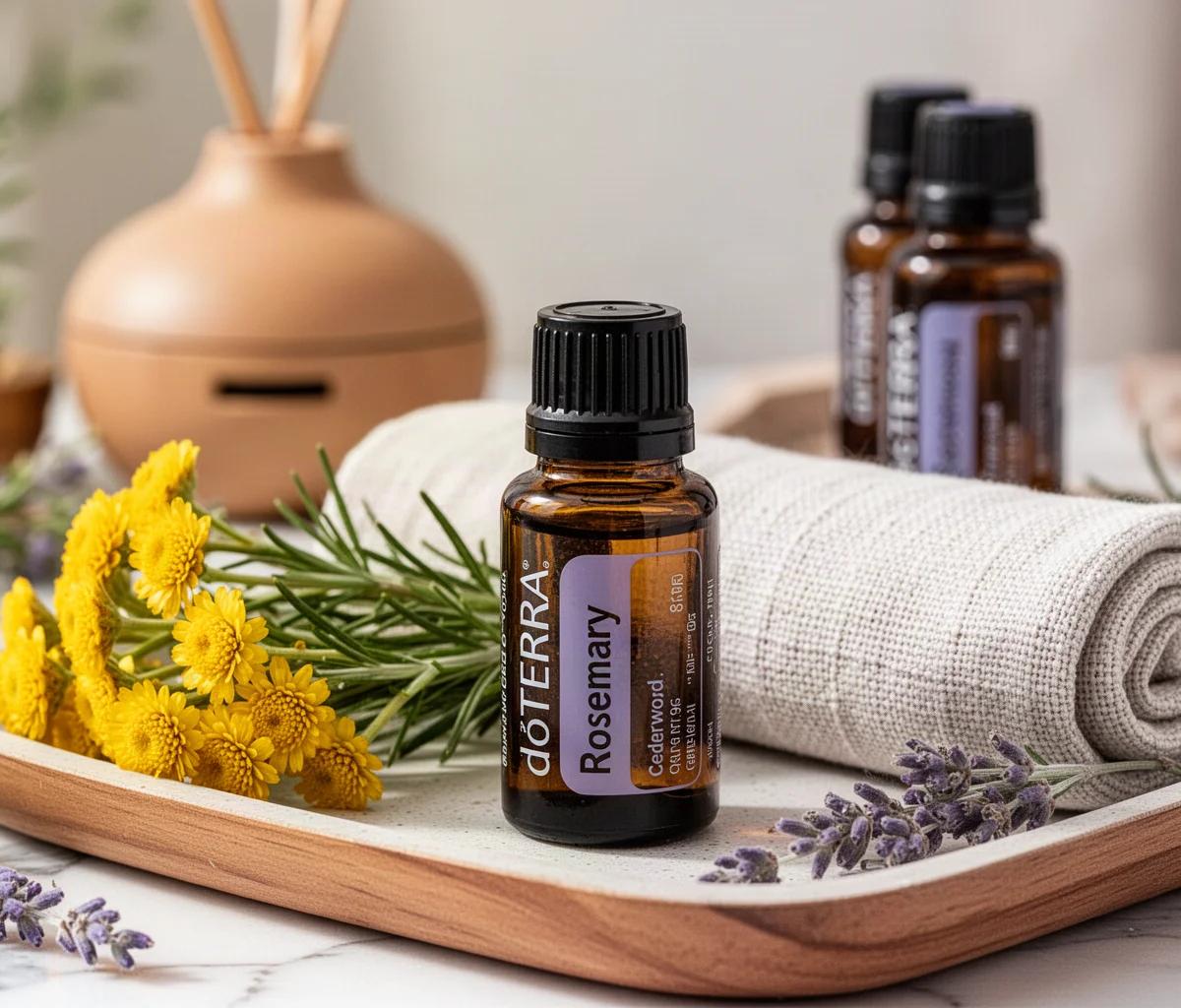
By Essential Synergy Team — Wellness Advocates & doTERRA enthusiasts
You have probably stood in the shower staring at a thinning patch or a clump of hair in the drain and thought: "Is there anything natural that actually helps?" The honest answer is that no single oil works like a pharmaceutical, but several doTERRA essential oils can play a meaningful supporting role when you use them consistently as part of a scalp-care routine. What we see most often is that oils help by keeping the scalp environment clean, hydrated, and well-circulated, which sets the stage for stronger-looking strands and less noticeable shedding over time. The key players are Rosemary, Cedarwood, Lavender, Tea Tree, and Peppermint, though a few others deserve a spot in your rotation depending on your scalp type.
This article walks you through which oils tend to work best and why, how to blend and apply them safely, and what a realistic weekly routine looks like. Everything here sits firmly in the wellness and self-care space, we are not treating any medical condition, just sharing what thousands of users and a growing body of research suggest about scalp health and essential oils.
The Best doTERRA Oils for a Healthy Scalp
Different oils bring different strengths to the table. The table below compares the five we recommend most often, based on how they behave on the scalp and what they contribute to a hair-friendly environment.
| Essential Oil | Primary Scalp Benefit | Best Paired With |
|---|---|---|
| Rosemary | Encourages a clean, invigorated scalp feeling | Cedarwood, Lavender |
| Cedarwood | Helps balance sebum; ideal for oily roots | Rosemary, Tea Tree |
| Lavender | Soothing and calming for irritated scalps | Peppermint, Rosemary |
| Tea Tree | Deep-cleansing and purifying | Cedarwood, Lavender |
| Peppermint | Cooling, tingling sensation that wakes up the scalp | Rosemary, Lavender |
Beyond these five, Clary Sage is worth a mention for its reputation in supporting scalp equilibrium, and Frankincense earns a spot in many DIY blends simply because it seems to amplify whatever other oils you pair it with, a kind of quiet enhancer.
How to Apply Essential Oils to Your Scalp (Step by Step)
The application method matters as much as which oils you pick. Undiluted essential oils can irritate the skin, so always use a carrier.
- Choose your carrier oil. Jojoba, fractionated coconut, and argan oil all work well. Jojoba is closest to the scalp's natural sebum, so it absorbs quickly without leaving a greasy residue.
- Mix your blend. For a 10 ml bottle of carrier, add 6-8 drops of essential oils total. A solid starting blend: 3 drops Rosemary, 2 drops Cedarwood, and 2 drops Lavender. Shake gently before each use.
- Apply to the scalp, not the hair. Use a dropper or your fingertips to part sections of dry or damp hair and get the oil directly onto the skin. Massage for 3-5 minutes with the pads of your fingers, not your nails, using firm circular motions.
- Let it sit. Leave the oil on for at least 30 minutes. Many people do this in the evening and wash it out in the morning. Cover your pillow with an old towel if you go to bed with oil in your hair.
- Wash thoroughly. You may need to shampoo twice to remove all the residue. Follow with your usual conditioner on the ends only to avoid weighing down the roots.
What we recommend most often is doing this twice a week for the first month, then dropping to once weekly as maintenance. Consistency matters far more than intensity.
Building a Scalp-Care Routine That Sticks
One of the biggest mistakes people make is treating essential oils like a one-off treatment. Scalp health responds to regular, gentle attention, not occasional heavy-handed sessions. Think of it like watering a plant: a little water every few days beats flooding it once a month.
Pair your oil routine with two other habits that cost nothing. First, use a gentle, sulfate-free shampoo that does not strip your scalp dry between oil treatments. Second, rinse with lukewarm water rather than hot, because heat can over-strip natural oils and leave the scalp tight and flaky. These two shifts amplify what the essential oils are already doing.
Related reading
Frequently Asked Questions
Can essential oils help with hair growth?
Some essential oils may support a healthy scalp environment, which can indirectly benefit hair health, but they are not proven to directly stimulate growth.
How should I use essential oils for my hair?
Always dilute essential oils in a carrier oil (like coconut or jojoba) and massage into the scalp, rinsing thoroughly after 15–30 minutes.
Are there any safety precautions with essential oils on hair?
Do a patch test first, avoid contact with eyes, and never apply undiluted oils directly to the scalp or skin.