How to Use Essential Oils in a Diffuser Effectively
Learn how to use essential oils in a diffuser with this complete guide. Discover proper techniques, safety tips, and blending ideas for your home.
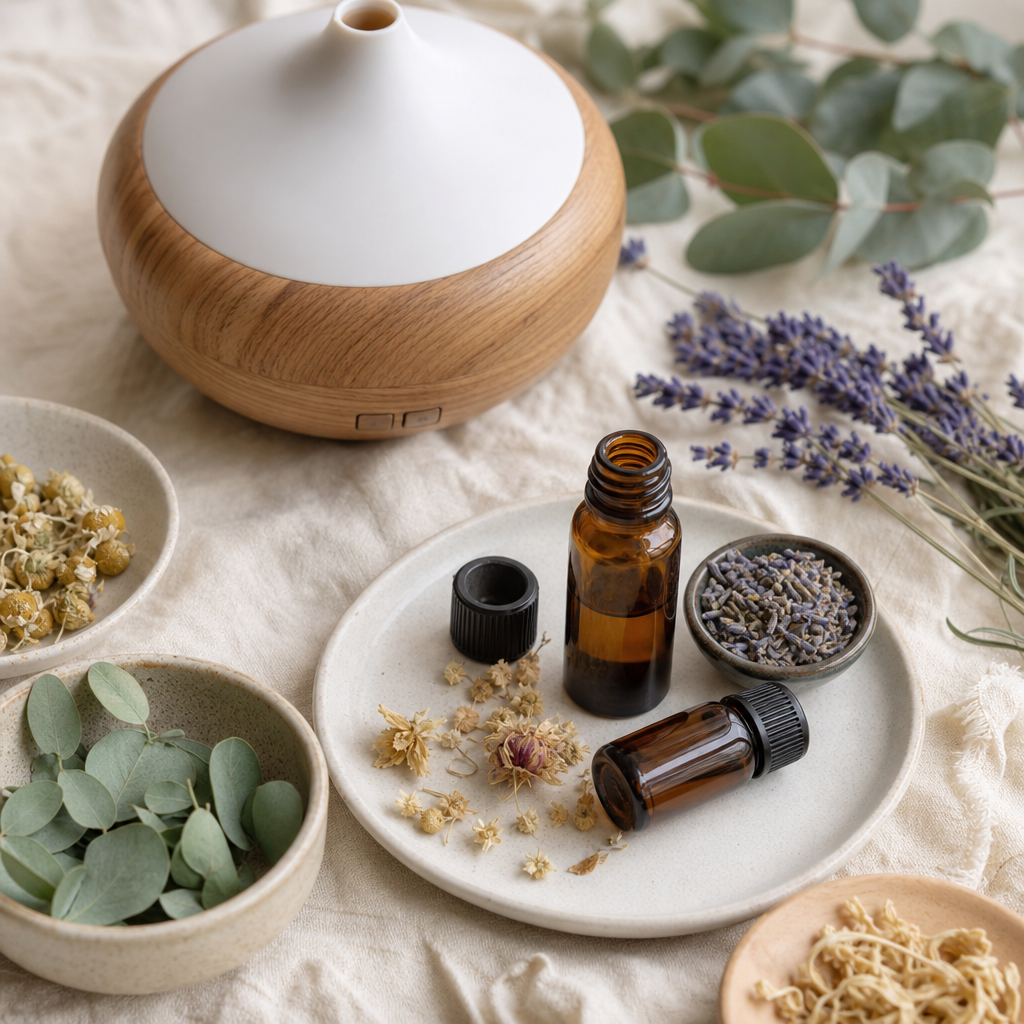
Diffusing essential oils is one of the simplest and most effective ways to experience the aromatic benefits of these powerful plant extracts. Whether you're new to aromatherapy or looking to refine your diffusing technique, understanding the proper way to use essential oils in a diffuser can transform your home environment and daily wellness routine.
If you've recently purchased your first diffuser or you're wondering if you're getting the most from your essential oils, you're in the right place. This guide will walk you through everything you need to know about diffusing essential oils safely and effectively.
Understanding Your Diffuser Type
Before you add any oils, it's important to know what type of diffuser you have. Ultrasonic diffusers are the most common type—they use water and ultrasonic vibrations to create a fine mist that disperses essential oils into the air. These are ideal for most home settings because they also add humidity while diffusing.
Nebulizing diffusers don't use water at all. Instead, they use pressurized air to break down pure essential oils into microscopic particles. These are more concentrated and can be especially effective in larger spaces, though they use more oil per session.
Evaporative and heat diffusers are simpler options that either blow air through a pad containing essential oils or gently warm the oils to release their aroma. While these work, they may not preserve all the beneficial properties of the oils as effectively as ultrasonic or nebulizing diffusers.
Step-by-Step: How to Use Your Diffuser
Using an ultrasonic diffuser is straightforward once you understand the basic process. Start by placing your diffuser on a flat, stable surface away from the edge of tables or shelves. Make sure it's positioned where the mist can disperse freely—avoid placing it directly under cabinets or shelves.
Fill the water reservoir with clean, room-temperature water up to the fill line indicated on your diffuser. Most diffusers hold between 100-500ml of water, but always check your specific model's capacity. Never overfill, as this can affect the diffuser's performance.
Add 3-5 drops of your chosen essential oil to the water. For smaller diffusers (100-200ml), start with 3-4 drops. Larger diffusers (400-500ml) can handle 5-8 drops. You can always add more if you want a stronger aroma, but it's best to start conservatively. Popular choices like Lavender, Peppermint, or Wild Orange work beautifully on their own.
Secure the lid or cover according to your diffuser's instructions, plug in your device, and turn it on. Most diffusers have multiple settings—continuous mist, intermittent mist (such as 30 seconds on, 30 seconds off), and timer options. For everyday use, intermittent diffusing is often ideal as it conserves oils while still providing consistent aromatherapy benefits.
Creating the Perfect Diffuser Blends
Once you're comfortable with single oils, experimenting with blends opens up a whole new world of aromatherapy. The key to successful blending is understanding that oils fall into different aromatic categories—citrus, floral, herbal, woodsy, and spicy.
For a calming evening blend, try combining 2 drops of Lavender, 2 drops of Cedarwood, and 1 drop of Frankincense. This creates a grounding, peaceful atmosphere perfect for unwinding before bed.
For an energizing morning blend, mix 3 drops of Wild Orange, 2 drops of Peppermint, and 1 drop of Rosemary. This bright, invigorating combination helps promote alertness and a positive mood as you start your day.
You can also explore pre-blended oils like Balance for emotional grounding, Breathe for respiratory support, or On Guard for immune system wellness. These expertly crafted blends take the guesswork out of combining oils.
Safety Tips and Best Practices
Proper diffusing practices ensure you get the most benefit while maintaining a safe environment. Run your diffuser for 30-60 minutes at a time, then give it a break. Continuous diffusing for hours can lead to scent fatigue, where your nose becomes desensitized to the aroma, and may be overwhelming in smaller spaces.
Always use pure, high-quality essential oils in your diffuser. Synthetic fragrance oils or oils diluted with additives can damage your diffuser and won't provide the same wellness benefits as authentic essential oils.
Clean your diffuser regularly—ideally after every 5-6 uses or at least once a week. Fill the reservoir halfway with clean water, add a teaspoon of white vinegar, and run the diffuser for 5-10 minutes. Then empty, rinse thoroughly with clean water, and wipe dry with a soft cloth. This prevents oil residue buildup and keeps your diffuser functioning properly.
If you have pets, especially cats or birds, be mindful of which oils you diffuse and ensure good ventilation. Some essential oils can be problematic for certain animals, so it's wise to diffuse in a room your pet can leave if they choose and to research pet-safe options.
Related reading
Frequently Asked Questions
How many drops of essential oil should I put in my diffuser?
For most standard diffusers (100-400ml capacity), use 3-5 drops of essential oil. Start with fewer drops and add more if you want a stronger scent. Larger spaces or bigger diffusers may require 6-8 drops. The key is to start conservatively—you can always add more, but you can't remove oils once they're in the water.
Can I leave my diffuser on all night?
Most experts recommend diffusing intermittently rather than continuously overnight. Many modern diffusers have 2-4 hour automatic shut-off timers, which is ideal for bedtime use. If your diffuser runs continuously, limit overnight diffusing to 30-60 minutes using the timer function. This approach is gentler for your respiratory system and more efficient with your oils.
What's the difference between adding more drops versus diffusing longer?
Adding more drops increases the concentration of essential oil particles in the air, creating a stronger immediate aroma. Diffusing longer extends the duration of exposure but at a consistent concentration. For most home settings, using the recommended number of drops (3-5) and diffusing for 30-60 minutes at a time provides the best balance of effectiveness and oil conservation.
Do I need to use distilled water in my diffuser?
While not strictly necessary, distilled or filtered water can help prevent mineral buildup in your diffuser, especially if you have hard water. Tap water works fine for most users, but if you notice white residue or mineral deposits forming, switching to distilled water and regular cleaning will extend your diffuser's lifespan.
Can I mix different essential oils in the same diffuser session?
Absolutely! Blending oils is one of the joys of aromatherapy. You can combine complementary scents to create custom blends for different times of day or specific wellness goals. Just keep your total drops within the recommended range (3-8 drops total, depending on diffuser size). Start with simple two-oil combinations before creating more complex blends.
How do I know if I'm using too much essential oil?
If you or others in your home experience headaches, nausea, or respiratory irritation, you may be over-diffusing. These signs indicate it's time to reduce the number of drops, shorten diffusing sessions, or increase ventilation. Everyone's sensitivity is different, so adjust based on your comfort level.
Conclusion
Diffusing essential oils is a simple yet powerful way to enhance your home environment and support your daily wellness goals. By following these guidelines—understanding your diffuser type, using the right amount of oils, creating thoughtful blends, and maintaining your device properly—you'll get the most from your aromatherapy practice while creating a space that nurtures your wellbeing.