Best Essential Oil Diffuser for Home Wellness
Discover how to choose the best essential oil diffuser for home wellness. Learn key features, top oils to pair, and tips for creating a calming atmosphere.
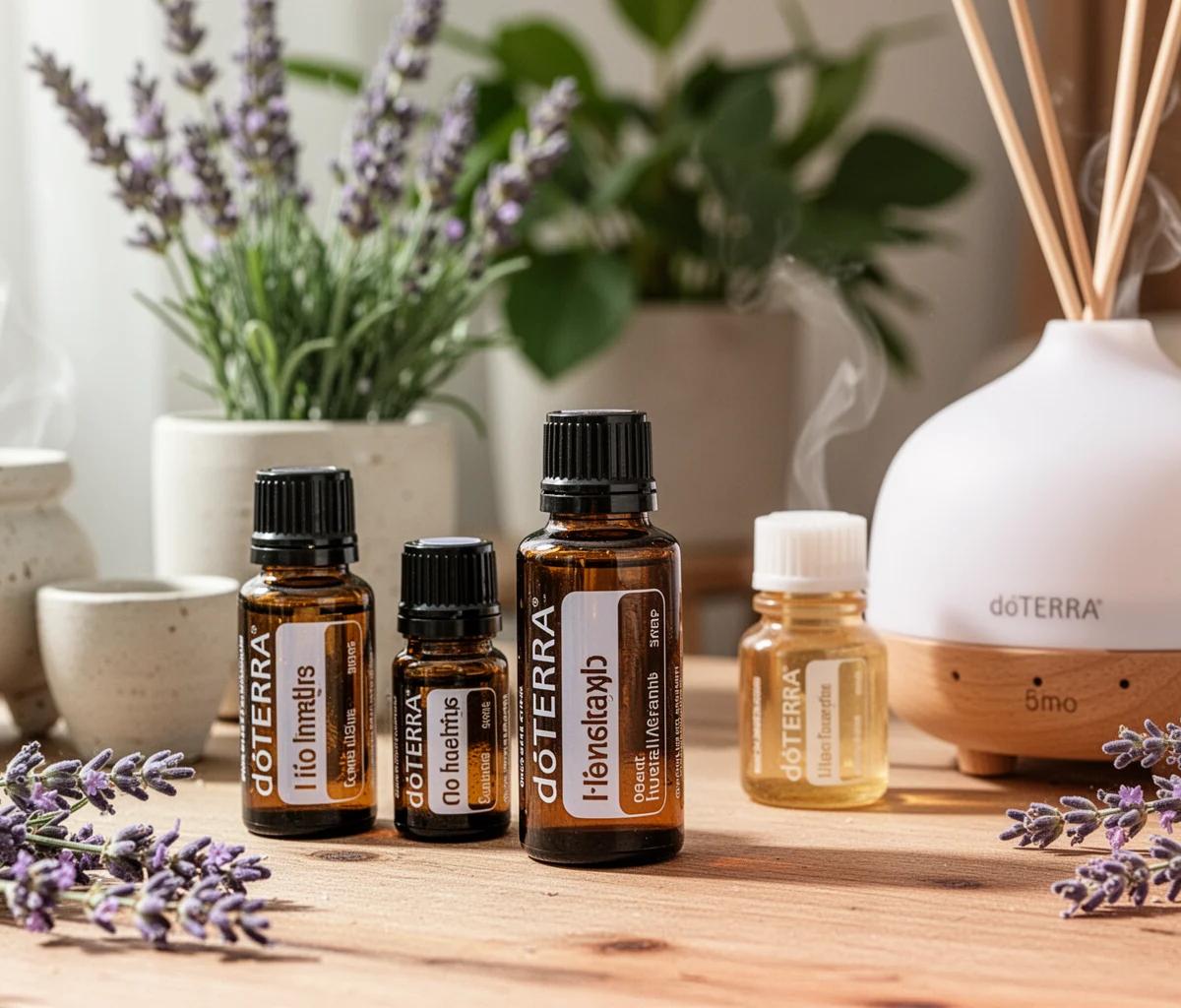
By Essential Synergy Team — Wellness Advocates & doTERRA enthusiasts
You walk through the door after a long day, and the air smells like a calm forest or a citrus grove. That is the power of the right diffuser paired with quality oils. The short answer is: the best essential oil diffuser for home wellness is one that matches your room size, runs quietly, and uses ultrasonic technology to preserve the oil’s natural properties. It does not have to be expensive, but it should be easy to clean and offer adjustable settings. Beyond the hardware, the real magic comes from the oils you choose, and that is what we want to help you explore.
When you are setting up a diffuser for daily use, the device is only half the story. The oils you add shape the experience, so picking a diffuser that works well with high-quality oils matters. In our experience, a simple ultrasonic model with a water tank that runs for four to eight hours is the sweet spot for most homes. You want something that blends into your space, not something that dominates it. Let’s walk through what to look for and how to make the most of your diffuser.
What to Look for in a Home Wellness Diffuser
Not all diffusers are created equal. The most important factor is the type of diffusion. Ultrasonic diffusers are the standard for home wellness because they use water and vibrations to create a fine mist. They do not heat the oil, which means the oil’s natural aromatic profile remains intact. Other types, like nebulizing diffusers, are more powerful but can be louder and use oil faster, making them better for short bursts in a clinic or office.
Here are the key features to consider:
- Water tank capacity: a 100–200 ml tank is ideal for a bedroom or living room. Larger tanks (300 ml or more) work for open-plan spaces but may need refilling less often.
- Run time and auto shut-off: look for models that run continuously or intermittently for 4–8 hours and turn off automatically when water runs out.
- Noise level: ultrasonic diffusers are naturally quiet, but some models have a slight hum. Check reviews if you plan to use it in a nursery or while sleeping.
- Ease of cleaning: a wide opening makes it easy to wipe out residue. Diffusers that are hard to clean can grow mold and affect the oil’s scent.
- Light settings: many diffusers include LED lights. A soft, warm light can enhance relaxation, while bright colors may be distracting in a sleep space.
Best Oils to Pair with Your Diffuser
Once you have a reliable diffuser, the next step is choosing oils that support your wellness goals. The beauty of using a diffuser is that you can blend oils to create a custom atmosphere. Below is a simple comparison table to help you match oils to your desired mood.
| Wellness Goal | Recommended Oils | Suggested Blend |
|---|---|---|
| Calm and relaxation | Lavender, Serenity, Vetiver | 3 drops Lavender + 2 drops Serenity |
| Focus and energy | Peppermint, Wild Orange, Rosemary | 2 drops Peppermint + 3 drops Wild Orange |
| Clean and fresh air | Lemon, Tea Tree, Purify | 3 drops Lemon + 2 drops Purify |
| Restful sleep | Lavender, Cedarwood, Roman Chamomile | 2 drops Lavender + 2 drops Cedarwood |
| Uplifting mood | Citrus Bliss, Elevation, Bergamot | 3 drops Citrus Bliss + 2 drops Elevation |
If you are new to diffusing, starting with a single oil like Lavender or Peppermint is a great way to learn how the scent fills the room. From there, you can experiment with blends. For a deeper look at how to use oils in a diffuser, check out our guide on How to Use Essential Oils in a Diffuser Effectively.
How to Set Up a Daily Diffusing Routine
Consistency is key when using a diffuser for home wellness. A simple routine helps you get the most out of your oils and your device. Here is a step-by-step approach:
- Fill the tank: use room-temperature water up to the fill line. Avoid hot water as it can damage the ultrasonic plate.
- Add your oils: start with 3–5 drops total for a standard 100–200 ml diffuser. You can always add more, but too much oil can overpower the room.
- Place it strategically: set the diffuser on a stable surface away from direct sunlight and electronics. A table or shelf at chest height helps the mist disperse evenly.
- Set the timer: many diffusers offer intermittent settings (e.g., 30 seconds on, 30 seconds off). This extends run time and prevents the scent from becoming too strong.
- Clean weekly: empty any leftover water after each use. Once a week, wipe the inside with a cloth and a drop of white vinegar to remove oil residue.
In our experience, diffusing for 20–30 minutes at a time during work or relaxation hours works well. Running it all day can lead to olfactory fatigue, where you stop noticing the scent. Short, intentional sessions keep the experience fresh.
Choosing a Diffuser: Ultrasonic vs. Nebulizing
For most home wellness purposes, an ultrasonic diffuser is the best choice. It is quiet, safe around children and pets (with proper supervision), and gentle on oils. Nebulizing diffusers, which use pressurized air to disperse pure oil without water, are more intense. They are excellent for short-term use in a small room or for targeted aromatherapy, but they consume oil faster and can be noisy.
If you are building a starter kit, we recommend an ultrasonic model with a 150–200 ml tank. Many affordable options include LED lights and timer settings. Remember, the diffuser is just the delivery system; the quality of the oil matters more. Always choose oils from a trusted source. For a great starting collection, the Essentials Kit is a wonderful way to get several top oils at once.
Related reading
Frequently Asked Questions
How often should I clean my essential oil diffuser? Clean it after every 3–4 uses, or at least once a week. Empty the leftover water and wipe the inside with a soft cloth. For deeper cleaning, use a few drops of white vinegar in water and run the diffuser for a cycle.
Can I leave my diffuser on all night? Yes, many diffusers have an auto shut-off feature that turns the device off when the water runs out. For sleep, use a calming blend like Lavender and Cedarwood and set the diffuser to run for an hour or two before bed.
How many drops of oil should I use? For a standard 100–200 ml diffuser, 3–5 drops total is plenty. Adjust based on room size and your sensitivity to scent. You can always add more later if the aroma is too faint.
Is it safe to use essential oils in a diffuser around pets? Some oils can be strong for pets, especially cats and birds. Always use a well-ventilated room and consider pet-safe oils like Lavender (in small amounts). Limit diffusion to 15–30 minutes and keep the diffuser out of reach.
What is the best room to place a diffuser in? The living room or bedroom are the most common choices. For relaxation, place it near where you sit or sleep. For focus, put it on your desk or in a home office.
Conclusion
The best essential oil diffuser for home wellness is one that fits your space, runs quietly, and lets you enjoy the full aroma of your chosen oils. Pair it with high-quality oils like Lavender, Peppermint, or Wild Orange, and build a simple diffusing routine that supports your daily rhythm. For more ideas on how to use individual oils, you might enjoy our article on Lavender Oil Uses and Benefits for Daily Wellness.
This content is for general information only and is not medical advice. Essential oils are not intended to diagnose, treat, cure, or prevent any disease; consult a qualified healthcare professional before use.