Your First Steps With doTERRA Essential Oils
Learn how to use doTERRA essential oils for beginners with safe dilution, simple diffusion, and a practical starter kit approach. A practical guide with clear.
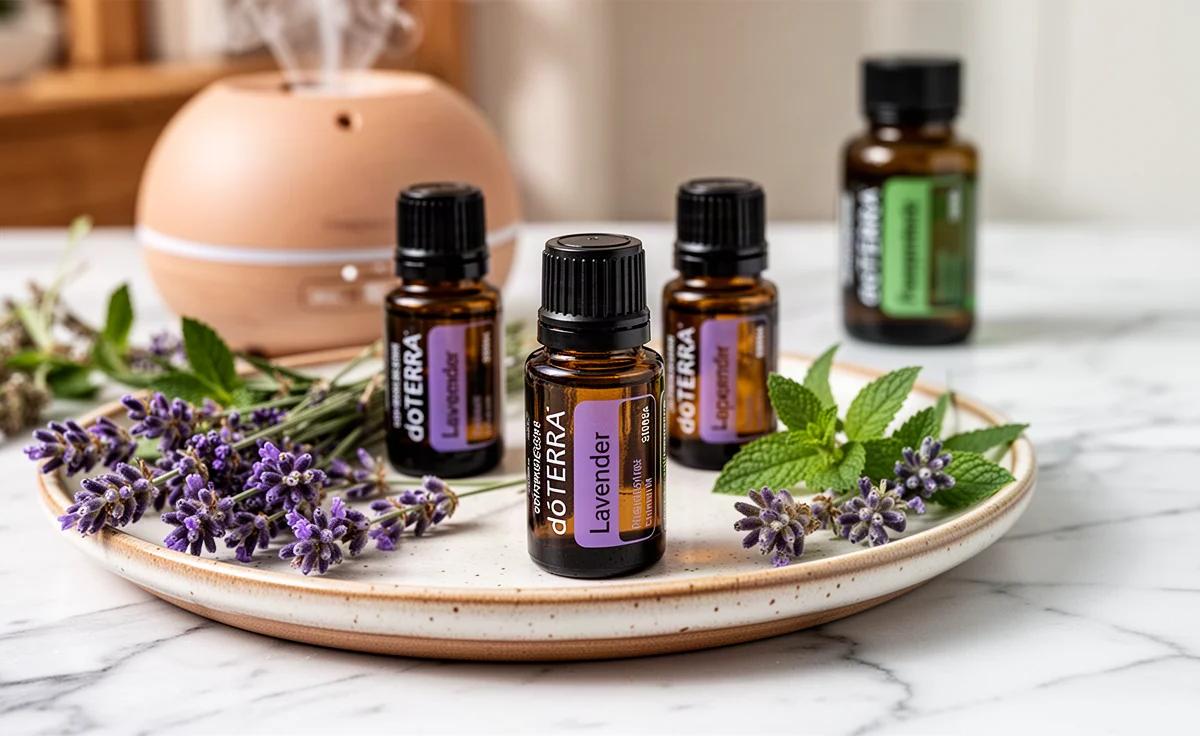
By Essential Synergy Team — Wellness Advocates & doTERRA enthusiasts
You just opened your first box of doTERRA oils, and there are ten little amber bottles staring back at you. The good news: you do not need to memorize a chemistry textbook. Start with three oils, learn two methods, and build from there. The direct answer to using doTERRA essential oils for beginners is simple: diffuse 3-5 drops of oil per 100 ml of water for 30-45 minutes at a time, or dilute one drop of essential oil in about 5 ml of carrier oil (a 1% dilution) for skin application. That ratio is safe for nearly every beginner use: face, wrists, hands, or chest.
Most beginners overcomplicate things. They try all ten oils in one weekend, apply them undiluted, and end up with irritated skin or an overwhelmed nose. This guide walks through the oils worth starting with, how to diffuse safely, how to blend for topical use, and what a starter kit actually does for you. If you are entirely new to aromatherapy, our doTERRA Essential Oils for Beginners Guide covers the fundamentals consistently.
Which Oils to Start With
doTERRA sells dozens of single oils and proprietary blends. You do not need most of them on day one. A useful starter approach is three to five oils that cover broad everyday needs without requiring advanced knowledge.
The most practical beginner oils are Lavender, Peppermint, and Lemon. Here is why this trio works:
- Lavender (Lavandula angustifolia) is the gentle workhorse for relaxation, skin care, and winding down
- Peppermint feels cool and invigorating, useful for stuffy rooms and post-workout massages
- Lemon cuts through stale air and works well in cleaning blends
If you want a blend instead of a single oil, doTERRA's Breathe blend is a forgiving starting point for diffusion, and On Guard mixes citrus, clove, and cinnamon for a warm, protective aroma many households use daily.
A simple comparison helps decide where to start:
| Oil | Best Beginner Use | Dilution Needed | Diffuse? |
|---|---|---|---|
| Lavender | Relaxation, skin | 1% for skin | Yes |
| Peppermint | Cooling, focus | 1% for skin | In open rooms only |
| Lemon | Cleaning, fresh air | 1-2% for skin | Yes |
| Breathe blend | Clear-feeling air | Not for skin initially | Yes |
| On Guard blend | Seasonal aroma | 1% if applied | Yes |
Your First Diffusion Setup
Diffusion is the safest way to learn how essential oils behave. You smell them, the room changes, and there is no skin involved. Follow these steps the first time:
- Add 100 ml of clean water to your diffuser reservoir
- Add 3 drops of one single oil (do not mix oils on day one)
- Set a timer for 30 minutes
- Keep the room ventilated, not sealed
- Write down your honest reaction: pleasant, neutral, or overwhelming
Three drops per 100 ml of water is the correct starting point. Do not run the diffuser continuously. After 30-45 minutes, turn it off and let your nose rest. Continuous diffusion saturates your sense of smell and wastes oil.
Pet owners: leave the door open so the animal can leave the room. Cats are particularly sensitive, and even diffused oils deserve caution. The product label and your veterinarian are the right sources for pet-specific guidance, not blog comments.
Applying Oils to Your Skin Safely
Topical use is where most beginners make mistakes. Essential oils are concentrated plant extracts. Undiluted application can irritate even resilient skin.
The baseline is a 1% dilution: roughly 1 drop of essential oil per 5 ml of carrier oil. Choose the carrier based on the job:
- Jojoba for the face: a liquid wax that does not clog pores or go rancid quickly
- Fractionated coconut oil for body massage: light, stable, and easy to wash out
- Sweet almond oil for dry skin: richer and more nourishing
Here is the simple beginner routine:
- Pour 5 ml of carrier oil into a small glass dish
- Add 1 drop of essential oil
- Stir with a clean finger or glass rod
- Apply a tiny amount to the inner elbow
- Wait 24 hours before using it anywhere else
That patch test is not optional the first time you use a new oil. Tea Tree and Frankincense are two more beginner-friendly singles worth trying once you are comfortable with the first three, but each one gets its own patch test.
Frequently Asked Questions
How do I use the oils in a doTERRA starter kit? Most kits include a diffuser and several single oils and blends, and each bottle label lists suggested uses such as diffusing, applying to the skin, or adding to recipes. Start with one oil at a time and follow the label directions.
How much oil should a beginner use? Beginners typically start with just one or two drops, especially for aromatic or topical use, since essential oils are concentrated. You can adjust the amount gradually based on your personal preference.
Where can I find guidance on using my starter kit? Your kit usually includes a welcome guide, and doTERRA provides reference materials and a product information page for each oil. Your enrolling affiliate or the official doTERRA website can also point you to beginner resources.