doTERRA Essential Oils for Beginners Guide
New to essential oils? Learn how to start with doTERRA safely, which oils to buy first, dilution basics, and beginner-friendly routines. A practical guide with.
By Essential Synergy Team — Wellness Advocates & doTERRA enthusiasts
Your first bottle of essential oil arrives, you unscrew the cap, and suddenly you realize you have no idea whether to sniff it, rub it on your wrists, or put it in water. Most beginners freeze at exactly that moment.
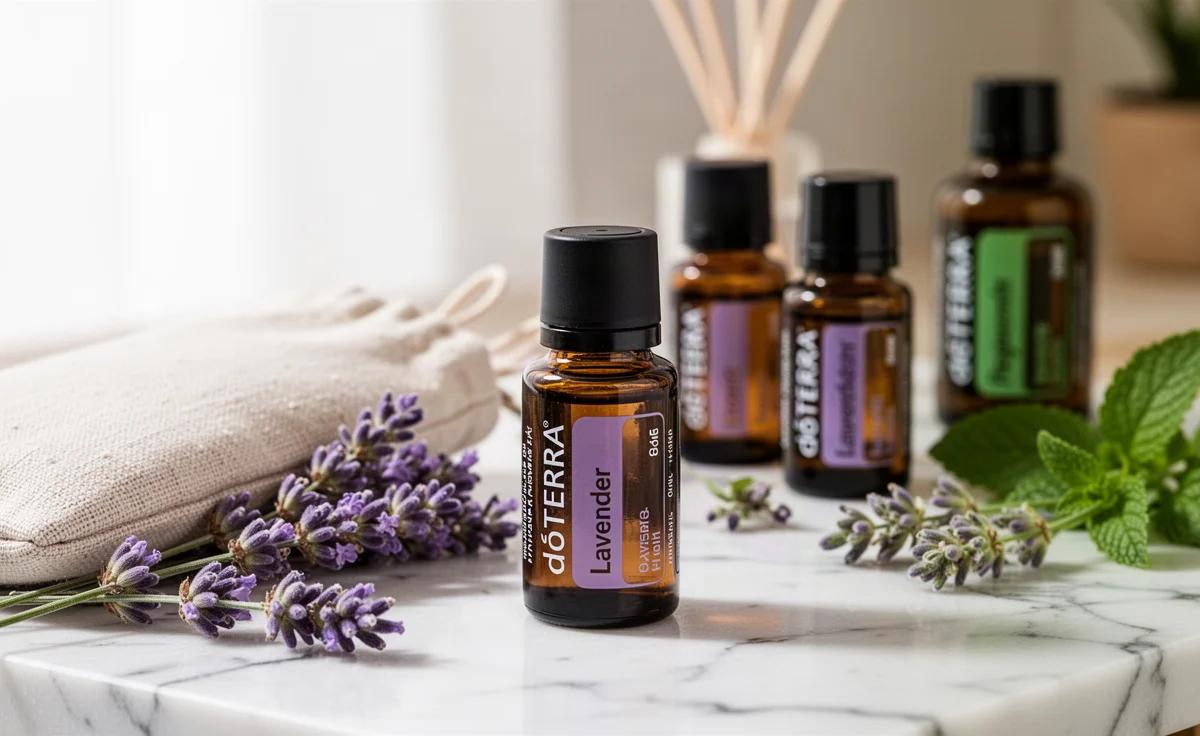
Here is the direct answer: start with three versatile oils, learn one safe application method per oil, and build from there. doTERRA Oil Basics for New Users covers the fundamentals, but the short version is this: Lavender for calm evenings, Peppermint for mid-afternoon energy, and Lemon for fresh, clean spaces. You do not need a collection of thirty bottles. You need three oils you actually use, a carrier oil, and a basic understanding of dilution. Everything else is optional.
Why Most Beginners Overbuy
It is tempting to order every oil that sounds interesting. We have watched dozens of new users do exactly that, then feel overwhelmed when the box arrives.
What we recommend most often is starting small. A curated kit removes the guesswork. The Essentials Kit includes core oils like Lavender, Lemon, and Peppermint at a sensible entry point. If you prefer a slightly broader introduction, the Essential Foundations Kit adds a few blends that cover common daily needs.
Buying individual bottles also works fine. Just avoid the trap of accumulating oils you never open. Three oils used weekly beat twenty oils sitting in a drawer.
Your First Three Oils, Explained
Here is what each starter oil actually does and how to use it on day one.
| Oil | Best Beginner Use | Key Safety Note |
|---|---|---|
| Lavender | Diffusion before bed or diluted on wrists | Generally gentle; patch test first |
| Peppermint | Inhaled from palms for a quick pick-me-up | Keep away from eyes and small children's faces |
| Lemon | Diffused to freshen a room | Photosensitizing; avoid sun exposure for ~12 hours after skin application |
Lavender for Evenings
Lavender is the classic starting point for a reason. Two to three drops in a diffuser with 100 ml of water, run for 30 minutes before bed, creates a noticeable shift in the room. For skin, dilute to 1% (about 1 drop in 5 ml of jojoba or sweet almond oil) and apply to wrists or the back of the neck.
Peppermint for Afternoon Slumps
Instead of a third coffee, try one drop of Peppermint on your palms, rub them together, and cup your hands over your nose for three slow breaths. It is immediate and costs nothing but a drop of oil. Avoid applying it near the face of anyone under two years old.
Lemon for Clean Air and Surfaces
Lemon diffuses beautifully and works well in a simple room spray: 10 drops in a 100 ml glass spray bottle with water, shaken before each use. Keep it away from direct sunlight on your skin, since cold-pressed citrus oils can cause photosensitivity.
How to Dilute Properly: The Numbers That Matter
This is the single most important skill for beginners, and most guides skip the actual numbers. Here they are:
- Face and sensitive areas: 1% dilution, roughly 1 drop of essential oil per 5 ml of carrier oil.
- Full body in adults: 2-3% dilution, which means 2-3 drops per 5 ml of carrier.
- Children over 2 and elderly: stay at 1%, or lower if in doubt.
- Under 2 years old: no essential oils on the skin without pediatric guidance. Use only the carrier oil for massage.
For carriers, Fractionated Coconut Oil is the most common choice for body application because it is light and stable. Jojoba works well for the face.
Beyond the Basics: One Blend Worth Knowing
Once your three singles feel familiar, one blend will teach you how doTERRA combines oils for specific purposes. On Guard is the most popular entry point for household use, bringing together wild orange, clove, cinnamon, eucalyptus, and rosemary. The Home Essentials Enrollment Kit bundles it with core singles if you want a ready-made starter system.
Labeling Your Bottles: A Small Habit That Prevents Big Mistakes
Once you own more than three bottles, unmarked caps become a real problem. A drop of Peppermint mistaken for Lavender on your wrists before bed is an unpleasant surprise. Keep a roll of small dot stickers or a fine-tip marker nearby, and write the oil name on the cap the day the bottle arrives. For blends you mix yourself, label the roller bottle with the oil, dilution percentage, and date. A 10 ml roller with "Lavender 2% — March" tells you everything at a glance.
Mistakes We See Beginners Make Constantly
The first is adding drops directly to a glass of drinking water without checking the label. Not every oil is labeled for internal use, and oil and water do not mix — drops cling to the glass rather than dispersing. If you want citrus in your water, use a labeled oil and stir it into a small amount of honey first.
The second is storing bottles on a sunny windowsill. Heat and light degrade oils, so keep them in a cool, dark cabinet away from the stove.
The third is diffusing in a closed room for hours. Run your diffuser for 30 to 60 minutes, then let the air settle, especially around pets and small children.
Testing Before You Commit
Patch testing takes two minutes and saves a lot of regret. Dilute one drop in 5 ml of carrier oil, apply a small amount to your inner forearm, and wait 24 hours. If you notice redness, itching, or warmth, wash the area with soap and carrier oil, and skip that oil on your skin. Do this for every new oil or blend before regular use, and repeat it if you have not used a bottle in several months.
Frequently Asked Questions
What is doTERRA? doTERRA is a company that produces and sells essential oils and related products. Its oils are sourced from various locations worldwide and are intended for aromatic, topical, and internal use according to label directions.
How do beginners start using essential oils? Beginners often start with a few popular oils such as lavender, lemon, or peppermint and learn how each is labeled to be used. Following the product label and any guidance from the company or a qualified professional is the best way to begin.
Where can I find reliable information about doTERRA oils? The most reliable information comes from the official doTERRA website, product labels, and materials provided by the company. For personal questions about use, consult a qualified healthcare professional.