Frankincense Essential Oil Benefits
Explore Frankincense essential oil benefits for skin, focus, and calm. Learn safe dilution, diffusion tips, and which doTERRA oils pair best.
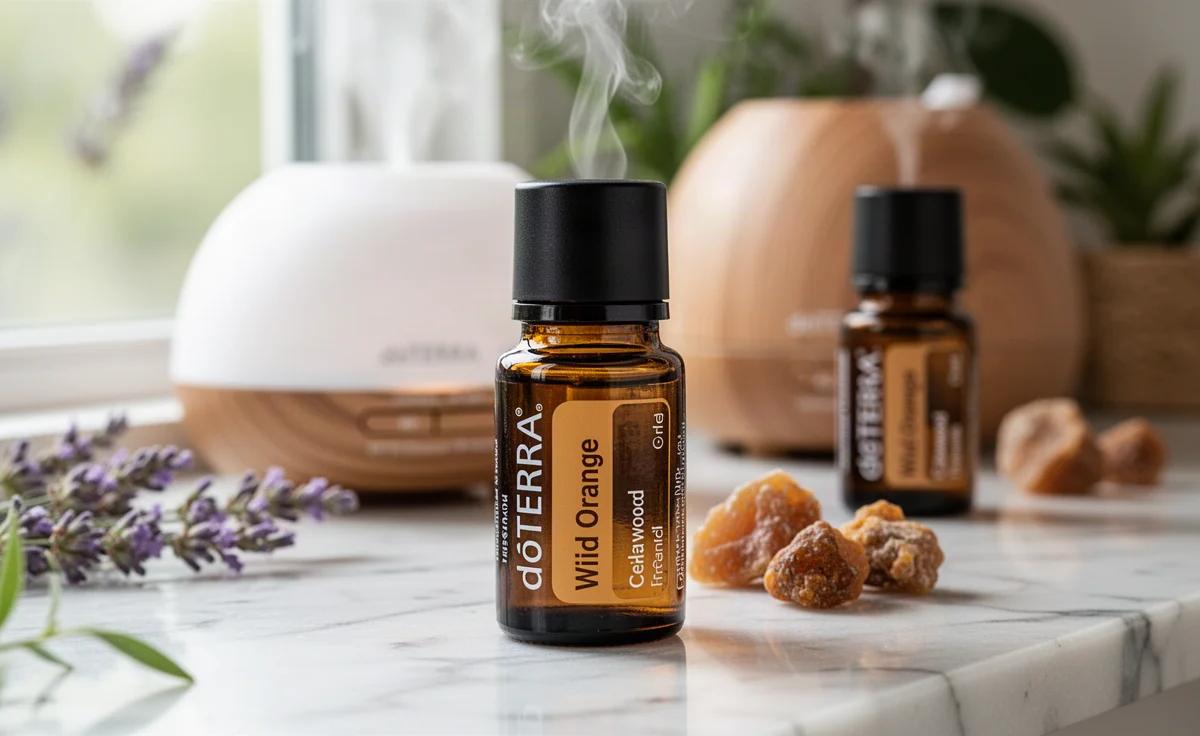
By Essential Synergy Team — Wellness Advocates & doTERRA enthusiasts
You open the bottle, and the scent is unlike anything else in your collection: dry, resinous, faintly sweet. It smells ancient. That is Frankincense, and its reputation often races ahead of practical advice on how to actually use it.
Frankincense essential oil is steam-distilled from the resin of the Boswellia tree and is most valued for its grounding, centering aroma. In everyday aromatherapy, people reach for it to create a calm atmosphere, support a focused mindset, smooth the look of mature skin, and add depth to blends for meditation or quiet evenings. It blends well with citrus, woods, and florals, and a single bottle lasts a long time because a little goes far.
Where Frankincense Stands Out in Daily Use
Frankincense is not a loud oil. It works in the background, adding warmth and presence. Here is what we recommend most often, based on how people actually use it week to week.
- Focus and mental clarity: diffuse it while reading, studying, or doing deep work. The aroma helps set a steady tone.
- Skin care: diluted in a carrier, it is a favorite addition to evening facial routines for its smoothing feel.
- Grounding blends: combine it with citrus oils like Wild Orange or woods like Cedarwood for a balanced, unhurried aroma.
- Quiet rituals: a drop on a diffuser necklace or in a palm blend before journaling or stretching.
If you want a deeper look at how Frankincense performs for skin specifically, our full guide on Frankincense Oil Benefits for Skin and Health covers dilution ratios and routine ideas in more detail.
How to Dilute Frankincense Safely for the Skin
Frankincense is generally gentle, but undiluted oils should never be applied directly to large areas or sensitive skin. Here is a simple three-step method we walk through with new users.
- Pick your carrier. Jojoba is our top choice for the face because it is actually a liquid wax that does not go rancid quickly and sits lightly. For the body, fractionated coconut oil works well and does not stain.
- Measure the dilution. For facial use, use about 1 drop of Frankincense per 5 ml of carrier oil, which is roughly a 1% dilution. For body massage, 2-3 drops per 5 ml gives a 2-3% dilution.
- Blend and patch test. Mix in a small glass dish, then apply a tiny amount to the inner elbow. Wait 24 hours before using it on your face or larger areas.
Frankincense and Friends: Pairing by Purpose
Frankincense rarely works alone, and certain pairings change the whole character of a blend. This table shows four everyday intentions and solid partners for each.
| Intention | Pair Frankincense With | Why It Works |
|---|---|---|
| Calm evening | Lavender | Softens the resinous edge and sweetens the aroma. |
| Bright focus | Lemon | Adds lift without stealing the grounding base. |
| Skin smoothing | Geranium | A classic botanical pairing for mature skin. |
| Quiet reflection | Sandalwood | Shares a dry, woody base and deepens the blend. |
Three Practical Ways to Use It This Week
- Diffusion: add 3-5 drops to 100 ml of water and run the diffuser for 30-45 minutes at a time, not continuously. Keep the room ventilated.
- Roll-on for wrists: in a 10 ml roller bottle, combine 5 drops of Frankincense, 3 drops of Bergamot, and jojoba oil to just below the shoulder. Note that cold-pressed Bergamot can make sun-exposed skin more sensitive for up to 12 hours, so use it on covered skin or in the evening.
- Bath blend: mix 4 drops of Frankincense with 1 tablespoon of jojoba or coconut oil, then add to warm bath water. This is gentler on the skin than dropping oils straight into water.
Remember that citrus oils oxidize faster than resins. Frankincense itself keeps well for years when stored in dark glass, away from light and heat. Research in aromatherapy practice generally supports its role as a grounding and calming oil for aromatic use, though individual responses vary.
Storing Frankincense So It Lasts
Resins outlast citrus by years, but poor storage still shortens their life. Keep the bottle tightly capped in dark glass, away from windowsills and stove heat. A drop of moisture or a loose cap invites oxidation, which dulls the dry, resinous top notes first. If you decant into a roller bottle, label it with the date so you know when to refresh the blend.
Avoiding the Most Common Mistakes
New users tend to overdo Frankincense because the aroma feels subtle at first. A few habits to correct early:
- Reaching for more drops when the scent fades. Diffusion tolerance builds quickly; ventilate the room and step away before adding oil.
- Dropping it straight into bath water. Oil beads cling to skin and can irritate. Pre-mix with carrier oil or a teaspoon of unscented bath gel.
- Storing it in the bathroom. Steam and temperature swings degrade resin oils faster than any other room in the house.
- Judging the blend immediately. Resinous notes deepen after ten to fifteen minutes. Give a new blend time before adjusting the ratios.
Related reading
Frequently Asked Questions
What is Frankincense essential oil best for? Frankincense is most commonly used in aromatherapy for grounding, focus, and calm. It also appears in skin care blends aimed at mature or dry skin.
Can I apply Frankincense directly to my skin? No. Dilute it first at 1% for the face, which means about 1 drop per 5 ml of carrier oil, and always patch test before the first use.