Is doTERRA Frankincense Oil Worth It? Our Review
We break down doTERRA frankincense oil: sourcing, purity testing, real uses, pros and cons. See if it earns its premium price for your needs.
By Essential Synergy Team — Wellness Advocates & doTERRA enthusiasts
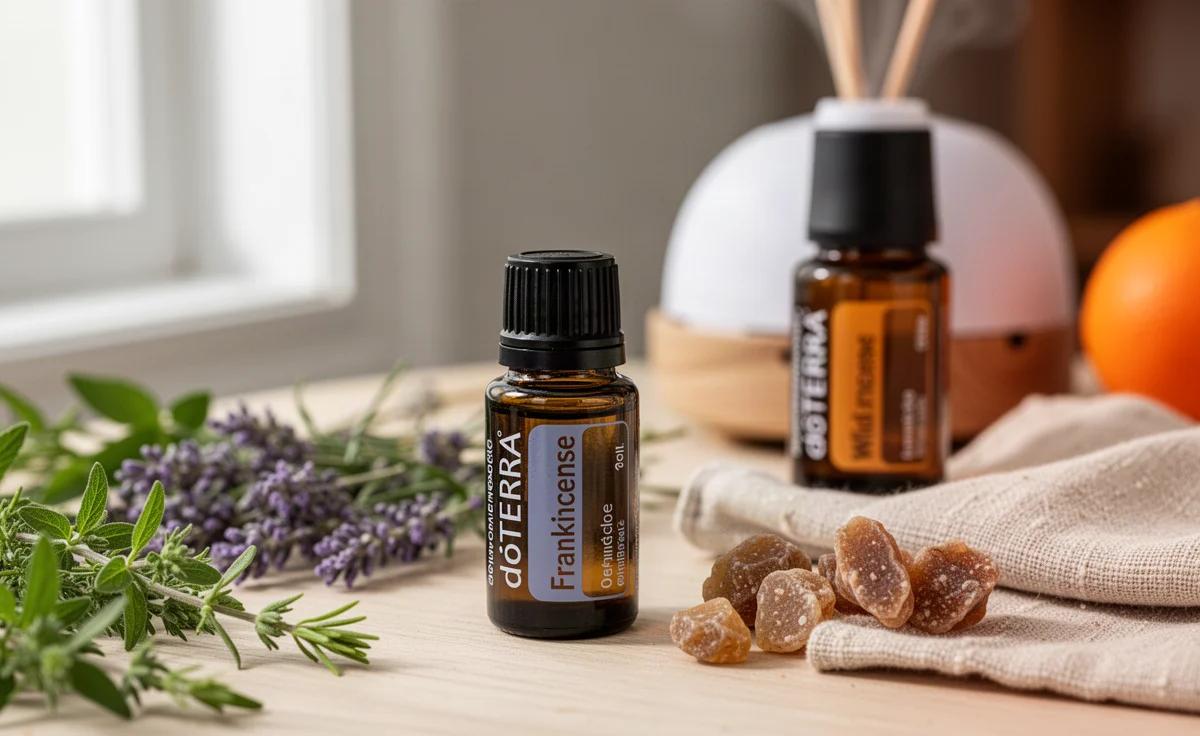
You have probably seen the price tag and paused. Frankincense is one of the most expensive essential oils in any catalog, and doTERRA sits at the higher end. The short answer: yes, doTERRA frankincense oil is worth it if you want a reliably sourced, thoroughly tested frankincense from Boswellia carterii, frereana, and sacra trees, with full batch transparency. It is not worth it if you only want a pleasant scent and do not care about sourcing details or purity verification. The value depends on what you actually plan to do with it.
What You Are Actually Paying For
Frankincense resin has been traded for thousands of years, and it still requires careful harvesting. The resin is tapped by hand from trees growing in dry, harsh regions of Somalia, Oman, and Ethiopia. Each tree produces a limited amount, and the resin is then steam-distilled. That labor and low yield explain the base cost before a brand even touches it.
doTERRA adds a few layers. The company works directly with harvesting communities and co-ops, which supports sustainable collection practices and fair sourcing. It also runs every batch through its CPTG testing protocol. CPTG is doTERRA's internal purity standard covering contaminant screening, adulteration checks, and chemical composition analysis. You will not find that level of batch-specific detail from a generic health store bottle.
We have compared the two most common forms people buy. Here is how they stack up:
| Factor | Frankincense | Frankincense Touch |
|---|---|---|
| Format | Pure essential oil | Pre-diluted roll-on |
| Best for | Diffusion, custom blends, massages | Quick, mess-free skin application |
| Flexibility | High, you control dilution | Low, fixed 10% dilution |
| Price per ml | Higher | Lower upfront |
| Learning curve | Requires dilution knowledge | Beginner friendly |
Where Frankincense Earns Its Place
Frankincense is not a single-purpose oil. What makes it worth the investment is how many routines it fits into.
Here is how many experienced users incorporate it:
- Morning diffusion: 3 drops of frankincense with 2 drops of Wild Orange in 100 ml of water for 30-45 minutes. It grounds a busy room without being heavy.
- Skin support: 1 drop diluted at 1% in 5 ml of jojoba oil (a liquid wax that does not clog pores or go rancid) for the face. Frankincense has been studied for its soothing properties on occasional skin irritation.
- Stretch mark and scar care: 2 drops in 5 ml of fractionated coconut oil (2% dilution) massaged into the area. Many people pair it with Helichrysum for this purpose, though that raises the total cost considerably.
- Quiet evening blend: 2 drops frankincense, 2 drops Lavender, and 1 drop Cedarwood. This is one of the most popular combinations among long-time users.
A common comparison is with Copaiba, which costs significantly less per bottle. Copaiba is sweeter and woodier, and many people use it in similar soothing blends. If budget is tight, copaiba covers some of the same ground. But frankincense offers a more complex, resinous profile that Copaiba cannot replicate.
The Honest Drawbacks
No fair review skips the cons, and frankincense has them.
First, the price. Oils like frankincense and Sandalwood sit at the premium end of the catalog. If you only diffuse occasionally, a cheaper resinous oil like Vetiver or Patchouli may scratch the same earthy itch.
Second, the scent is not for everyone. Frankincense is dry, balsamic, and slightly green. Some people describe it as medicinal or churchy. If you prefer bright citrus or sweet florals, frankincense will not be your daily reach.
Third, it demands a little education. Using it properly means measuring drops and choosing carriers. For skin use, we recommend jojoba for the face and fractionated coconut oil for the body. Phototoxicity is not a major concern with frankincense, but patch testing a 1% dilution on your inner elbow and waiting 24 hours is still wise before regular use.
Match the Drop Count to the Job
One of the most common mistakes with frankincense is treating it like a cheap oil and adding "a few drops" without measuring. Because each drop carries real cost, sloppy dosing wastes money fast. A 30 ml bottle at a typical 1 drop per 0.05 ml yields roughly 600 drops, so every drop you pour carelessly is value lost. For diffusion, three drops genuinely fills a standard room; adding six does not make the effect twice as strong. For skin blends, use a dropper or the bottle's orifice reducer rather than free-pouring. If you are new to the oil, a good habit is to plan your week's uses in advance: two diffuser sessions, one facial blend, one massage blend. You will find a single 15 ml bottle lasts far longer than you expect when measured properly.
Buy the Smallest Bottle First
Another frequent misstep is committing to the 15 ml bottle before you know whether you like the scent, or whether it fits your routine. Frankincense is polarizing, and buying large before testing is how people end up with an expensive bottle gathering dust. The Touch roll-on is a practical "trial size" for skin use, and 5 ml bottles appear in doTERRA's introductory kits. Sample one of those first, or borrow a few drops from a friend who already owns it. If you fall in love, you can move to the larger size with confidence. This single habit prevents the most expensive mistake in essential oil buying: paying premium prices for a bottle you never finish.
Related reading
Frequently Asked Questions
Is doTERRA Frankincense oil worth it? It depends on what you value: doTERRA emphasizes sourcing, purity testing, and a large affiliate community, which some people find worth the higher price. If those factors don't matter to you, a cheaper frankincense oil may suit your needs just as well.
How is doTERRA Frankincense different from other frankincense oils? doTERRA markets its frankincense as a blend of several Boswellia species and publishes batch testing information through its sourcing program. Other brands may use a single species or offer less transparency, so compare labels and testing details before deciding.
Can I buy doTERRA Frankincense without becoming an affiliate? Yes, doTERRA sells to retail customers, though the price is higher than the wholesale rate available to affiliates. You can also buy through an existing affiliate if you prefer not to set up your own account.