Eucalyptus Oil Steam for Blocked Noses
Discover how eucalyptus oil helps clear congestion, the best ways to use it, safety tips, and which doTERRA oils complement it. A practical guide with clear.
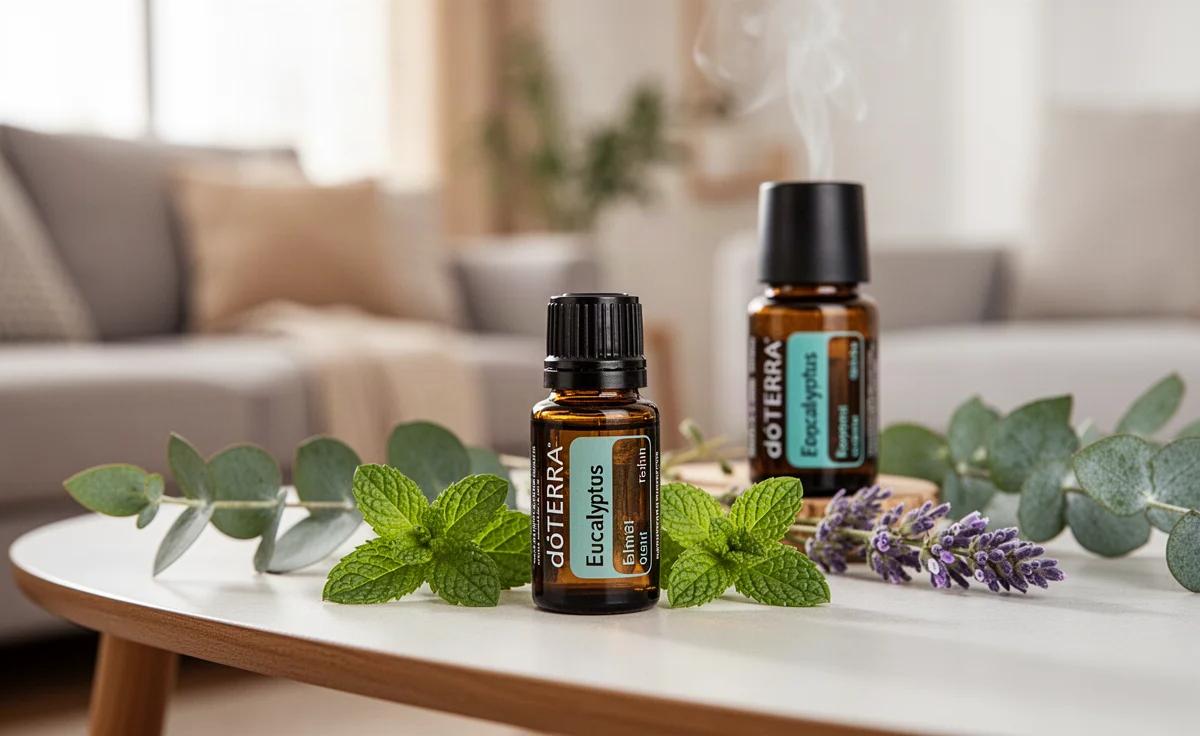
By Essential Synergy Team — Wellness Advocates & doTERRA enthusiasts
Your head feels heavy, your nose is blocked, and breathing through your chest takes effort. Eucalyptus oil is one of the most popular natural options for exactly this, and the short answer is that it works by filling the air with a sharp, clearing vapour that helps open up the feeling of tight airways. You can use it in a diffuser, a hot bowl of steam, or diluted on the chest. It pairs especially well with peppermint and tea tree. We recommend keeping a bottle in your winter wellness kit.
Why Eucalyptus Oil Stands Out
Not all eucalyptus oils are the same, and the species matters more than most people realise. The one you want for congestion is Eucalyptus globulus, sometimes called blue gum. Its leaves are rich in 1,8-cineole, the component that gives eucalyptus that cool, camphor-like smell and the sensation of easier breathing. doTERRA's Eucalyptus is sourced from this species.
What we recommend most often is combining eucalyptus with Peppermint for a stronger clearing effect. The menthol in peppermint adds a different kind of coolness that complements eucalyptus well. If you are deciding between the two, our article on peppermint oil vs eucalyptus oil for congestion breaks down the differences.
How to Use Eucalyptus Oil for Congestion
There are three practical methods, and each suits a different situation.
1. Diffuser Method
Add 3-5 drops per 100 ml of water to your diffuser and run it for 30-45 minute intervals. Keep the room ventilated. This is the easiest approach for daytime congestion or overnight use, though we suggest turning the diffuser off after 45 minutes rather than running it continuously.
2. Steam Inhalation
Boil water, pour it into a heatproof bowl, and let it cool for a minute. Add 1-2 drops of eucalyptus oil. Lean over the bowl with a towel over your head and breathe slowly for 5-10 minutes. Keep your eyes closed and your face at least 30 cm from the water.
3. Chest Rub
Dilute eucalyptus at 2-3%, which means 2-3 drops per 5 ml of carrier oil. Fractionated coconut oil works well here because it is light and absorbs quickly. Massage a small amount onto the chest and upper back. Do a patch test on your inner elbow 24 hours before the first use.
Eucalyptus vs Other Oils for Congestion
| Oil | Main sensation | Best method | Notes |
|---|---|---|---|
| Eucalyptus | Cool, sharp, clearing | Diffuser or steam | Strong on its own; pairs well |
| Peppermint | Cold, mentholated | Chest rub or diffuser | Keep away from small children |
| Tea Tree | Fresh, medicinal | Diffuser | Gentler than eucalyptus |
| Breathe blend | Herbaceous, airy | Diffuser or chest rub | Ready-made combination |
For a broader look at natural options, see our guide to essential oils for sinus congestion.
If you prefer a pre-made blend, doTERRA's Breathe includes eucalyptus along with peppermint, tea tree, lemon, and cardamom. Many people find it more convenient than mixing their own. The Breathe Touch version comes pre-diluted in a roller bottle, which removes the guesswork for chest application.
Safety Guidelines
Eucalyptus is strong, so a few rules matter. Do not apply it undiluted to skin. Do not use it on children under 2 years old, and keep it away from the face of small children even when diffused, because the 1,8-cineole can be intense for young airways. If you have epilepsy, eucalyptus is traditionally on the list of oils to avoid; speak with a health professional first.
For diffusing with pets in the home, keep the room open and make sure the animal can leave freely. For cats specifically, eucalyptus is one to avoid even diffused.
Other oils that support a comfortable breathing routine include Tea Tree, Lemon, and Rosemary, each bringing a different layer of freshness to a diffuser blend.
Mixing Blends That Actually Work
A common mistake is adding too many oils at once, which muddies the scent and makes it hard to tell what is helping. Start with a simple two-oil base: 3 drops eucalyptus and 2 drops peppermint in the diffuser. Once you know how that feels, add a third oil such as tea tree or lemon. Keep a written note of each blend and the ratio, because it is easy to forget what worked. For a chest rub, blend the same oils into 5 ml of carrier oil rather than layering them on the skin separately.
Mistakes to Avoid During Steam Inhalation
The biggest error is adding drops to water that is still at a rolling boil. The volatile compounds flash off before you get your head over the bowl, and the rising steam is hot enough to scald. Let the water sit for a full minute first. Another common slip is breathing through the mouth with the face too close; keep the towel loose so fresh air mixes in, and pull back if your eyes sting. Five minutes is usually enough. If you feel lightheaded, stop and sit upright in open air.
Timing Your Sessions
Congestion tends to be worst in the early morning and at bedtime, so those are the two windows worth targeting. Diffuse for 30-45 minutes while you get ready, then again as you wind down. Avoid running a diffuser all night in a closed bedroom; a short session before sleep is gentler on the airways and the room.
FAQ
How many drops of eucalyptus oil should I put in a diffuser?
Use 3-5 drops per 100 ml of water. Diffuse for 30-45 minutes at a time in a ventilated room, not continuously.
Can I put eucalyptus oil directly under my nose?
No. Eucalyptus is potent and can irritate sensitive skin. Dilute it to 1-2% in a carrier oil and apply to the chest or upper back instead.
This content is for general information only and is not medical advice. Essential oils are not intended to diagnose, treat, cure, or prevent any disease; consult a qualified healthcare professional before use.