doTERRA Tea Tree Oil for Toenail Fungus and Foot Care
Wondering how doTERRA Tea Tree fits into a foot care routine? Learn safe dilution, a step-by-step daily habit, and when to see a professional.
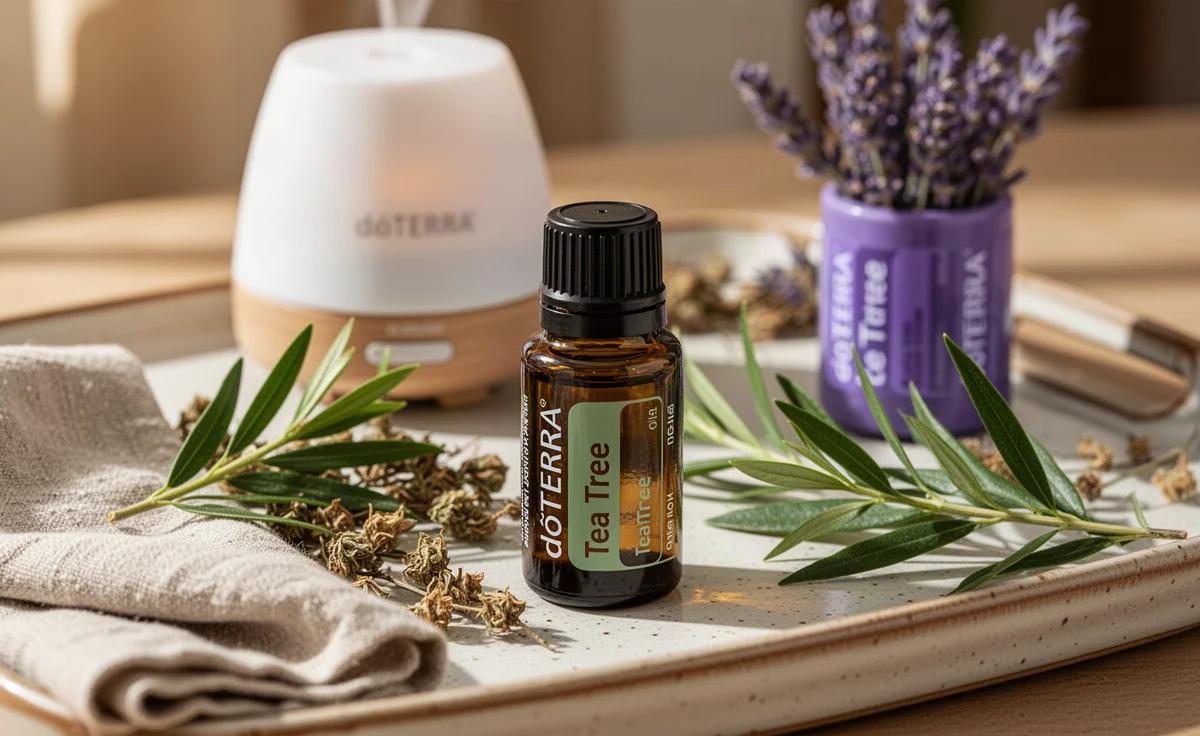
By Essential Synergy Team — Wellness Advocates & doTERRA enthusiasts
You peel off your socks after a long gym session and notice that familiar itch between your toes. It is the kind of moment that sends people straight to the essential oil shelf. Here is the honest answer: doTERRA Tea Tree is one of the most popular oils for everyday foot care, valued for its fresh, medicinal-smelling aroma and its traditional use in cleansing routines. It is not a treatment for any condition, and it will not replace advice from a podiatrist or doctor. What it can do is support a consistent, tidy foot care habit when you dilute it properly, keep your feet dry, and pair it with good hygiene. The sections below cover how to use it safely, what to combine it with, and when to stop experimenting and get professional help.
Why Tea Tree Became a Foot Care Favorite
Tea Tree comes from the leaves of Melaleuca alternifolia, an Australian plant with a long history in traditional wellness. In our experience, readers reach for it first because its scent reads as "clean" and its texture blends easily into carrier oils.
Feet, however, are demanding territory. They spend hours in warm, enclosed shoes, which is why consistency matters more than any single product. If you are curious about the oil's wider uses, our article on Tea Tree oil for acne and blemishes shows how the same dilution principles apply to facial skin.
Choosing Your Supporting Oils
Tea Tree rarely works alone in a good foot routine. Here is how it compares with other oils people often pair with it:
| Oil | Aroma | Role in a foot routine |
|---|---|---|
| Tea Tree | Fresh, medicinal | Core cleansing oil for daily care |
| Lavender | Soft, floral | Soothes the look and feel of tired skin |
| Peppermint | Cool, minty | Cooling sensation after a long day |
| Oregano | Herbal, intense | Strong oil, suited only to very small, well-diluted use |
| Frankincense | Woody, resinous | Skin-supportive addition for dry, rough heels |
A word on Oregano: it is a "hot" oil that can sting even when diluted, so beginners should start with Tea Tree and add anything stronger cautiously.
A Simple Daily Foot Routine
Dilution comes first. For adults, a 2% blend (about 2 drops of oil per 5 ml of carrier) suits feet well. For sensitive skin, drop to 1% (1 drop per 5 ml). Fractionated coconut oil is a good carrier here: it is light, stable, and will not stain your socks.
- Wash and dry thoroughly. Pay special attention to the spaces between toes, where moisture lingers.
- Patch test first. Apply one diluted drop to your inner elbow and wait 24 hours before using it on your feet.
- Mix your blend. Combine 2 drops of Tea Tree with 5 ml of fractionated coconut oil.
- Apply a thin layer to the skin around and between your toes, and around the nail edges. Skip any cracked or broken skin.
- Let it absorb before putting on clean, dry cotton socks.
- Repeat once or twice daily and rotate your shoes so they dry fully between wears.
Pairing the oil with habits like moisture-wicking socks and open footwear at home does far more than the oil alone. For a deeper look at everyday wellness blends, see our guide on doTERRA oils for cleaning recipes, which includes ideas for keeping shower floors and shoe racks fresh.
Safety Notes Worth Taking Seriously
Tea Tree is potent, so respect it. Never apply it undiluted to the skin, and keep it away from eyes and mucous membranes. Do not ingest it. If you notice redness, burning, or swelling, stop using it and wash the area with a mild soap and plain carrier oil. Pregnant or nursing readers, children, and anyone on medication should check with a healthcare professional first. Keep bottles away from pets, as Tea Tree can be harmful to cats and dogs. For general background on skin and nail health, the National Institutes of Health is a reliable place to start.
FAQ
Can I use Tea Tree oil on my toenails every day? Many people use a diluted blend once or twice daily as part of a foot care routine. Always dilute to 1-2%, and pause if you notice any irritation.
Will Tea Tree oil cure toenail fungus? No. Essential oils are not intended to diagnose, treat, or cure any condition. If your nails are thick, discolored, or painful, see a podiatrist or doctor for proper guidance.
Is it safe to add Tea Tree to a foot soak? Oils do not dissolve in water, so mix a few drops with a tablespoon of carrier oil or Epsom salts first, then add to warm water. Keep the soak short and dry your feet well afterward.
How long before I notice a difference in how my feet feel? Skin comfort and freshness often improve within a week or two of consistent hygiene and dry-foot habits, but individual results vary widely.
Conclusion
Tea Tree can be a pleasant, fresh-smelling part of a consistent foot care routine when it is diluted and applied with common sense. Pair it with dry socks, rotating shoes, and professional advice for anything persistent.
This content is for general information only and is not medical advice. Essential oils are not intended to diagnose, treat, cure, or prevent any disease; consult a qualified healthcare professional before use.
Explore doTERRA essential oils