Tea Tree Oil for Acne and Blemishes, What Works
Learn how tea tree oil helps with acne and blemishes, how to use it safely, and which doTERRA products make the best pairing for clearer skin.
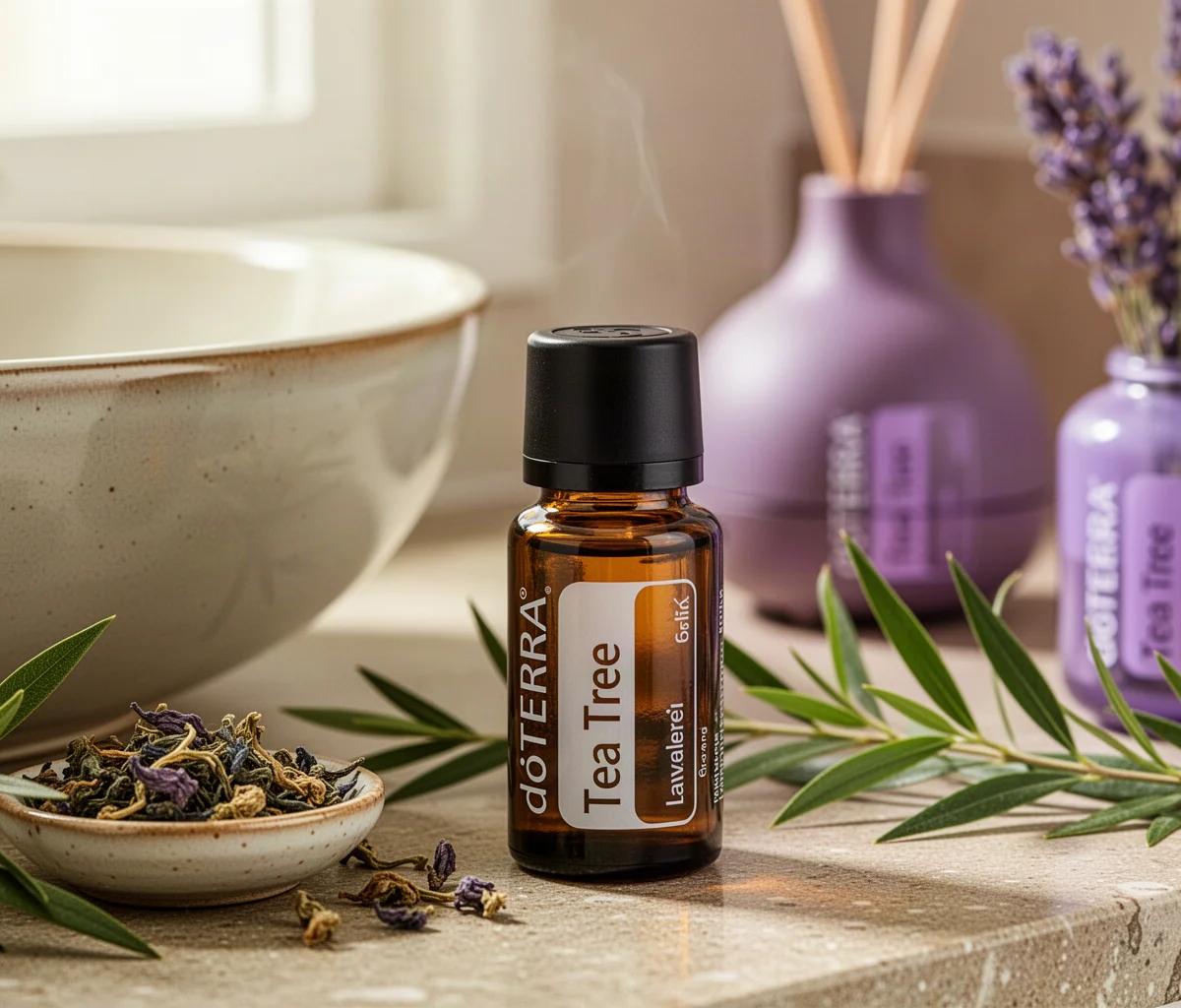
By Essential Synergy Team — Wellness Advocates & doTERRA enthusiasts
You wake up, glance in the mirror, and there it is: a fresh red bump that was not there last night. Before reaching for the strongest chemical spot treatment, know this. Tea tree oil is one of the most studied essential oils for reducing the appearance of acne and blemishes. Its natural cleansing properties help calm the look of irritated skin, and when diluted properly, it can complement your existing skincare routine without the tight, dry feeling many conventional options leave behind. The key is using it correctly: always diluted, always patch-tested, and always alongside a gentle, consistent routine. In this guide, we cover what makes tea tree oil helpful for blemish-prone skin, how to use it safely, what to pair it with, and the mistakes that can make things worse.
Why Tea Tree Oil Works for Blemish-Prone Skin
Tea tree oil, distilled from the leaves of Melaleuca alternifolia, contains naturally occurring compounds that help keep skin looking clear and balanced. Research published on PubMed suggests its cleansing properties are comparable to some conventional benzoyl peroxide products for mild blemish concerns, but with a different skin feel that many people find gentler over time.
What makes it particularly useful for acne-prone skin is its versatility. A few drops can be blended into a cleanser, diluted into a carrier oil, or added to a clay mask. The doTERRA Tea Tree oil undergoes doTERRA's CPTG testing process, which verifies purity and potency before it reaches your shelf. In our experience, that consistency matters when you apply the same oil to your face daily.
| Skin Concern | How Tea Tree Helps | Best Application |
|---|---|---|
| Occasional blemish | Cleansing support on targeted areas | Diluted spot treatment |
| Oily-looking T-zone | Helps balance the look of excess shine | 1-2 drops in gentle cleanser |
| Post-blemish marks | Supports a smoother, more even appearance | Blended with lightweight carrier oil |
| Overall congestion | Purifying and refreshing | Weekly clay mask booster |
How to Use Tea Tree Oil for Acne Safely
Follow these steps to get the benefit without irritation.
- Choose a gentle carrier. Mix 1 drop of Tea Tree with 4-5 drops of jojoba, argan, or fractionated coconut oil. Most people do better with a more diluted start.
- Patch test first. Apply a tiny amount behind your ear or on your inner forearm. Wait 24 hours. If no redness or warmth appears, proceed.
- Apply only to problem areas. Use a clean cotton swab, not your fingers, to dab the mixture directly onto blemishes. Avoid the eye area entirely.
- Use once daily at first. Gradually increase to twice daily only if your skin tolerates it well. More is not better with essential oils.
- Follow with a light moisturizer. Keeping skin hydrated actually helps reduce the look of excess oil production.
What to Pair With Tea Tree Oil
Tea tree works best as part of a small, consistent team rather than a solo act. Lavender offers a soothing counterpoint when your skin looks red or reactive. A drop each diluted together creates one of the best beginner-friendly blends for facial use.
For deeper nourishment alongside your blemish routine, many people add Frankincense. Its reputation for supporting skin texture and tone has made it a staple in natural skincare, and it blends beautifully with tea tree's fresh, camphoraceous scent. We covered frankincense's skin benefits in more detail in our Frankincense Oil Benefits for Skin and Immunity guide.
If you prefer a pre-blended option, HD Clear combines tea tree with other botanicals selected for blemish-prone complexions. Purify is another blend worth knowing, designed for cleansing and refreshing both skin and surfaces.
For post-blemish care, Helichrysum and Geranium are frequently recommended by doTERRA enthusiasts for maintaining a smooth, even-looking complexion.
Common Mistakes That Worsen Blemishes
Undiluted tea tree oil applied directly to skin is the most common error we see. Essential oils are concentrated botanical extracts, and Tea Tree is potent. Always dilute.
Overuse is the second issue. Applying tea tree to large areas of the face multiple times a day can trigger the exact dry, irritated look you wanted to avoid. Start small, stay consistent, and track how your skin responds.
Frequently Asked Questions
Can I apply tea tree oil directly to my acne?
No, always dilute tea tree oil with a carrier oil, such as jojoba or coconut oil, before applying to skin to avoid irritation.
How long does it take to see results with tea tree oil on blemishes?
Consistent daily use may show improvement within a few weeks, but individual results vary based on skin type and severity.
Should I use tea tree oil as a spot treatment or all over my face?
It’s best used as a spot treatment on individual blemishes, not as a full-face moisturizer, to minimize potential irritation.