Calming Effects of doTERRA Lavender for Restless Nights
Discover how doTERRA Lavender Oil supports calm and restful nights. Practical tips, dilution guidance, and safe routines for anxiety-prone moments.
By Essential Synergy Team — Wellness Advocates & doTERRA enthusiasts
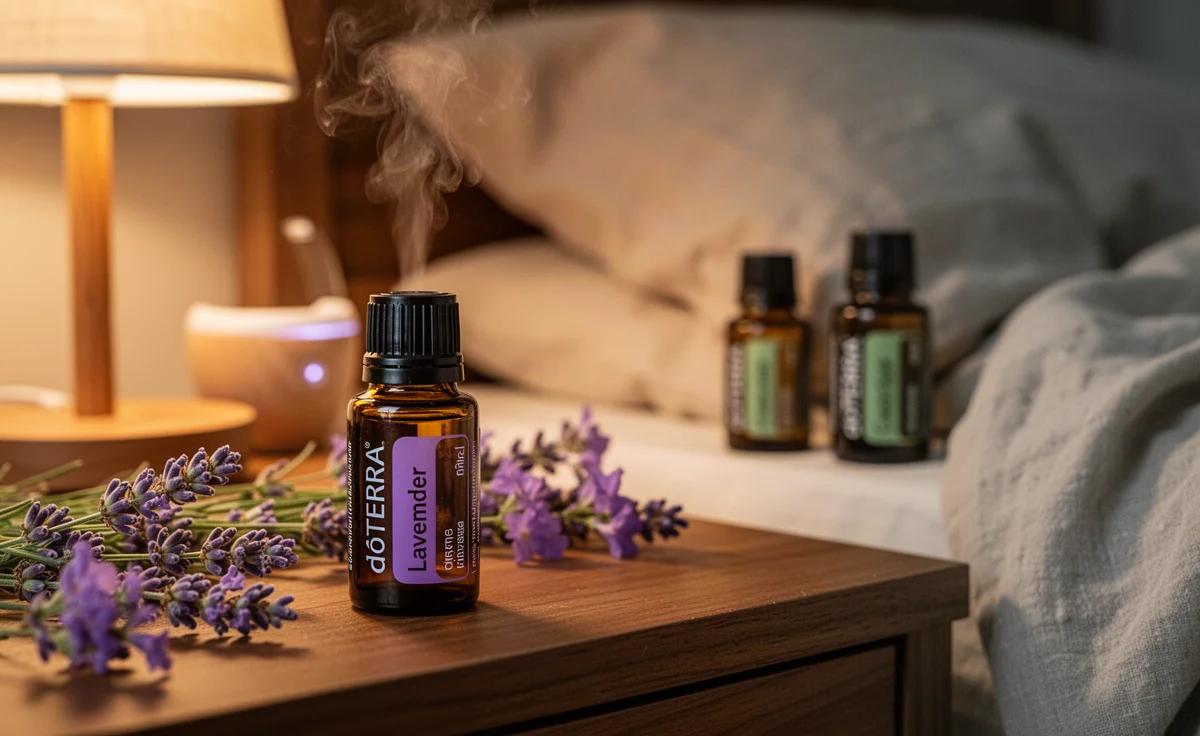
Your heart is still racing from a day of back-to-back calls, and now you are staring at the ceiling wondering if sleep will ever come. That is the moment a small dark bottle on your nightstand earns its keep. The direct answer: doTERRA's Lavender essential oil is one of the most approachable tools for creating a calmer evening atmosphere and a steadier pre-sleep routine. It will not treat an anxiety disorder, and it is not a sleeping pill. What it does well is give your nervous system a familiar, grounding signal that the day is winding down. The value sits in repetition, not in a single dramatic drop.
Why Lavender Works for Calm Evenings
Lavender's reputation for relaxation is not a marketing invention. Research published through the National Institutes of Health has explored how inhaled lavender influences relaxation and sleep quality in various settings. The findings are modest but consistent: people exposed to lavender scent often report feeling more at ease and drift off more readily. Aromatherapists and wellness advocates have leaned on that same observation for decades.
The botanical detail matters here. True lavender, Lavandula angustifolia, carries a soft, sweet, slightly herbaceous profile that most people find agreeable. Its close relative, spike lavender (Lavandula latifolia), contains far more camphor and smells sharper and more medicinal. doTERRA's Lavender oil comes from Lavandula angustifolia, which is why it works as a general evening companion rather than a nasal wake-up call.
Our experience with doTERRA oils points to one consistent lesson: lavender succeeds because it is predictable. The scent is familiar, gentle, and rarely polarizing. Unlike Clary Sage, which some find heavy, or Ylang Ylang, which can feel intense in large doses, lavender sits in the middle. That reliability is exactly what a nightly routine needs.
Comparing Lavender to Other Calming Oils
Not every calming oil suits every person or every moment. This table compares lavender with three other oils we recommend for evening use.
| Oil | Aroma Profile | Best For | Watch Out For |
|---|---|---|---|
| Lavender | Soft, sweet, floral | General relaxation, sleep routines | None significant |
| Roman Chamomile | Warm, apple-like, delicate | Sensitive users, children over 2 | Higher cost per drop |
| Cedarwood | Woody, warm, grounding | Feeling scattered or unanchored | Strong scent for small rooms |
| Vetiver | Deep, earthy, smoky | Restless minds, end-of-day heaviness | Polarizing aroma |
For most people starting out, lavender remains the default choice. It is affordable, versatile, and blends well. When someone asks us what to try first, lavender is almost always the answer.
A Simple Evening Routine with Lavender
Consistency matters more than quantity. Here is a numbered routine we suggest for winding down naturally.
Set the timing. About 30 to 45 minutes before bed, add 3 to 4 drops of Lavender to your diffuser with 100 ml of water. Run it for 30 minutes in a ventilated room, then switch it off. The goal is a cue, not an all-night fog.
Pair the scent with a quiet action. While the diffuser runs, do something repetitive and non-digital: fold a blanket, write tomorrow's list, stretch gently. Your brain starts associating lavender with the transition away from screens and noise.
Use touch if you want more. For a body application, dilute to 2 percent: that is 2 drops of Lavender in 5 ml of a carrier oil such as fractionated coconut oil. Massage it into forearms or the back of the neck. Avoid the face at this concentration.
Keep the routine boring. Same drops, same time, same sequence. The conditioning effect builds over two to three weeks. One occasional drop will not create a habit.
A related read we published on lavender oil for stress relief and sleep goes deeper into the science and applications if you want more background.
Safety Notes That Actually Matter
Lavender is among the gentler essential oils, but diligence still applies. A patch test is worth doing before the first full application: one diluted drop in the inner elbow, wait 24 hours, check for redness or itching. Under two years old, skip essential oils on the skin entirely. For diffusion around children, use 3 drops per 100 ml, keep sessions to 30 minutes, and never run the diffuser in a closed room with a sleeping infant.
You can learn more about the general research landscape on aromatherapy and sleep from the National Institutes of Health. If you are pregnant, nursing, or managing a diagnosed anxiety condition, consult your healthcare provider before introducing any new aromatic routine. Essential oils support atmosphere and ritual; they do not replace professional care.
Related reading
Frequently Asked Questions
How do I use doTERRA Lavender oil? It is commonly used aromatically in a diffuser or applied topically after diluting with a carrier oil. Follow the label directions and any guidance from your doTERRA sponsor.
Can I use doTERRA Lavender oil on my skin? Many people dilute it with a carrier oil such as fractionated coconut oil before applying it topically. If you have sensitive skin, do a small patch test first.
Where can I buy doTERRA Lavender oil? It is sold through doTERRA's website and through independent Wellness Advocates. Your sponsor can explain ordering options and how the Loyalty Rewards program works.
This content is for general information only and is not medical advice. Essential oils are not intended to diagnose, treat, cure, or prevent any disease; consult a qualified healthcare professional before use.