Best doTERRA Oils for Beginners and Daily Use
Discover the best doTERRA essential oils for beginners. Simple daily uses for home, energy, sleep and calm, with practical tips that work. A practical guide.
By Essential Synergy Team — Wellness Advocates & doTERRA enthusiasts
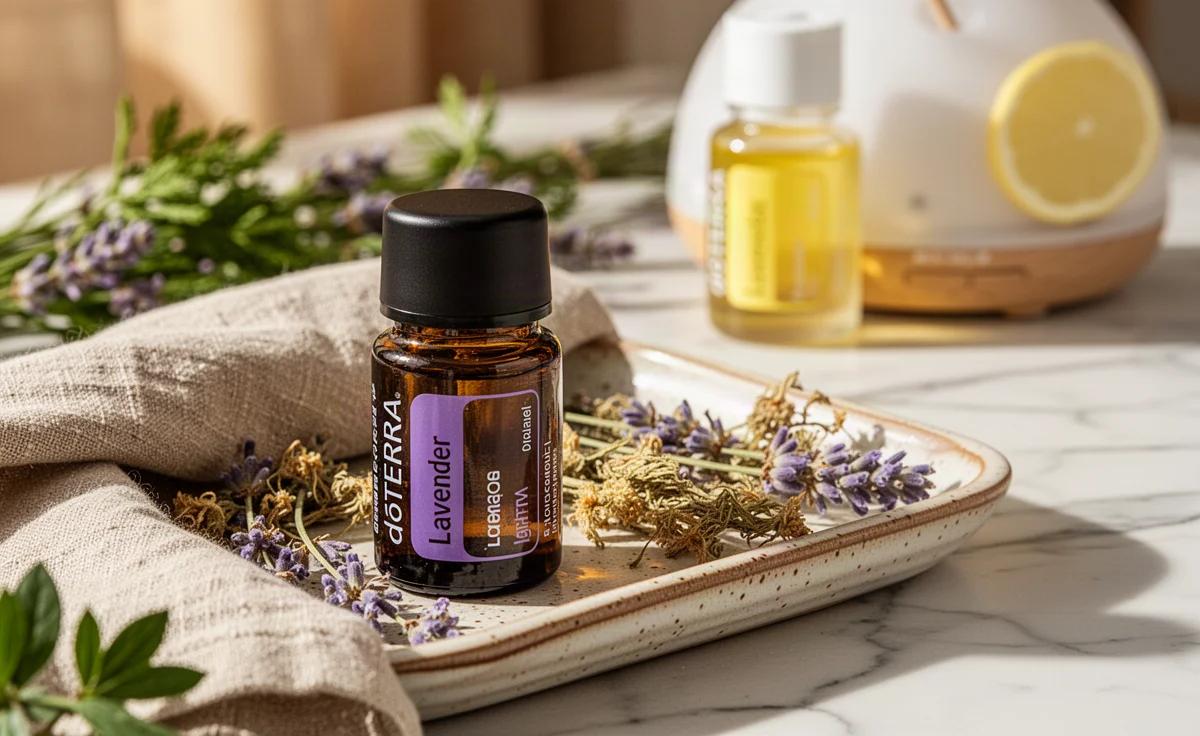
You open the box, unscrew a cap, and suddenly wonder: which oil do I actually use first, and what do I do with it? The answer is simpler than the shelf full of amber bottles suggests. Start with three or four versatile oils that cover daily moments: one for clean surfaces, one for winding down, one for a quick refresh, and one for calm focus. For most people, that means Lavender, Lemon, Peppermint, and a grounding blend like Balance. These four cover the moments beginners actually experience: a messy kitchen, a stuffy afternoon, a restless evening, and a busy workday.
Why These Four Oils Work for Beginners
Every beginner faces the same problem: too many options, not enough routine. A small set solves that. Each of these oils is forgiving to use, easy to diffuse, and blends well with others. If you want a slightly wider starter set, the Essentials Kit groups a similar lineup so you can test without overbuying. What we recommend most often is letting the oils show up in your existing routine rather than building a new one around them.
Here is the comparison we use when someone asks where to start:
| Oil | Best Moment | Simple Use | Good Partner |
|---|---|---|---|
| Lavender | Evening wind-down | One drop on the pillow | Serenity |
| Lemon | Morning reset | 2 drops in the diffuser | Wild Orange |
| Peppermint | Midday slump | Inhale from cupped hands | Rosemary |
| Balance | Transition moments | Apply to wrists before meetings | Adaptiv |
How to Build a Simple Daily Routine
The goal is not a ten-step ritual. It is three small moments that feel natural:
- Morning: Add 2 drops of Lemon to a diffuser while you make coffee. This one habit makes a room feel brighter and clears the mental fog of a slow start.
- Afternoon: Cup your hands, add one drop of Peppermint, and breathe in slowly twice. For a milder version with a softer edge, keep Breathe nearby and alternate days.
- Evening: After washing your face, rub one drop of Lavender between your palms and press them over your nose and jaw for three slow breaths. If you prefer a roll-on, Peace Touch is an easier no-fuss alternative.
In our experience, beginners who attach oils to existing cues (coffee, lunch break, bedtime) stick with them far longer than people who create a separate wellness hour.
Oils Worth Adding Next
Once you have used the first four for about two weeks, the next useful tier is Tea Tree for home cleaning and skin blemish moments, and On Guard for diffusing during the colder months. We link to a fuller walkthrough in our doTERRA beginner guide if you want to compare kits before choosing one.
A practical note on buying: membership on doTERRA is free to create and gives you the member price, which is 25% below retail. You do not need to buy a kit to join. Simply add any oil to your cart after registering. Some kits do offer good value, and the small annual membership fee is waived when your order passes 150 PV, but the basic path is just the oils you actually want. Research published on general essential oil safety reminds us that dilution and proper diffusion matter more than product quantity, and starting small keeps learning manageable.
Daily Dilution Mistakes to Avoid
The most common beginner error we see is using oils undiluted on skin simply because they can be, not because they should be. Even gentle oils like Lavender can cause sensitivity when applied neat repeatedly. A simple rule: when applying to wrists, neck, or temples, add one drop of oil to a dime-sized amount of unscented lotion or carrier oil like fractionated coconut oil. This does not weaken the aromatic benefit—it actually slows evaporation, extending the oil's presence.
Another frequent mistake is diffusing multiple new oils at once. Beginners often want to experiment, but pairing unfamiliar oils can create a muddled scent that makes it hard to tell which oil is doing what. Instead, diffuse one oil alone for a full week before introducing a second. This builds your olfactory memory, so you can recognize each oil's distinct profile and notice how your body responds.
One subtle error we see even with experienced users: placing a diffuser too close to electronics or upholstery. The fine mist settles on surfaces and can leave residue. Keep diffusers at least three feet from screens and use a coaster or tray underneath. High-quality oils do not leave sticky buildup, but low-quality or improperly stored ones can, and you will not notice until the damage is done.
Finally, do not store oils in direct sunlight or on bathroom counters where heat fluctuates. The amber glass protects against light, but repeated temperature shifts accelerate oxidation. A cool, dark cabinet is far better than a sunny kitchen windowsill, even if the bottles look better out on display.
Storage and Shelf Life for Long-Term Freshness
Most doTERRA oils retain potency for several years when stored correctly, but oxidation changes both aroma and effectiveness over time. The biggest enemy is not age—it is oxygen exposure. Every time you open the cap, air enters the bottle. This matters less for oils you use weekly, but for occasional-use bottles, consider decanting small amounts into a separate amber dropper bottle for daily access, leaving the original sealed until needed.
Citrus oils like Lemon oxidize faster than wood or herb oils, so these are the ones to prioritize using within 12-18 months of opening. Lavender and Peppermint are more stable, often holding well for three to five years. If an oil smells sharp, metallic, or noticeably different from when you opened it, trust your nose and replace it rather than forcing yourself to use a degraded product.
A practical tip: write the purchase date on the bottle bottom with a permanent marker. This sounds obvious, but we constantly meet users who cannot remember how long their oils have been sitting in a drawer. When you rotate seasonal oils like On Guard during colder months, this date lets you quickly decide whether to finish the bottle or start fresh. Storing bottles upright also minimizes surface area contact with the cap seal, reducing evaporation of volatile compounds over time.
Related reading
- doTERRA On Guard vs Thieves, Which Blend Wins
- doTERRA DigestZen Oil Review for Digestive Support
- doTERRA Essential Oils for Beginners Guide
Frequently Asked Questions
Which doTERRA oil is best for a complete beginner? Lavender is the best single-oil starting point because it is gentle, versatile, and fits easily into an evening routine. If you only buy one oil, start there.
How many oils should a beginner start with? Three to four oils cover most daily needs without overwhelming you. Lavender, Lemon, Peppermint, and Balance are the most practical starter set.