How to Use Essential Oils Safely at Home
Learn how to use essential oils safely at home with practical dilution, diffusion, and storage tips from experienced doTERRA wellness advocates.
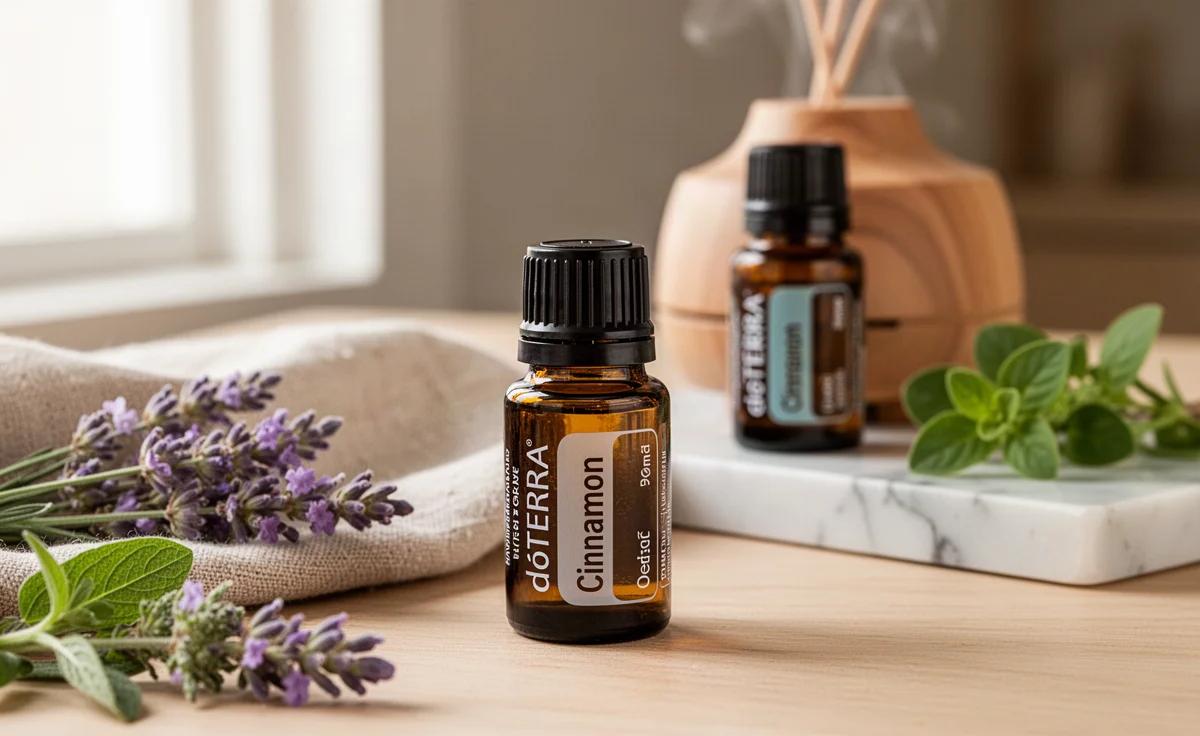
By Essential Synergy Team — Wellness Advocates & doTERRA enthusiasts
You just opened your first bottle of lavender, and the scent is beautiful. But before you put it on your skin, you pause and wonder: am I doing this right? The direct answer is that safe essential oil use comes down to three habits: dilute properly for topical use, follow sensible diffusion times, and store oils out of reach of children and pets. Most adverse reactions happen when someone overlooks one of those basics. This guide covers exactly how to build those habits at home, which oils we recommend most often for everyday use, and where new users tend to go wrong.
The Golden Rule: Dilute Before You Apply
Topical use is where most questions arise. Essential oils are highly concentrated plant extracts, and applying them undiluted to the skin can cause sensitivity or irritation. Our standard recommendation is one drop of essential oil per one teaspoon of carrier oil, such as fractionated coconut oil, jojoba, or sweet almond oil. For daily facial use or sensitive areas, go lighter: one drop per two teaspoons of carrier.
A few oils deserve extra care. Cinnamon Bark, Cassia, and Clove are known as hot oils and should always be diluted well. Oregano also falls into this category. Citrus oils like Lemon and Bergamot can cause photosensitivity, so avoid direct sun exposure on the application area for at least twelve hours after use.
In our experience, a skin patch test on the inner forearm is the smartest first step with any new oil. Apply a small diluted amount, wait twenty-four hours, and watch for redness or irritation.
How to Diffuse Without Overdoing It
Diffusion is one of the easiest ways to enjoy essential oils at home. Add three to five drops of oil to your diffuser with the recommended water amount, then run it for thirty to sixty minutes. Less is more: a longer session does not equal a better experience, and continuous diffusion can actually dull your sense of smell and irritate sensitive airways.
Good diffusion choices for shared spaces include Lavender for a calm evening, Wild Orange for a bright morning, and doTERRA Breathe when the air feels heavy. If you have pets, especially cats, diffuse in a room they can leave and never apply oils directly to animals without veterinary guidance.
Diffusion Quick Reference
| Oil or Blend | Best Time | Drops per Session |
|---|---|---|
| Lavender | Evening wind-down | 3-4 |
| Wild Orange | Morning or midday | 3-4 |
| Breathe | Stuffy, heavy air days | 4-5 |
| Balance | After work transition | 3-4 |
Storage and Handling Basics
Proper storage protects both the oil and your household. Essential oils should stay in dark glass bottles, tightly capped, away from direct sunlight and heat sources. A cool cupboard or drawer works better than a bathroom shelf near a steamy shower. Keep every bottle out of reach of children. If you have a toddler, treat oils like you would cleaning products: up high and ideally behind a latch.
Always wash your hands after handling oils, especially before touching your eyes or contact lenses. If an oil does get into an eye, flush with a carrier oil, not water, and seek medical advice if discomfort continues.
Step-by-Step: Safe Daily Use Routine
Here is the simple routine we walk new users through:
- Choose your purpose. Decide whether you want a calming, energizing, or fresh atmosphere.
- Pick one or two oils. Avoid blending more than a few oils at first so you learn how each one smells and feels to you.
- Dilute before topical use. Mix one drop of essential oil with one teaspoon of carrier oil.
- Diffuse for thirty to sixty minutes. Give your nose a break between sessions.
- Store properly. Tighten the cap and return the bottle to a cool, dark, child-safe spot.
- Observe how you feel. Note any skin sensitivity, headache, or sinus irritation, and adjust dilution or diffusion time next use.
If you want a solid starting set, the doTERRA Essential Foundations Kit includes several everyday oils in one box. For those curious about the broader basics of daily oil use, our guide on how to use doTERRA essential oils covers the methods in more depth.
Common Dilution Mistakes Even Experienced Users Make
Many people assume more carrier oil is wasteful, but skimping on it is the fastest route to skin irritation. A second common misstep is adding oils directly to a warm bath without first dispersing them in a carrier or full-fat milk—undiluted drops float on the surface and concentrate against your skin. Instead, mix your drops into a tablespoon of carrier oil, add that to the bathwater, and swish well before stepping in. Another hidden culprit is reapplying to the same spot multiple times a day; even a well-diluted oil can build up on sensitive areas like wrists or neck. Rotate application sites and give your skin a full day off from oils at least once a week.
Matching Oil Choice to Your Environment
Safety isn't just about how you apply oils—it's about where. In a nursery or bedroom where a baby sleeps, skip strong florals and spices entirely; opt for a single drop of lavender or roman chamomile in a diffuser for a short fifteen-minute cycle. For open-plan living areas with high ceilings, you'll need closer to the full five drops to feel any effect, whereas a small bathroom or walk-in closet requires only two. Before hosting guests, ask yourself if anyone present has asthma, allergies, or is pregnant—if so, choose milder oils like wild orange or frankincense and keep diffusion durations on the shorter side. Also, remember that oil residue settles on surfaces over time; wipe down diffuser exteriors weekly and avoid placing a diffuser directly on wooden furniture without a coaster.
FAQ
Can I apply essential oils directly to my skin without dilution?
It is not recommended. Even oils considered gentle can cause irritation on sensitive skin. Always dilute with a carrier oil, and patch test first.
Frequently Asked Questions
How should I dilute essential oils before applying them to my skin? Always mix essential oils with a carrier oil, like coconut or jojoba oil, using about 1–2 drops of essential oil per teaspoon of carrier oil for adults.
Can I ingest essential oils? Only ingest essential oils if they are specifically labeled as safe for dietary use and under the guidance of a qualified professional; otherwise, avoid swallowing them.
What is the best way to store essential oils at home? Keep them in dark glass bottles, tightly sealed, away from direct sunlight, heat, and out of reach of children and pets.