Essential Oils for Focus and Clear Thinking
Discover the best essential oils for mental clarity, concentration, and focus. Learn practical ways to use peppermint, rosemary, and more daily.
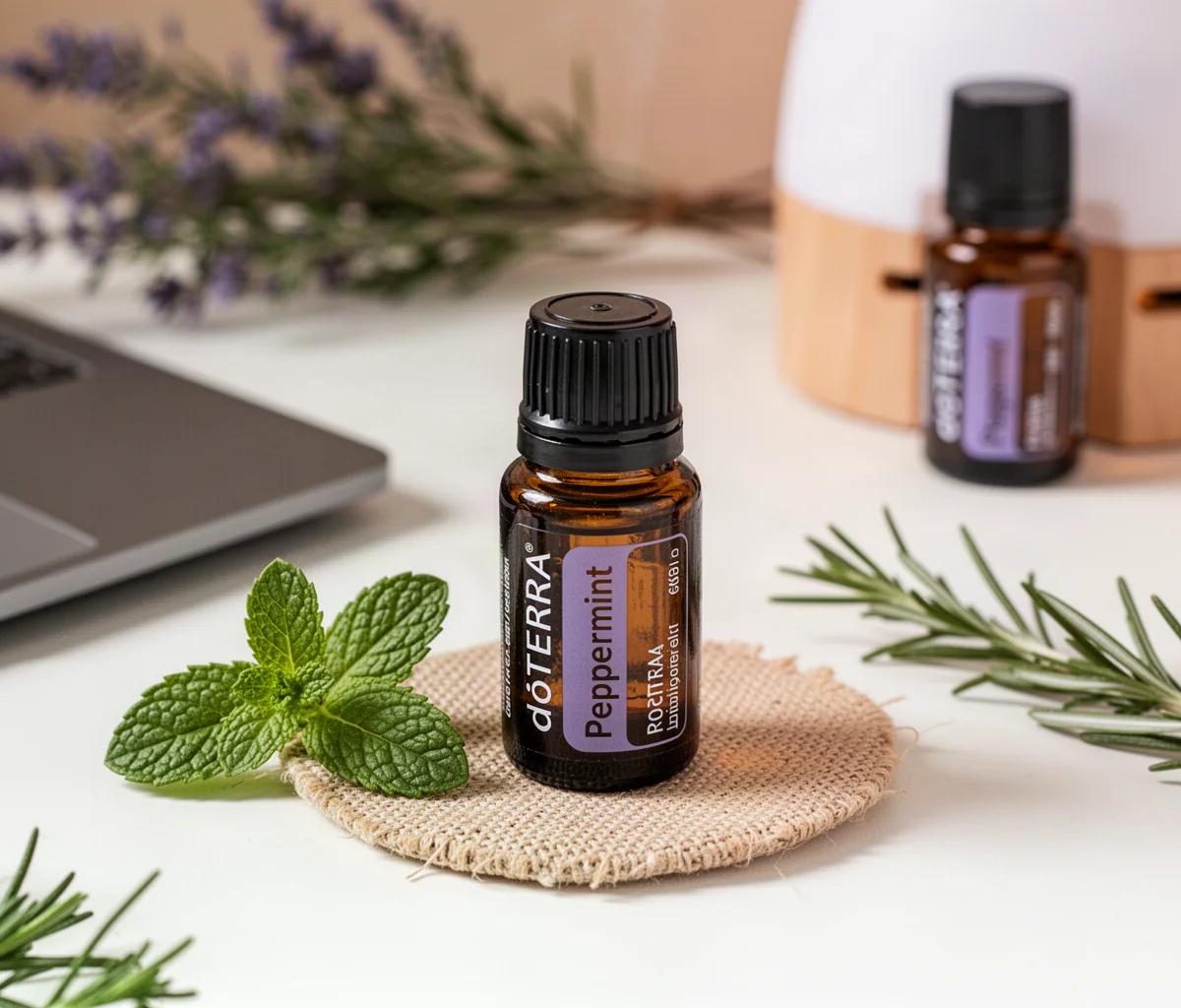
By Essential Synergy Team — Wellness Advocates & doTERRA enthusiasts
You sit down at your desk with a clear plan, and twenty minutes later you have answered three emails, reorganized a folder, and completely forgotten the task that mattered. That scattered feeling is familiar to most of us.
Essential oils offer a simple, aromatic way to create an environment that supports focus and concentration. The best oils for mental clarity include Peppermint, Rosemary, Wild Orange, and Lemon. Diffusing them while working, inhaling directly from the bottle, or applying a diluted drop to your wrists can help you feel more alert, present, and ready to tackle complex tasks. The key is consistency: your brain starts to associate a specific scent with work mode, which builds a useful focus ritual over time.
Why Aromatherapy Supports Concentration
When you inhale an essential oil, aromatic compounds travel through your olfactory system and interact with areas of the brain involved in alertness and emotional regulation. Research published by the National Institutes of Health suggests that certain plant aromas can influence cognitive performance and perceived energy levels. Aromatherapy does not change your brain chemistry the way medication would, but it can shape your environment and mindset. Read more about aromatherapy research at NIH.
The real benefit comes from pairing scent with routine. If you diffuse rosemary every time you sit down for deep work, the aroma becomes a cue. Your brain learns that this smell means focus time. That is a practical, research-supported habit.
The Best Essential Oils for Mental Sharpness
Different oils bring different qualities. Here is a comparison of the most useful oils for focus-related needs.
| Oil | Aroma Profile | Best For | How to Use |
|---|---|---|---|
| Peppermint | Sharp, cool, minty | Afternoon slumps | Inhale directly or diffuse |
| Rosemary | Herbal, camphor-like | Long study sessions | Diffuse during work blocks |
| Wild Orange | Sweet, bright, citrusy | Morning motivation | Diffuse or apply diluted |
| Lemon | Fresh, clean, zesty | Quick mental reset | Add to water or diffuse |
| Basil | Warm, spicy, green | Creative thinking | Diffuse in workspace |
| Cypress | Woody, grounding | Staying calm under pressure | Diffuse or apply diluted |
Beyond single oils, doTERRA blends combine several botanicals for a more complex effect. The Cheer blend pairs citrus and spice notes that feel uplifting and alert. In Tune was designed with focus in mind, blending amyris, patchouli, frankincense, lime, ylang ylang, and sandalwood. For a grounding counterpart to high-energy citrus oils, Balance works well when you need steady attention rather than stimulation.
A Simple Focus Ritual in 4 Steps
In our experience, oils work best when they are part of a repeatable routine. Here is the ritual we recommend most often.
- Set your intention. Before opening any bottle, write down the one task that needs your attention for the next 30 to 45 minutes.
- Choose one oil. Pick a single oil, not a mixture. Rosemary for deep analysis, Peppermint for energy, or In Tune for a balanced, steady focus.
- Diffuse or inhale. Add three to four drops to your diffuser, or place one drop in your palms, rub them together, and cup them over your nose for three slow breaths.
- Begin immediately. Do not check your phone. Start the task within 60 seconds of inhaling. The scent anchors the transition into focused work.
Related reading
Frequently Asked Questions
How do I use essential oils for focus?
Use a diffuser with a few drops of oil while working, or inhale directly from cupped hands for a quick pick-me-up.
Which essential oils are best for focus?
Commonly used options include peppermint, rosemary, and lemon, but you can blend them to suit your preference.
How often can I diffuse essential oils for focus?
Diffuse in 30- to 60-minute intervals with breaks in between to avoid olfactory fatigue and keep the effect fresh.