Essential Oils for Focus and Concentration
Discover the best essential oils for focus, mental clarity, and concentration. Learn practical application methods and doTERRA blends to support work and study.
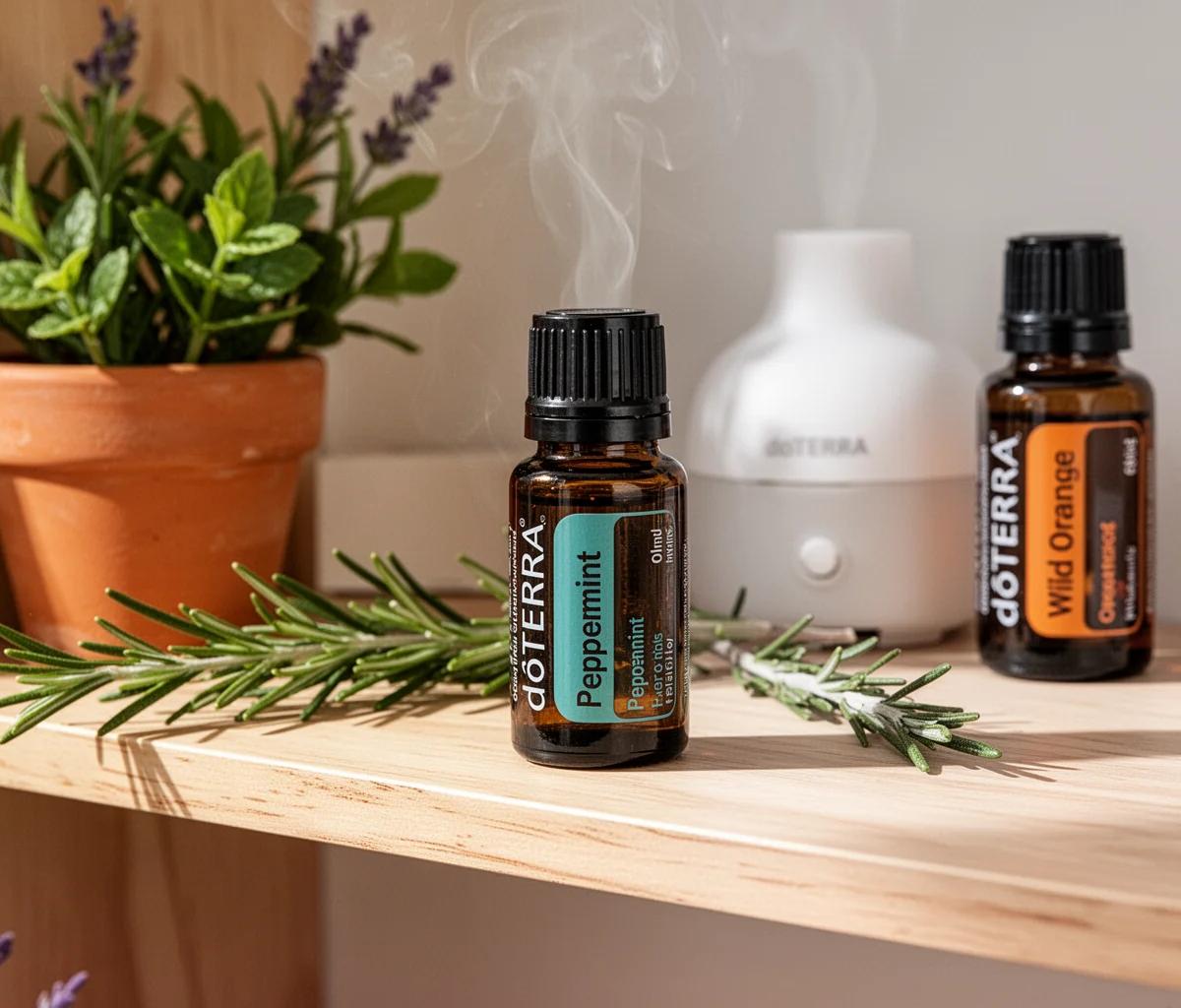
By Essential Synergy Team — Wellness Advocates & doTERRA enthusiasts
You sit down at your desk, coffee in hand, with a clear list of tasks. Thirty minutes later, you have reorganized your inbox, texted a friend back, and fallen down a rabbit hole of weekend plans, but the real work remains untouched. For many of us, the struggle to focus is a daily experience. The short answer is that certain essential oils can offer gentle, natural support for concentration and mental performance by creating an environment that feels clearer, more stimulating, and less scattered. Aromas like peppermint and wild orange are known for their invigorating and uplifting qualities, while grounding oils like frankincense help settle a racing mind. When used in a diffuser, applied topically, or inhaled directly, these oils can become a simple yet effective part of your focus toolkit, without the jitters or crash that often accompany high-caffeine solutions.
How Essential Oils Support Mental Clarity
The connection between scent and the brain is direct and immediate. When you inhale an aroma, the olfactory signals travel straight to the limbic system, the part of the brain that handles memory, emotion, and alertness. This is why a whiff of something sharp and fresh can instantly make you feel more awake.
For focus, we look to oils that are mentally stimulating, grounding, or both. Stimulating oils shake off brain fog and lethargy. Grounding oils anchor scattered thoughts. The most effective approach often combines one of each.
What we recommend most often is starting with a single oil you genuinely enjoy, then experimenting with simple combinations. Consistency matters more than complexity.
Top Essential Oils for Concentration
Here is a comparison of six standout oils for focus, each with a distinct aromatic profile and practical use.
| Essential Oil | Primary Benefit | Best For | Aroma Profile |
|---|---|---|---|
| Peppermint | Invigorating and awakening | Morning brain fog, long study sessions | Sharp, minty, cool |
| Wild Orange | Uplifting and cheerful | Creative blocks, afternoon slumps | Bright, sweet, citrusy |
| Rosemary | Memory and alertness | Reading, learning new material | Herbaceous, camphoraceous |
| Frankincense | Grounding and centering | Scattered thoughts, deep work | Warm, woody, resinous |
| Lemon | Purifying and refreshing | Stuffy rooms, midday refresh | Clean, zesty, bright |
| Spearmint | Gentle stimulation | Sensitive users, kid study areas | Mild, sweet, minty |
Research published on PubMed suggests that certain essential oil constituents can influence cognitive performance and subjective alertness levels in controlled aromatherapy studies. While more research is always welcome, the anecdotal and traditional use of these oils spans centuries.
Practical Ways to Use Focus Oils
There is no single right method. The best approach is the one you actually stick with. Here is a step-by-step guide to building a simple focus routine.
- Choose your main oil. Start with one from the table above that appeals to you. Peppermint is the most popular entry point. If you find peppermint too strong, Spearmint offers a milder alternative.
- Select your delivery method. A diffuser provides consistent, hands-free exposure. For targeted, quick support, open the bottle and inhale directly from cupped hands. This is remarkably effective right before a task.
- Add topical application for prolonged effect. Dilute one drop of your chosen oil with a carrier oil and apply to the back of your neck or wrists. The Balance grounding blend is excellent for this purpose, combining spruce, frankincense, and blue tansy for a centering aroma.
- Experiment with a two-oil blend. Once comfortable, try diffusing two drops of Lemon with one drop of Rosemary for a clean, herbaceous study blend. For deep creative work, pair Wild Orange with Frankincense.
- Attach the habit. Keep your chosen oil visible on your desk. When you sit down to work, the visual cue triggers the ritual: open, inhale, begin.
Ready-Made Blends for Effortless Support
If you prefer not to mix your own oils, doTERRA offers several proprietary blends that take the guesswork out of the equation.
The Adaptiv blend is specifically crafted to support feelings of calm and centered focus during moments of change or high pressure. It combines wild orange, lavender, copaiba, and spearmint in a balanced, versatile formula. For a rollerball option ideal for on-the-go application, Adaptiv Touch comes pre-diluted and ready to apply to pulse points.
Another favourite for workday productivity is the In Tune blend. Designed to support concentration, it features sandalwood, frankincense, lime, and patchouli. It is a grounding yet bright aroma that works well during detailed tasks like writing, coding, or data analysis.
For those who enjoy a more uplifting workspace, the Cheer blend combines citrus and spice notes for a sunny, encouraging atmosphere. Paired with the invigorating effects of Eucalyptus, the air feels open, clean, and conducive to clear thinking. In our experience, a diffuser running Cheer and eucalyptus in equal drops transforms a stuffy home office within minutes.
Related reading
- Essential Oils for Productivity at Work
- Best Essential Oils for Energy and Focus
- Essential Oils for Focus and Clear Thinking
FAQ
Can I use focus oils if I am sensitive to strong scents? Yes. Start with gentler oils like Spearmint or Wild Orange, and always diffuse fewer drops than a recipe suggests, one or two drops can be plenty. Alternatively, use a personal inhaler so the aroma stays contained to your immediate space.
How long should I diffuse focus oils? Intermittent diffusion works best. A 30-minute on, 30-minute off cycle prevents olfactory fatigue and maintains the oil's effectiveness. Continuous exposure often leads to you no longer noticing the scent.
Are these oils safe to use around children while studying? Some oils, like wild orange and spearmint, are generally considered gentle. Avoid strong oils like eucalyptus or peppermint around very young children and always ensure good ventilation. For school-age children, a brief diffusion before study time is often adequate.
What is the difference between Adaptiv and In Tune for focus? Adaptiv is designed for moments when scattered thoughts stem from feeling overwhelmed or unsettled. In Tune is more purely for mental clarity and task-oriented concentration. Many people keep both and use them depending on the root cause of their distraction.
Can I apply these oils directly to my wrists? Most essential oils should be diluted with a carrier oil like fractionated coconut oil before topical application. One drop of essential oil to four or five drops of carrier oil is a standard ratio. Rollerball blends like Adaptiv Touch come pre-diluted for safe, direct application.
Essential oils are a practical sensory tool for creating a focused environment. Whether you choose a single, sharp note like peppermint or a complex blend like In Tune, the key is consistent, intentional use. Find what smells productive to you, and make it part of your workspace rhythm.
This content is for general information only and is not medical advice. Essential oils are not intended to diagnose, treat, cure, or prevent any disease; consult a qualified healthcare professional before use.