doTERRA Lavender Oil for Anxiety and Stress Relief
Learn simple, practical techniques for using doTERRA lavender oil to ease anxiety and calm stress. Includes dilution ratios, diffusion tips, and safety notes.
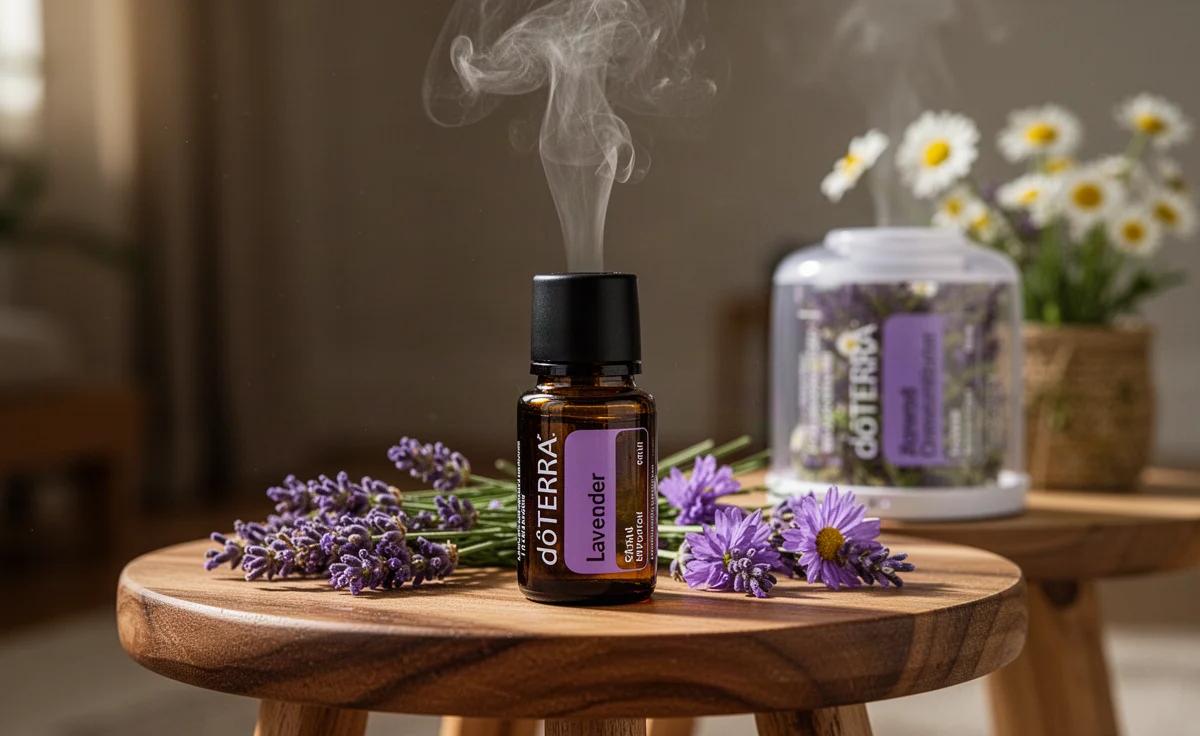
By Essential Synergy Team — Wellness Advocates & doTERRA enthusiasts
You have probably heard that lavender helps you relax, but the moment you hold the bottle you realize no one ever explained what to actually do with it. Here is the direct answer: doTERRA Lavender oil supports calm through simple, repeatable techniques. In our experience, the most reliable starting points are a 1% dilution (about 1 drop in 5 ml of carrier oil) applied to the inner wrists and neck, or 3 drops in 100 ml of water diffused for 30 minutes in a ventilated room. These are not miracles, and they are not instant sedatives. But woven into a wind-down routine or a midday reset, lavender oil can help shift the nervous system toward a more settled state.
Techniques That Actually Work
Applied topically, lavender works best at low concentrations. For the face, use a 1% dilution: 1 drop of lavender in 5 ml of jojoba oil. Jojoba is a liquid wax that does not clog pores or turn rancid quickly, which makes it the right carrier for facial use. For shoulders, neck, and back, a 2% dilution works well: 2 drops in 5 ml of fractionated coconut oil. Fractionated coconut is light, stable, and does not stain clothing, so it suits massage and after-shower application.
For diffusion, 3-5 drops per 100 ml of water is the practical range. Run the diffuser for 30-45 minutes in a ventilated room, then switch it off. Continuous diffusion saturates the olfactory system and adds nothing useful. If you are using lavender during a stressful work task or before bed, start at 3 drops and see how the room feels.
Here is a simple evening technique we recommend most often:
- In a small glass dish, combine 1 drop of Lavender with 5 ml of jojoba or fractionated coconut oil.
- Massage the blend into the inner wrists, behind the ears, and over the solar plexus.
- Inhale slowly through the nose for 30 seconds, then exhale longer than the inhale.
- Repeat the breathing for 2-3 minutes without checking your phone.
- Use this before sleep, not during a crisis. Consistency over intensity is the point.
If you are new to lavender, consider pairing it with other calming oils. A simple blend of 2 drops of lavender and 1 drop of Roman Chamomile in a diffuser creates a softer, sweeter atmosphere. Bergamot adds a bright, uplifting note but brings a photosensitivity warning: cold-pressed bergamot contains furocoumarins that can cause skin spots or burns if you expose the skin to sun within roughly 12 hours of application. Keep bergamot for evening use or diffusion only.
Comparing doTERRA Lavender with Other Calming Options
Not every calming oil suits every moment. This table shows how lavender compares with a few doTERRA alternatives for stress and sleep support.
| Oil | Best use | Character | Topical dilution |
|---|---|---|---|
| Lavender | Evening wind-down, skin-safe calm | Floral, soft, gentle | 1-2% |
| Roman Chamomile | Restless nights, emotional warmth | Sweet, apple-like | 1% |
| Serenity | Sleep diffuser blends | Complex, grounding | 1-2% |
| Balance | Midday stress, mental fog | Warm, woody | 1-2% |
| Vetiver | Deep calm, heavy thinking loops | Earthy, smoky | 1% |
Lavender and Roman Chamomile are both botanically distinct and worth knowing: true lavender is Lavandula angustifolia, which has a sweet, gentle profile suited to relaxation. It is not the same as spike lavender (Lavandula latifolia), which is camphor-rich and has a very different character. When you buy doTERRA Lavender, you are getting Lavandula angustifolia.
A Realistic Routine
Technique matters less than repetition. A single drop in the air right before a stressful meeting will not undo a day of racing thoughts, but a small ritual used every evening can reshape how your body anticipates rest. We have seen the most consistent results with a 5-minute routine: diffuser on, lights low, phone in another room, and 1 drop of lavender diluted on the wrists. That is the whole routine. It does not need to be elaborate.
Common Mistakes That Undermine Results
The most frequent error is going stronger when a technique feels weak. Doubling the drops does not double the effect; it often triggers headache or nose fatigue instead. If 3 drops in the diffuser felt flat, the issue is usually timing, not concentration — try the same amount earlier in your wind-down, before you are already wired.
A second mistake is applying undiluted oil to the face or neck and then sitting in direct sun or heat. Even lavender, which is generally gentle, can irritate sensitized skin. Keep a dedicated 5 ml roller of pre-diluted blend so you are never tempted to dab straight from the bottle in a hurry.
Third, many people pair lavender with stimulating habits. Diffusing it while scrolling news or answering messages teaches your body to associate the scent with alertness, not rest.
Pairing Lavender with Breath and Temperature
Scent alone is a weak signal; combine it with a physical cue and the response gets easier to reproduce. Try a warm shower, then apply your diluted wrist blend while your skin is still damp — warmth helps the aroma carry and gives you a consistent anchor.
For a midday reset at a desk, skip the diffuser and use a single drop on a cotton pad placed a few inches away. Inhale for a count of four, hold for two, exhale for six. Three rounds take under a minute and fit between meetings.
Frequently Asked Questions
Does doTERRA lavender oil help with anxiety? Many people enjoy lavender aroma as part of a calming routine, but individual experiences vary and it is not a treatment for anxiety. For persistent anxiety, consult a qualified healthcare professional.
How do people use lavender oil for stress relief? Common practices include diffusing it, adding a drop to a carrier oil for a gentle massage, or applying it to wrists and temples. Follow label directions and dilute for skin use.
Can I use lavender oil every day? Lavender oil is generally used as part of a personal routine, and frequency depends on your preferences and skin sensitivity. Do a patch test first and stop if irritation occurs.